Historical Records of Sassafras Essential Oil and the Pros and Cons of Sassafras Furniture
What are the historical records and development of sassafras essential oil? Sassafras can also be used to make furniture, so what are the pros and cons of sassafras furniture? Let's take a look together.
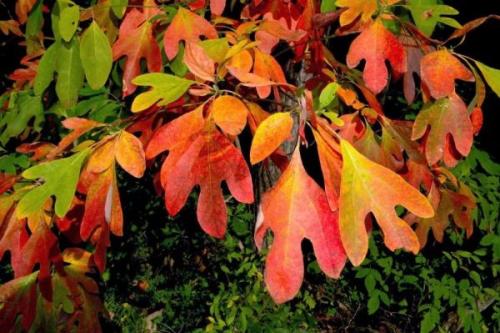
Historical records and development of sassafras essential oil: Sassafras is a deciduous plant that can grow up to 40m tall, with many soft branches, and soft, porous, orange-yellow bark, and small, yellow-green flowers. Both the bark and the trunk are fragrant. In ancient herbal medicine, sassafras was used to treat high blood pressure, arthritis, rheumatism, gout, menstrual problems and kidney problems, and it was also effective for skin diseases. Because sassafras contains a high concentration of safrole, it is a carcinogen. In 1983, the British Herbal Pharmacopoeia stated that sassafras can treat head lice, skin rashes and rheumatic diseases. Sassafras wood and bark can produce a bright yellow dye.
Pros and cons of sassafras furniture
The sapwood of sassafras is light brown or yellow, and the heartwood is chestnut brown or dark brown, with a generous and beautiful grain, strong luster, and a slight fragrance, giving it high ornamental value. Its hard material, high density and strong compression resistance are a major advantage for use in making furniture. In addition, sassafras furniture is also resistant to water and moisture, highly resistant to rot, and relatively resistant to termites, which is another major advantage of sassafras furniture; these advantages can make sassafras furniture last longer. The weight, hardness, shrinkage, strength and toughness of sassafras are all moderate, and it is relatively easy to process by sawing and planing, and after drying it neither warps nor cracks. It is mostly used for classical furniture such as antique display shelves, but it is not suitable as furniture that comes into close contact with people, such as beds, desks and dining tables.