The history of geranium essential oil, and the uses of geranium essential oil
Historical records of geranium essential oiland its development and changes
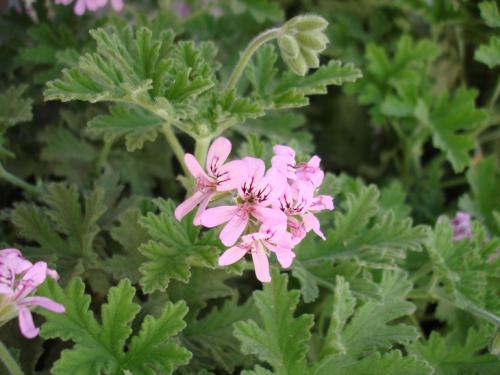
There are more than 200 species of geranium, along with many hybrid varieties, most of them originating from South Africa, but not many varieties are used for essential oil. There are few historical documents about geranium, because it was only introduced to Europe at the end of the 17th century, where it became a very popular garden plant. In 1819, the French chemist Recluz distilled geranium for the first time, and from then on it became an important perfume ingredient and was often used as a substitute for rose essential oil. The well-known Italian essential oil researcher Professor Rovesti used it to treat symptoms of anxiety.
(1) The sweet floral note of geranium can relax and calm people, and when used in aromatherapy it can create an atmosphere of love and harmony, so for wedding anniversaries, dates or gatherings with friends, you can use geranium essential oil in aromatherapy, and the effect is quite good, and it is also convenient and simple.
(2) When we usually wash our hair, after rinsing the hair clean we can add 2 to 3 drops of geranium essential oil to a basin of warm water, and soak the hair in the water with the essential oil added; this both cares for the hair and can make the hair give off a faint fragrance for several days, increasing your feminine charm. Of course, it can also be added directly to shampoo.
(3) Geranium essential oil is also very suitable for skin care; its fragrance is fresh and it also has astringent and antibacterial effects, and it can balance the secretion of sebaceous glands. Both dry and combination skin are very suitable for geranium essential oil, and the fresh fragrance of geranium and the properties it possesses make it a major additive in skin care products.
(4) Geranium essential oil is also an indispensable essential oil for people in middle age. Geranium is suitable for all skin types and can promote body fluid circulation, restoring a rosy and lively look to pale skin, so when age increases and the skin finds it hard to maintain a radiant glow, geranium can be used to add a rosy luster to the skin.
(5) Like all flower essential oils, geranium has very good antibacterial and antidepressant abilities; in addition, it also has astringent and hemostatic effects, so it is suitable for treating wounds and helping wounds heal.
(6) Geranium can effectively kill bacteria in the mouth and throat, so it can be added to gargles and mouthwashes used for sore throat, throat inflammation and gingivitis infection, but it may be hard to "taste", so myrrh or thyme is generally used, as they have a somewhat better mouthfeel.
(7) Geranium essential oil is especially suitable for relieving premenstrual tension, and its diuretic function can help many women reduce symptoms of premenstrual fluid retention.
(8) Geranium also has the function of stimulating the lymphatic system, and with this property plus its diuretic function, geranium essential oil can be used in massage to treat symptoms of cellulite and ankle swelling. These two functions can mutually enhance each other and coordinate the body to quickly and effectively eliminate excess body fluid; in fact, geranium essential oil has the function of regulating the liver and kidneys, so it can be used not only when ill, but also in daily use to help us excrete.
(9) After middle age, there are inevitably concerns about the breasts becoming sagging, and geranium is also a main ingredient in breast massage oil.
(10) The various physiological symptoms that come with menopause, such as: hot flashes, night sweats and low mood, can also be improved by using geranium. The hormones secreted by the adrenal cortex are very important regulatory factors, and can regulate and balance the hormones secreted by other organs, including male and female hormones. Therefore, the symptoms that appear after menopause and the problems caused by various changes in hormone concentrations can all be solved with geranium essential oil, which can balance hormone secretion.
(11) Geranium has an antidepressant function, so people who do not like the strong smell of bergamot can switch to geranium essential oil. When feeling that work is heavy, pressure is too great, and emotions rise and fall unpredictably, geranium has a very good balancing and coordinating effect; it can change a person's extreme attitudes, and for those who pursue perfection and are engrossed in work, geranium is the best help.