The Historical Origins of Caraway Essential Oil and How Its Benefits Differ from Those of Fennel
The historical record of caraway essential oil and its development: Caraway is sometimes also called "meadow fennel"; it is a very ancient spice that has been used by people since the Stone Age. The Egyptians liked to use caraway to season food, and traces of caraway can also be found in their tombs. The Romans used it to make bread, and it was served as the last course, possibly because of its effect of relieving flatulence.
Caraway is also very well known in the Arab world, and its English common name Caraway evolved from the Arabic word Karawya. It has a reputation for strengthening eyesight and can also make the breath fragrant, and it can be used to keep a lover. The Indians used it to make soap. Throughout the Middle Ages its fame never declined, and it was especially favored in German cuisine and Austrian cuisine. It can also be used to brew Kummel, which is a famous product of the eastern Baltic coast. And it was Queen Victoria's consort Prince Albert who introduced it to England.
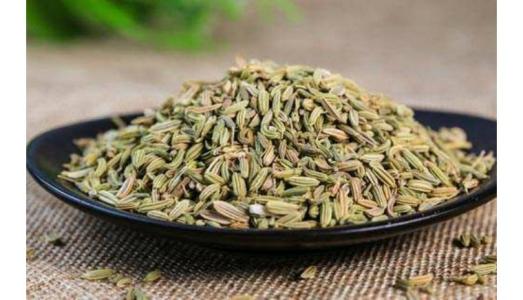
Differences between the functions of caraway and fennel:
Caraway
The place of origin of caraway is Asia Minor, and its essential oil has a sweet yet pungent odor, somewhat like pepper. It has antibacterial, antispasmodic, appetite-stimulating, astringent, heart-supporting, flatulence-relieving, digestion-promoting, disinfecting, diuretic, emmenagogue, expectorant, galactagogue, antiparasitic, stimulating, and vermifuge effects.
Its effect on the stomach is similar to that of anise and fennel essential oil, so it will not be repeated here. When applied to the skin, it can effectively promote tissue regeneration and is especially suitable for oily skin types. It can disperse blood stasis, treat ringworm, and cleanse infected wounds. Caraway was once even used to improve pale complexion.
Fennel
Fennel is native to the Mediterranean region, and its essential oil is very pungent, with a strong anise-like odor. Fennel essential oil has a long history of use, and because of its precious value, even the Pharisees and the people of medieval England once used fennel as currency.
Fennel essential oil is very warming, can clear toxins from the body, helps relieve muscle soreness, and treats conditions such as arthritis. Of course, it also has the stomach-soothing effect of fennel and can effectively help the digestive system.