Historical Records of Sandalwood Essential Oil: Is Sandalwood Essential Oil Really Harmful?
Sandalwood has a long history; this tree is mentioned in ancient Sanskrit classics and in Chinese texts. Sandalwood essential oil has long been used in religious ceremonies, and many statues of deities and temples are carved from sandalwood. The ancient Egyptians imported sandalwood for medicinal use, preservation, or burning in religious ceremonies to honor the gods, and also for carving works of art. Ayurveda, the comprehensive medical system of ancient India, states that sandalwood has tonic, astringent, and fever-reducing properties.
Historical Records of Sandalwood Essential Oil, let us learn about them together. Let you understand sandalwood, is it true that sandalwood essential oil really harms people? Let us learn about that together too.
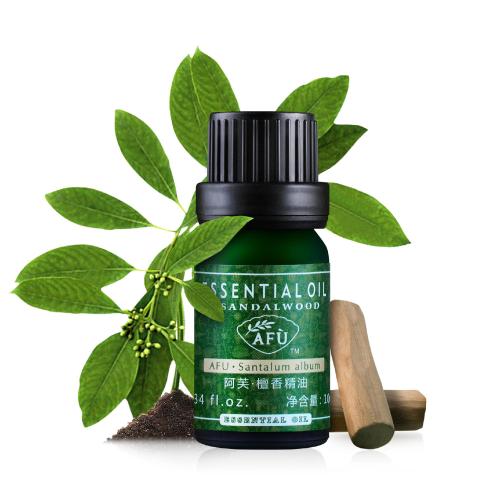
Why is it said that sandalwood essential oil really harms people? When sandalwood is used in a room for a long time, it produces a lot of fine dust, which enters the body with a person's breathing; over time it will affect the body, and may even have serious consequences for the human system, so it is recommended to use it less. Used appropriately, sandalwood has the effect of relaxing the brain and relieving stress. Research has found that burning incense is associated with a statistically significant increase in the risk of developing upper respiratory tract cancer. Even too much oxygen is harmful to the human body, let alone sandalwood.
Sandalwood is bad for pregnant women; on incense essential oils there are words saying pregnant women should not use it. Many pregnant women now do not use incense such as sandalwood. The Egyptians used sandalwood to preserve corpses. It is also a famous prescription for treating gonorrhea. It is often used in perfumes; sandalwood has an excellent relaxing effect and can soothe nervous tension and anxiety, but its sedative effect is greater than its invigorating one. It is highly praised for use in improving obsessive states. It is used to soothe the dead, bringing a peaceful, calm feeling.