What are the historical records of camphor essential oil and the benefits of boiling camphor wood in water?
When it comes to camphor, people may only remember its pungent smell, but camphor was once one of the spices that people kept rushing to buy. So what kind of history did it have? Let us take a look together.
This spice has two main places of origin. "Chinese camphor" or "Japanese camphor" comes from the same kind of camphor tree, and their quality is relatively poorer; even in its place of origin in China, its price is far below that of "Baros camphor" or "Borneo camphor," which is produced from a kind of camphor tree in Borneo and Sumatra.
In the 12th century, a Chinese writer considered the collection of camphor to be seasonal collective labor. He said, "When the people of Borneo enter the mountains to collect camphor, there are often dozens of them, wearing clothes made of tree bark and carrying enough sago." The 14th-century Arab writer Dimashki quoted the Egyptian bookseller Ahmad, giving an even more vivid description: after cutting openings in the trees, people had to quickly throw away their axes and run away desperately, for fear that the camphor liquid would splash onto their faces and cause fatal injury. Some people believed that venomous snakes often appeared around the trees, and that only during a very short period each year could people approach these trees, namely during the snakes' mating season; after mating, the snakes would go to the sea to cool off. Even in China, which was rich in camphor, Baros camphor was an earlier-imported and expensive spice, usually called "borneol spice." In the 12th century it was not only a major product of Sumatra, but also a major product of the northern coast of Borneo (that is, the area commonly known as Sarawak). In Chinese medicine, camphor could be used to treat eye diseases and symptoms such as stroke in various parts of the body; Indians used it to counteract poison; and to the Romans it was a superior material for making ointments. Many traditional pharmacopoeias regarded camphor as "greatly cold," which is why we see that some religious temples have ginger juice springs and camphor springs.
People almost never used camphor as a spice, but rather in a kind of "clear breeze soup." Rice, milk, and camphor were mixed into a white dairy product, chilled, and served in the hot summer to a young Chinese emperor, Emperor Jingzong of Tang, to eat. People chose camphor not only because of its color, but even more because of its heat-clearing effect. Many people, like the Chinese imperial chefs, believed that camphor had this property. Camphor could also call to mind many other interesting things. Emperor Jingzong, who liked camphor, came up with a shooting game: using paper darts coated with the fragrance of musk and camphor to throw at his concubines. To many other people, camphor had an intoxicating fragrance. Jingzong's predecessor, Emperor Xuanzong of Tang, once gave his favorite Consort Yang ten amulets made of camphor, actually a kind of gift exclusive to the royal family, but she gave several of them to her lover. Baros camphor is still an extremely expensive spice today, and is only sold on the Chinese market. Chinese camphor, however, is mostly used by Westerners, not as a food additive, but for medicine and making spices. Today camphor trees grow in India, Madagascar, Argentina, California, and many other places, and people have also begun to manufacture synthetic camphor.
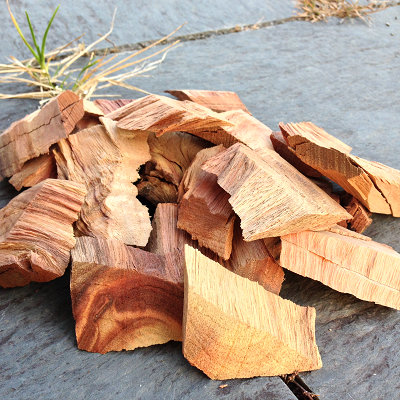
What are the benefits of boiling camphor wood in water
1. Refreshes the mind: The aromatic substances contained in camphor wood have a rich fragrance, which can refresh the mind and also dispel foulness and resolve turbidity.
2. Disperses blood stasis and relieves pain: Camphor wood contains a large amount of natural aromatic substances, which can disperse cold and relieve pain and also resolve stasis and reduce swelling.
3. Eliminates bacteria and reduces inflammation: Camphor wood contains natural camphor, a substance with strong irritancy, and it has a clear eliminating and inhibiting effect on many kinds of inflammation and pathogenic bacteria in the human body; the boiled water can be used directly for bathing.