How to Make Sassafras Essential Oil and a Comparison of the Characteristics of Sassafras and Chinese Fir
What is the manufacturing method for sassafras essential oil, and how is it done? Let's take a look at how sassafras and Chinese fir compare in their characteristics.
Steam distillation, which among all methods of making essential oils was the earliest to be applied to making essential oils and is also the most common and widespread one.
This manufacturing method first involves taking the various plant parts confirmed for use in making the oil, collecting the dried shredded root bark properly, washing it clean, drying it slightly, and then placing it into the container of a distiller.
After the plant material is placed in the container, water or steam is used to heat it beneath the distiller, so that the water vapor in these plants, whether in the flowers, leaves or trunks, is thereby completely released, and the plant's concentrated essential oil liquid is left in the distiller.
But this is not yet the essential oil, of course; the water and oil in the concentrated liquid must still be separated, and the oily part obtained after separation is the plant's essential oil, which then undergoes simple processing and is made into tins, and that is the essential oil we buy on the market.
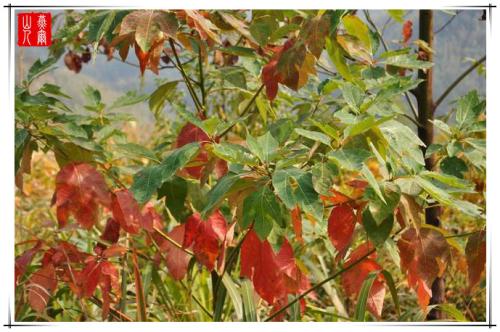
Comparison of Sassafras and Chinese Fir
Sassafras prefers warmth and humidity with abundant rainfall, with an annual average temperature of 12-20°C; afforestation sites are generally below an altitude of 800 m, on sunny slopes. It is suitable for growing on acidic soil that is deep, well aerated and well drained. The wood of this sassafras species is light yellow, of fine quality, fine-grained and durable, and is used for shipbuilding, waterwheels and fine furniture; the roots and bark are used as medicine, with the functions of promoting blood circulation and dispersing stasis, dispelling wind and removing dampness, and treating sprains and contusions and lumbar muscle strain; the fruit, leaves and roots also contain aromatic oil, with the roots containing more than 1% oil, and the main component of the oil is safrole.
Chinese fir has greater cold tolerance than drought tolerance, and the influence of water and moisture conditions is greater than that of temperature conditions. It is afraid of saline and alkaline conditions, and has higher soil requirements than general tree species, preferring fertile, deep, moist, well-drained acidic soil. It has a shallow root system, with no obvious taproot, well-developed lateral roots and fibrous roots, strong regenerative capacity, but weak penetrating power. It can mainly be used to dispel wind and relieve pain, and to disperse stasis and stop bleeding. As well as for construction, bridges, shipbuilding, mine props, furniture and so on.