A Detailed Guide to Making and Using Melissa (Lemon Balm) Essential Oil
The production process and technical key points in the manufacture and processing of melissa essential oil; distillation method : This method involves placing fresh or dried aromatic plant material into a still, then introducing steam to dissolve out the plant essential oil; after collecting these essential oils, pure essential oil is obtained.
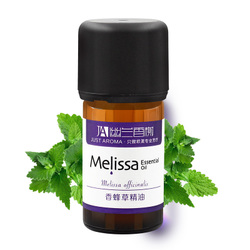
How to use melissa essential oil
1. Improving the skin: massage, suitable for oily acne-prone skin, heals wounds, prevents eczema, and helps with scalp oiliness and hair loss or balding. Sweet almond oil 20 ml + melissa 3 drops + cedar 3 drops + juniper berry 4 drops
2. Women's care: gently regulates menstruation, regulates the ovulation cycle, and improves infertility and irregular menstruation. Carrier oil 20 ml + melissa 4 drops + geranium 4 drops + basil 2 drops
3. Circulatory system: soothes shortness of breath, rapid heartbeat and palpitations, and is especially good for lowering blood pressure and stopping spasms. Melissa 3 drops + ylang-ylang 3 drops + clary sage 2 drops
4. Digestive system: massage, it is a nourishing essential oil, very effective for soothing the digestive tract, helping digestion and relieving gas. Sweet almond oil 20 ml + melissa 4 drops + peppermint 3 drops + cardamom 3 drops
5. Respiratory system: steam inhalation, effective for bronchitis and labored breathing caused by influenza, and can also treat asthma and soothe respiratory spasms. Melissa 2 drops + eucalyptus 2 drops + ginger 1 drop
6. Nervous system: aromatherapy, can prevent dizziness, fainting and depression. Melissa 3 drops + vetiver 3 drops + Roman chamomile 2 drops
7. Lifting the mood: aromatherapy, melissa 3 drops + sweet orange 3 drops + frankincense 2 drops
8. Facial compress: add melissa essential oil to a washbasin, use a wrung-out towel to apply it to the face, and inhale the aroma; this can improve headaches and migraines caused by colds and insomnia.