How to Make Tarragon Essential Oil and a Detailed Guide to the Benefits of Tarragon
Making tarragon essential oil. There are several ways to make essential oil; the most commonly used are distillation, the solvent method, enfleurage, and expression.
Distillation: Of all the methods for making essential oil, distillation was the earliest to be used for producing essential oil and is also the most widespread and common. In this method, the various plant parts that are to be used for making it are first identified, such as the fruit of black pepper, the peel of lemon, or the flowers of mint; these plant sources are gathered properly, washed clean, dried slightly, and then placed into the container of a still. After the plants are placed in the container, water or steam is heated beneath the still, so that the steam from these plants, whether from flowers, leaves, or trunks, is fully released, and the plant's concentrated essential oil liquid is left in the still. But this is not yet essential oil; the water and oil in the concentrate must still be separated, and the oily portion obtained after separation is the plant's essential oil. After simple processing and canning, it becomes the essential oil we buy on the market.
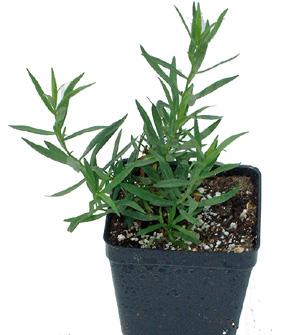
Benefits of Tarragon