Lemongrass Essential Oil Processing Flow and the Difference Between Vanilla and Lemongrass
Do you know what the process flow and technical key points are in the production and processing of lemongrass essential oil? Do you know the difference between vanilla and lemongrass? Let's take a look together.
1. A method for extracting essential oil from lemongrass, characterized in that it is prepared according to the following steps:
Step 1: Wash the lemongrass, air-dry it, and crush it to below 100 mesh;
Step 2: Repeatedly pour ether liquid butane solvent over the pre-extracted crushed lemongrass, then place it into a distiller for distillation treatment to obtain steam containing lemongrass essential oil;
Step 3: Send the steam that has passed through the adsorbent into a cooling tower for cooling;
Step 4: After the steam cools into liquid, send the condensate into an oil-water separation tower to separate out the lemongrass essential oil.
2. The method for extracting essential oil from lemongrass as claimed in claim 1, characterized in that: in step 1, the lemongrass is crushed to 80 mesh.
3. The method for extracting essential oil from lemongrass as claimed in claim 1, characterized in that: in step 2, the pressure of the distiller is 5-10Mpa, the distillation time is 8-12 hours, and the distillation temperature is 70-75 degrees.
4. The method for extracting essential oil from lemongrass as claimed in claim 1, characterized in that: in step 3, the weight ratio of adsorbent to lemongrass particles is: 2-7 parts adsorbent, 150 parts lemongrass particles.
5. The method for extracting essential oil from lemongrass as claimed in claim 1, characterized in that: in step 5, the temperature of oil-water separation is 40-45 degrees.
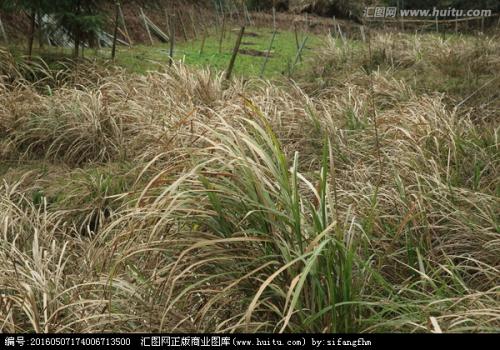
The difference between vanilla and lemongrass: lemongrass is a variety of vanilla.
Vanilla, most varieties of which are annual or perennial herbaceous plants native to the Mediterranean region, has stems and leaves that are the main source of aroma. As long as there are a few such plants, they will continuously release their unique fragrance, making people feel refreshed. Therefore, some people call it a "natural perfume bottle" in the room.
Lemongrass, also known as lemon grass, has the fragrance of lemon in its stems and leaves, with citral as its main component. Fresh or dried lemon lemongrass both have a pleasant lemon fragrance and can replace lemon for lemon water uses. Brewing it with hot water as an herbal tea or medicinal herb tea is also very tasty. The tender stem sections at the base are suitable as a flavoring added to dishes such as fish and meat soups, and it can be used in tea and seasonings as well as for food and medicinal uses.