Caraway is the name of a traditional Chinese medicine. This product is the fruit of a plant in the Apiaceae family. Its functions and indications are: 1. "Common Tibetan Chinese Herbal Medicines": aromatic and stomach-strengthening, dispelling wind and regulating qi to treat stomach pain, abdominal pain, and inguinal hernia. 2. "Plateau Chinese Herbal Medicine Treatment Manual": dispelling wind and dispelling cold, strengthening the spleen and opening the appetite. Treats cold-stagnation low back pain and stomach cold with vomiting.
Caraway essential oil benefits: antibacterial, antispasmodic, appetite-stimulating, astringent, heart-tonifying, carminative, blood-purifying, digestive, disinfecting, diuretic, emmenagogue, expectorant, galactagogue, parasiticide, stimulating, vermifuge.
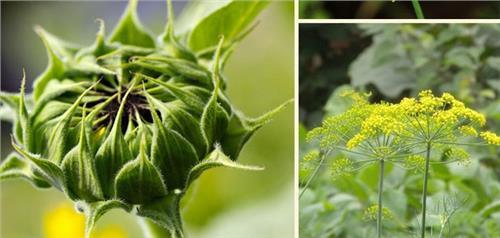
1. Antiasthmatic effect. Artemisia seed oil or caraway oil mainly contains d-carvone, which has an antiasthmatic effect (guinea pig histamine method); it has an antitussive effect in mice (ammonia water method), but it is ineffective against cough caused by electrical stimulation of the cat's superior laryngeal nerve, so it has no effect on the cough center.
2. Antibacterial effect. Caraway oil has no antibacterial effect in vitro, but it has also been reported that carvone has an antibacterial effect on Staphylococcus aureus and Escherichia coli in vitro; it also has some antifungal effects, and at high concentrations (1:1000 and above) can kill Fasciola hepatica.
3. Effects on the gastrointestinal tract. Caraway oil has stomach-strengthening and carminative effects, and oral carvone has an excitatory effect on rabbit small intestine.
4. Other effects. Oral administration of carvone to rats can increase the excretion of vitamin C in urine, which is due to increased generation of vitamin C in the liver (carvone is not a precursor of vitamin C). When carvone is given alone, there is no significant effect on the excretion of glucuronic acid in rat urine; if a glucuronic acid preparation is also injected intraperitoneally, then glucuronic acid and vitamin C in urine are significantly increased compared with the control group, so carvone may promote the formation of vitamin C from glucose in the liver. Vitamin C has a certain relationship with the generation of prothrombin in the liver, and long-term administration of carvone to rats can counteract bleeding caused by coumarins. In addition, gavage of seed extract to rabbits has a diuretic effect, and the excretion of chloride in urine increases, while morphine can counteract this diuresis; a phytohemagglutinin was also once extracted from fresh seeds, acting only on human red blood cells; it has no effect on those of cattle or sheep. Carvone also has some choleretic effects; oral administration of 0.1-0.2 ml/kg to rabbits has no effect on the electrocardiogram.
Caraway benefits and effects: dispelling wind and dispelling cold, strengthening the spleen and opening the appetite.
Caraway indications: treats abdominal pain, inguinal hernia, cold-stagnation low back pain, and stomach cold with vomiting.