What are the benefits of lemongrass essential oil? A detailed look at the difference between lemongrass and cogongrass
What benefits does lemongrass essential oil have? Did you know? What are the differences between lemongrass and cogongrass? If you want to know, let us take a look together.
What benefits does lemongrass essential oil have:
Respiratory system
Strengthens the immune function of the respiratory tract, has an antiviral effect, a diaphoretic or antipyretic effect, and an expectorant effect;
Circulatory system
Speeds up blood and lymphatic circulation, lowers blood pressure.
Skin system
Bactericidal effect, anti-inflammatory effect, healing effect, deodorizing effect, sedative effect, insect-repellent effect, softens and refines the skin;
Immune system
Antibacterial and antibiotic effect, antiviral effect, cell defense effect, detoxifying effect, antifungal effect, insect-repellent effect;
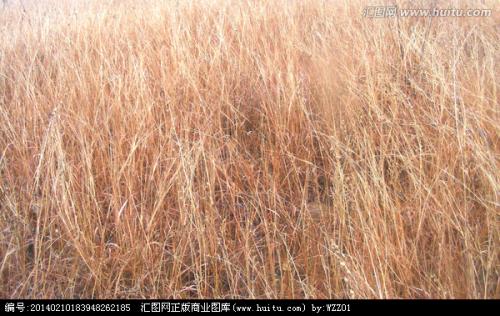
The difference between lemongrass and cogongrass
Cogongrass rhizome, a traditional Chinese medicine name, is the rhizome of the grass family plant cogongrass. Cogongrass is a perennial herb that grows on sunny dry grassland beside roads or on hillsides, and is distributed in Northeast China, East China, Central South China, Southwest China, as well as Shaanxi, Gansu and other places. It is dug in spring and autumn, the above-ground parts and scaly leaf sheaths are removed, it is washed clean, and used fresh or tied in bundles and dried in the sun. The rhizome of cogongrass rhizome is long and cylindrical, 2 to 4 mm in diameter. The surface is yellow-white or pale yellow, with longitudinal wrinkles, obvious nodes, and internodes 1 to 3 cm long. It is light in weight, tough in texture, and the broken surface is fibrous, yellow-white, mostly with radial fissures, and sometimes a small hole can be seen in the center. The odor is faint, and the taste is slightly sweet. Those with thick strips, white color and sweet taste are considered better. According to different processing methods, it is divided into cogongrass rhizome and charred cogongrass rhizome; after processing it is stored in a dry container and placed in a cool, dry place.
Collapsible treatment of acute infectious hepatitis: use 2 liang of cogongrass rhizome (dried product), decoct in water, and take it in two divided doses daily. 28 cases were treated, and the results were clinical cure (main symptoms and signs disappearing within 45 days, liver function returning to normal) in 21 cases, and improvement (clinical symptoms improving, the values of various liver function tests decreasing by more than half within 45 days, or completely returning to normal after 45 days) in 7 cases. After treatment, the main symptoms mostly disappeared within 10 days, and hepatosplenomegaly disappeared in about 20 days; after 45 days, alanine aminotransferase dropped to normal in 80% of patients, and the jaundice index returned completely to normal in an average of 20.15 days. No side effects were seen.
Cogongrass root contains a large amount of sucrose and glucose, a small amount of fructose, xylose, citric acid, oxalic acid, malic acid, etc., and also contains 21% starch. Its effects are cooling the blood, stopping bleeding, clearing heat, and promoting urination. It treats febrile disease with restlessness and thirst, vomiting blood, epistaxis, lung heat with rapid breathing, stomach heat with hiccups, gonorrhea, difficult urination, edema, and jaundice. The rhizome is densely covered with scales. The dried rhizome is slender and cylindrical, sometimes branched, of varying lengths, usually 30~60 cm long, about 1.5 mm in diameter, with a milky white or yellow-white surface, and pale brownish-yellow, slightly raised nodes about 3 cm apart. It is light and tough, and not easy to break. The cross-section is fibrous, the center is yellow-white and has a small hole, the outer ring is white and solid, or has countless gaps like a wheel, and the outer ring and the center separate very easily. The odor is faint, and the taste is slightly sweet. Those that are thick and plump, white in color, free of fibrous roots and sweet in taste are considered better. It is produced in most parts of the country.