What are the effects and benefits of angelica essential oil?
Angelica essential oil has a sweet, herbal aroma, and it is extracted from the seeds or roots of the angelica plant. Angelica essential oil is not a rare essential oil, but it is rarely used. On one hand, this is because it is relatively expensive; on the other hand, its scent is not very pleasant, unlike floral essential oils, which are so appealing. Angelica root contains muskmallow lactone compounds, and if you smell it carefully, you can detect a musky note. Angelica belongs to the genus Angelica.
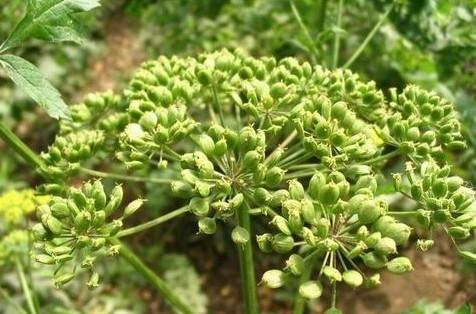
The effects and benefits of angelica essential oil
1. Anti-inflammatory effect
Angelica essential oil has anti-inflammatory properties, helps with various skin problems, and has an outstanding ability to fight mold and fungal parasitic problems.
2. Stress-relieving effect
Angelica essential oil is a stimulant for the nervous system, quickly dispelling feelings of stress and exhaustion and bringing a sense of balance.
3. Body-healing effect
Angelica essential oil has tonic properties and a strong healing ability for the body. It has multiple benefits, including antispasmodic, aphrodisiac, carminative, diuretic, emmenagogue, expectorant, liver-supporting, stomach-supporting, stimulating, and diaphoretic effects.
4. Body-purifying effect
Angelica's tonic function gives it a strong healing power for the body, especially at the beginning of treatment, when it is used to strengthen tissue structure. It invigorates the lymphatic system and accelerates purification through sweating, and especially after long-term illness, it can help the body release toxins.
5. Digestive aid
It improves indigestion, bloating, nausea and discomfort, gastric ulcers, and colic. It can stimulate the appetite, help with anorexia nervosa, and is traditionally said to be a tonic for the liver and spleen. Its antibacterial function in the urinary tract is quite helpful for cystitis.
In many ancient herbal texts, there are numerous records of the healing effects of angelica root. In the Middle Ages, angelica was often used in medicines to prevent infectious diseases, and it was also a main ingredient in treating many illnesses. During the prevalence of the Black Death, everyone faced the threat of death and even lost their lives. Physicians at the time carried angelica root with them to treat patients and also to protect themselves: when visiting patients, they usually wrapped themselves tightly in monastic robes, hung angelica root tied with a cord around their necks, hid it under their coats, and could chew a bite at any time to prevent infection.