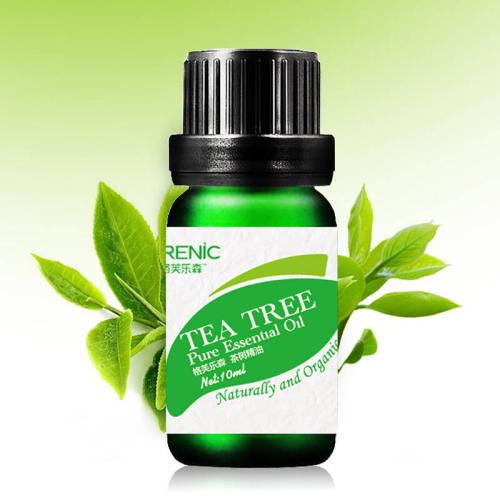
What are the methods for identifying tea tree essential oil?
Because there are many plant species of Melaleuca, inferior oils mixed with other essential oils often appear, and even pure tea tree essential oil, due to differences in origin, growing environment, extraction method, packaging, etc., will all affect the composition and quality of tea tree essential oil.
How to identify tea tree essential oil
(1) Botanical name and composition: The same plant has different names in different regions, and only by determining the Latin scientific name can you ensure that the essential oil you buy comes from the same variety. When purchasing, please pay attention to the complete Latin scientific name of tea tree essential oil (Melaleuca alternifolia), and at the same time confirm whether its composition is oil of Melaleuca alternifolia.
(2) Odor: Smell is the simplest and most effective way to identify tea tree essential oil. First, the smell of tea tree essential oil should not be simply cool and sharp; it should have a layered aroma with a fresh, sweet, slightly pungent woody note. This method can help you avoid buying products sold as tea tree essential oil that are actually other varieties of essential oil (similar to eucalyptus odor); their cineole is very high, making the whole odor cool and sharp.
(3) Content of main components: Generally, merchants do not provide component content indicators, and ordinary consumers cannot easily identify them. The two components that determine the quality of tea tree essential oil are terpinen-4-ol and cineole. According to the internationally accepted cosmetic-grade standard for tea tree essential oil: terpinen-4-ol>39% ; cineole<3.5%.