How to identify peppermint essential oil? A detailed explanation of the benefits of drinking water infused with mint leaves
Peppermint essential oil can be tested using the following identification methods; so what are the benefits of mint leaves, and what are the effects of drinking water infused with mint leaves?
How to identify peppermint essential oil:
Scent: The scent of pure natural essential oil should be very aromatic and rich. By contrast, artificially synthesized fragrances are not delicate enough.
Quality: The purer the quality of the essential oil, the stronger its penetration. When buying essential oil, you can lightly rub it on the back of your hand or the inner wrist, then massage in circles with your fingertips a few times. If the essential oil is absorbed instantly and does not leave a shiny oily residue on the skin, it indicates that it is a good quality essential oil.
Packaging labeling: Good essential oil should have clear and accurate printed text, and all kinds of information related to the essential oil will be listed in detail. Moreover, the containers holding essential oils are generally small in capacity, such as 5 ml, 10 ml, 15 ml, 30 ml, etc. Among them, essential oils packaged in dark glass bottles have more reliable quality, while those packaged in bottles made of plastic chemical materials can be completely excluded from consideration when purchasing.
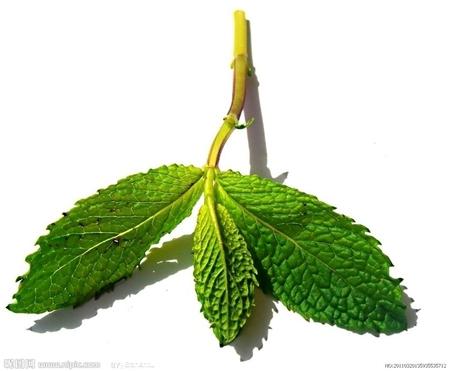
Effects of drinking water infused with mint leaves
1. Anti-inflammatory and antibacterial
Mint has desensitizing, anti-inflammatory and antibacterial effects on insect bites on the skin, and also has obvious cough-relieving, anti-inflammatory and antibacterial effects on upper respiratory tract infections. It has swelling-reducing, pain-relieving, anti-inflammatory and antibacterial effects on hemorrhoids and anal fissures. So friends who are favored by mosquitoes may consider buying some anti-itch products to see whether the ingredients contain mint leaves.
2. Stomach-strengthening and wind-dispelling
Mint leaves have a stimulating effect on the oral mucosa, promote saliva flow in the mouth, increase the blood supply to the gastric mucosa, and improve digestive function. They are beneficial for treating indigestion and relieving the feeling of gastric distension and stagnation.
3. Aromatic flavoring
It mainly uses the unique cooling, throat-soothing and pleasantly aromatic scent of mint to mask and improve the discomfort of some medicines that have an unpleasant odor and are difficult to swallow. It not only has medicinal value but also plays a flavoring role in food.
4. A good medicine for treating colds and headaches
Mint is a commonly used traditional Chinese medicine, and it plays a very good role in treating colds, fever, sore throat, headache, eye redness and pain, and other bodily pains.