Lemongrass Essential Oil Identification Methods and Lemongrass Benefits, Effects and Contraindications
Lemongrass essential oil can be tested using the following identification methods. Let's take a look at the benefits, effects and contraindications of lemongrass together.
How to identify lemongrass essential oil:
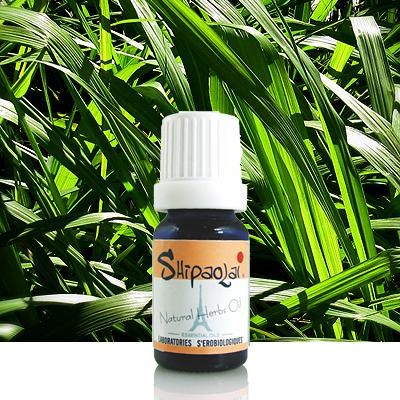
Check the packaging: Essential oils must be bottled in dark glass to guarantee their quality, because light, high heat and moisture will destroy the components of the essential oil. If the essential oil bottle is transparent, plastic, has a wide mouth, or uses a rubber dropper, it can be concluded that this essential oil manufacturer is unprofessional, and buying it is not recommended.
Smell the fragrance: Essential oils contain hundreds of different molecules, and when they act together on the brain, they let us perceive different top notes, middle notes and base notes, with a long-lasting lingering aroma. The scent of pure essential oil is fresh and natural, so we only need to lower our head and smell the bottle opening; good essential oil will not have the pungent smell of chemical fragrance. Essential oil is highly concentrated, with a scent more than 70 times concentrated from the original plant, natural, deep, lasting and multi-layered.
Observe the transparency: Pure essential oil is bottled in glass, so its state can be observed through the glass. If it appears as a clear, transparent liquid without any cloudiness, then it is pure essential oil. Most essential oils are not greasy or oily, but clear and transparent like water. We can drop 1 drop of essential oil on a facial tissue or white paper and observe the state of the oil.
Benefits, effects and contraindications of lemongrass
1. Antibacterial and anti-itch Lemongrass has a very good antibacterial effect; the essential oil components it contains have the effect of inhibiting or killing microorganisms, and inhibit both Gram-positive and Gram-negative bacteria; lemongrass essential oil also has a fungi-killing effect, and the citral it contains has a relatively strong inhibitory activity against fungi, so it can be used to treat hand ringworm and athlete's foot, etc.
2. Dispelling wind and dredging collaterals Lemongrass can dispel wind-dampness, dredge meridians and relieve pain, and can treat conditions such as cold headache, stomach pain, rheumatic arthralgia, and blood stasis from traumatic injuries.
3. Relieving cough and calming asthma Lemongrass has an anti-asthmatic effect; the geraniol it contains can directly relax bronchial smooth muscle and improve the function of pulmonary ventilation. It can also counteract tracheal spasms caused by histamine, acetylcholine and slow-reacting substances, and inhibit the release of slow-reacting substances.
4. Anti-depression Lemongrass is also said to have an anti-depressant effect, which may be related to its citrus aroma; this is also one of the reasons it is a commonly used essential oil for aromatherapy baths.
5. Repelling and killing mosquitoes and insects The smell of lemongrass is disliked by insects and can play a role in dispersing mosquitoes and insects. The smell of lemongrass oil can disperse blood-sucking mosquitoes, ticks, fleas, etc. Lemongrass oil has a relatively strong fumigant effect on houseflies and also shows a certain contact-killing effect.
Contraindications: Generally, anyone can use it. If children and infants use it, the amount must be appropriate and extra care must be taken. Pregnant women must not use it.