How to Tell Good Camphor Essential Oil from Bad? These Are the Effects of Smelling Too Many Mothballs
You can use the following methods to test and identify camphor essential oil, did you know? You might want to take a good look. What happens when you smell too many mothballs? Let's take a look at that too.
How to identify camphor essential oil:
1. Observe the skin's reaction: The purer the essential oil, the stronger its penetration, and the greater its ability to regulate the skin's blood circulation. So before buying, you can apply the essential oil, diluted with a carrier oil, to the back of your hand, then massage it with your fingertips for a few seconds. If the essential oil is absorbed quickly and leaves no trace of oil, then this essential oil is of top quality.
2. Check the container: Essential oils evaporate easily, so they must be kept in dark glass bottles to ensure their purity. The corrosiveness of essential oils also means they must never be put in plastic bottles. So if you find a product with the essential oil in a plastic bottle, never buy it.
3. Smell the fragrance: Pure natural essential oils have a fragrant, pure scent. Artificially synthesized fragrances, however, have a smell mixed with many other scents, so if it smells pungent or unpleasant at first, the essential oil is very likely fake. If it smells pleasant and does not make you dizzy, then it may be genuine.
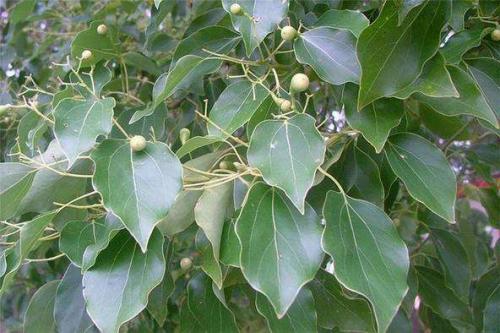
What happens when you smell too many mothballs? Synthetic mothballs all contain naphthalene; most are white, have a pungent odor, and sink in water. Natural mothballs, on the other hand, are smooth, colorless or white crystals with a fresh scent that float on water. Anything containing naphthalene is toxic, and prolonged inhalation is bad for your health.
More than 80% of the mothballs currently on the market contain naphthalene or para-dichlorobenzene to varying degrees, and synthetic mothballs containing naphthalene or para-dichlorobenzene have a pungent smell. Dichlorobenzene is toxic and can cause symptoms of poisoning in the human body, such as fatigue, dizziness, headache, and diarrhea. Mothballs containing para-dichlorobenzene and naphthalene belong to the pesticide category of products and are generally used for protecting industrial or agricultural products from insects. They are not suitable for household items. Extensive practice has proven that benzene-type substances are extremely harmful to human health. Therefore, the World Health Organization has classified them as strong carcinogens. So mothballs should not only be kept away from children; adults should not come into frequent contact with them either.