How to Tell Good Ginseng Essential Oil from Bad? Learn to Judge Essential Oil Quality
How to tell good ginseng essential oil from bad? Let's take a look.
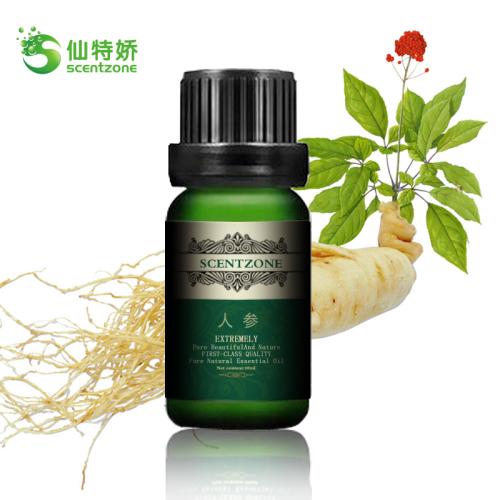
How to tell good ginseng essential oil from bad:
1. The "white paper test" method. Essential oils are all volatile. Place a drop of essential oil on a piece of white paper. If it is pure essential oil, it will slowly evaporate and leave no trace on the white paper (citrus peel oils such as lemon will leave a faint yellow mark), and you can write smoothly on it with a ballpoint pen. Poor-quality essential oil is the opposite.
2. Look at the color. When comparing whether essential oils are high quality, do not simply compare the depth of color; instead, judge the quality of the essential oil according to the different plant characteristics of different essential oils and the different extraction methods. So when choosing essential oils, be sure to observe according to the extraction method of that plant essential oil. First, essential oils obtained by distillation are usually lighter in color than ordinary vegetable oils, and even close to clear. Second, most fruit essential oils produced by pressing have a color closer to ordinary vegetable fats and are generally yellow.