How to Identify Orris Root Essential Oil and the Uses of the Traditional Chinese Medicine Xianggen
How to identify orris root essential oil, and what are the uses of the traditional Chinese medicine Xianggen? Let's take a look together.
How to identify orris root essential oil:
1. Water test
Drop 2-3 drops of essential oil into a clear glass, then add a small amount of water and shake; after a few minutes, if it looks cloudy like mist, it means the essential oil contains alcohol or other diluted substances. If a lighter-colored essential oil with relatively low specific gravity floats on the water surface and forms a very thin ribbon-like, round, or droplet shape, then this essential oil is pure essential oil.
2. Smelling strip test (if unavailable, use white pulp paper instead)
For most floral and herbal essential oils, drop the oil onto the paper and leave it for 1-3 nights; it should completely evaporate. If after three days there is still an obvious oily stain on the paper, then this oil has definitely been diluted with a carrier oil. Highly viscous woody and fruit essential oils, such as cedarwood, patchouli, and vetiver, will leave traces, and citrus essential oils produced by cold pressing will also leave traces (residue that was not filtered out after cold pressing).
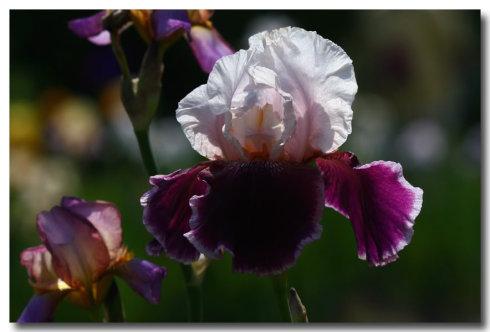
Uses of the traditional Chinese medicine Xianggen
1. Maoli root can enhance flavor and freshness
Maoxiang root is most common in Northern Europe, where people like to scatter it in front of church doors. When people enter and exit the church, they step on it, and a sweet fragrance is released, making people feel especially comfortable. In addition, citronella root can also be used as a main raw material for processing candies, cigarettes, and some soft drinks. After adding it, the products produced will have an appealing aroma, making them sell better in the market.
2. Medicinal effects of Maoxiang root
Maoxiang root can also be used as medicine and is an excellent traditional Chinese medicinal material. It contains a large amount of coumarin compounds and can cool the blood, stop bleeding, and promote urination. After being used as medicine, it is mostly used to treat common diseases such as hematemesis, hematuria, nephritis edema, and heat strangury. For treatment, it is mainly taken as a decoction, with the dosage mostly between 30 and 60 grams.