A Detailed Guide to Mint Planting Methods and Care Tips
Mint, commonly known as "yindancao", is a plant of the Lamiaceae family, namely the dried whole herb of the same genus and related species. It mostly grows in mountain wetlands and by rivers, with rhizomes creeping underground, mostly at an altitude of 2100 m, but it can also grow at an altitude of 3500 m. It is an aromatic crop with special economic value. The whole plant is fresh and aromatic. The leaves are opposite, and the flowers are small, pale purple, and labiate; after flowering, it produces small dark purple-brown seeds.
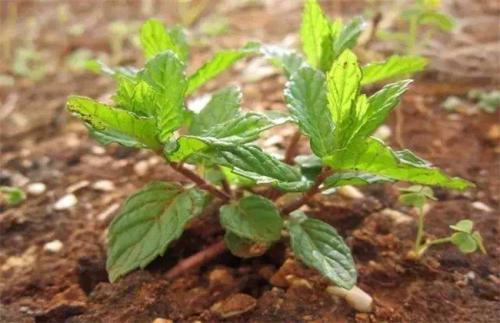
Methods for planting mint
1. Choose relatively thick mint branches, keep 2-3 pairs of leaves, and cut them off with scissors.
2. Put the cut mint branches into a glass bottle filled with water and place it in a sunny spot (do not expose it to strong direct sun). After about a week, the part in the water will grow roots.
3. Use a tool to make a hole about 2 cm deep in moist soil. Then plant the rooted mint into the hole and cover it well; after about a week, new leaves will grow.
4. Watering and topdressing: when the leaves turn yellow in dry conditions, water frequently and regularly water the leaves. Apply liquid fertilizer once every 2 weeks. Also control the nitrogen content.
5. Pinching: to ensure the growth of axillary buds, remove the top of the central stem.
6. Harvesting: after the flowering period ends, the leaves become hard, so harvest the leaves before flowering. If only the leaves are used, the flowers can be removed in advance.
7. Pruning and topdressing: even if you do not harvest, prune the parts that grow too quickly to maintain a healthy shape. After heavy harvesting or pruning, apply chemical fertilizer around the base of the plant.
8. Division: every 1-2 years, dig out the plant and divide the old roots to help the new plants grow.
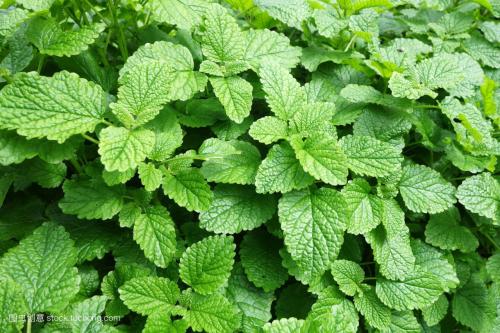
Tips for growing mint
Mint needs plenty of sunlight. If you grow mint, be sure to place it in a sunny spot. Do not worry about the strong summer sun. If there is not enough sunlight, mint tends to grow leggy, the leaves do not grow large, and the plant becomes especially weak and spindly. A whole pot may gradually become smaller and smaller.
Mint likes water, and moisture has a relatively large effect on the growth of mint. It is recommended to water once every 2~3 days. For the soil used to grow mint, it is generally best to choose fertile, well-aerated sandy soil. Because mint grows quickly, to avoid affecting its ornamental value, it should be pruned once a month. The growth of mint requires sufficient sunlight. Without sufficient sunlight, the mint leaves will turn yellow and wither.
Effects and functions of mint leaves