Camphor Tree Planting Methods and Key Technical Points
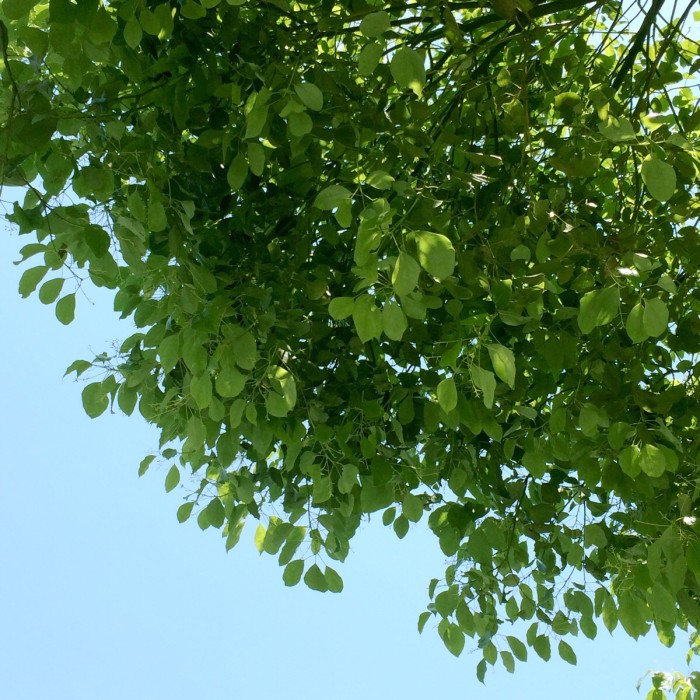
Camphor (Cinnamomum camphora) is an economic evergreen tree species native to China. It likes light and tolerates slight shade; it prefers a warm, humid climate and is not very cold-hardy. It is not demanding about soil, is relatively tolerant of waterlogging, but not of drought, poor barren soil or saline-alkaline soil, and prefers moist, fertile, deep, slightly acidic soil. Its main root is well developed and deep-reaching, so it can resist wind. It sprouts readily and tolerates pruning. Its growth rate is moderate, and its crown is huge and umbrella-like, providing shade and coolness. It lives a long time and can grow into a towering ancient tree hundreds or even thousands of years old. It has a strong ability to absorb smoke and detain dust, conserve water, fix soil and prevent sand movement, and beautify the environment. In addition, it is resistant to sea-tide winds, smoke and dust, and toxic gases, and can absorb many kinds of toxic gases, making it relatively adaptable to urban environments.
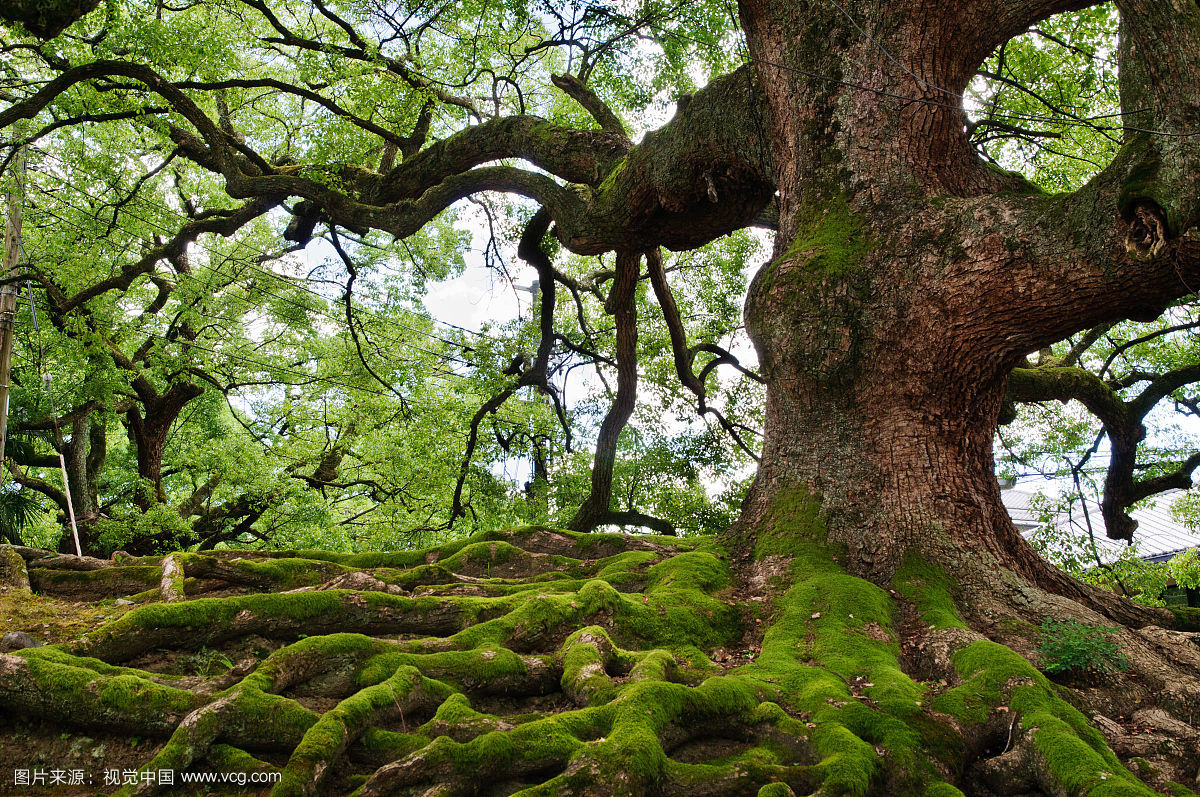
Planting methods for camphor trees:
The fruit falls off on its own when ripe, and birds peck at it. Use seed propagation, sowing as soon as collected. Each kilogram contains 7,200-8,000 seeds, with a germination rate of 70-80%, and the sowing rate is 10-15 kg per mu. Afforestation by planting can also be done, and it can also be regenerated by sprouting. It suffers from pests and diseases such as powdery mildew, black spot, camphor leaf wasp, camphor shoot leaf-roller moth, camphor nest borer, and camphor longhorn beetle.
Planting and cultivation
1. Planting time
Generally from mid-March to mid-April, plant before the spring buds are about to sprout. Replanting can be done during the plum rain season. Autumn is best in September. In places with few winter frosts or more rainfall, winter planting is also possible. Planting should be timely, that is, pruned camphor saplings should be planted immediately. If the transport distance is relatively long, the root ball should be wrapped with wet grass, plastic film, etc. to keep it moist. The best planting time is before 11 a.m. or after 4 p.m., while in winter it is enough to avoid the coldest days.
2. Planting
The planting hole should be dug according to general technical regulations. The depth, length and width of the hole should all reach 50-60 cm. Base fertilizer should be applied at the bottom of the hole and a fine-soil cushion layer laid down; the planting soil should be loose and fertile. Remove the wrapping from the camphor sapling. The planting depth should be level with the ground and the root collar of the camphor sapling. When planting, the root-protecting soil should be closely connected with the hole soil; if the backfilled soil is not firm or solid, hollows will form. Stand the sapling upright in the planting hole and plant it well, then backfill soil, tamp the soil firmly and continue filling soil up to the top of the hole. Finally, make a water-retaining berm around the sapling.
3. Watering
After the camphor sapling is planted, water it immediately. For camphor saplings with a soil ball, while watering, also use an iron rod or wooden stick to stir the soil around the tree hole so that the water helps fill the soil around the tree hole. When watering, be careful not to damage the soil berm; the soil berm should be filled with water so that the water slowly soaks down into the planting hole. To further increase the survival rate after planting, auxin can be added to the irrigation water to stimulate new root growth. The auxin generally used is naphthaleneacetic acid. First dissolve the powdery naphthaleneacetic acid with a small amount of alcohol, then mix it into clean water to make an irrigation solution with a concentration of 200 ppm, and use it as the first root-setting water for irrigation. Whether camphor trees are planted on cloudy or sunny days, they should be thoroughly watered once with root-setting water in a timely manner. In dry, sun-exposed weather, water thoroughly about every 7 days. 3-4 times in succession is enough.
4. Special technical treatment
During transplanting, in order to maintain the moisture of the trunk of large camphor trees and reduce water transpired from the bark, the trunk should be wrapped and bound with soaked straw rope up to the top of the main trunk; if the branches are relatively large, they should also be wrapped. Next, thickly smear prepared clay mud over the trunk wrapped with straw rope. Afterward, a sprayer can often be used to spray water on the trunk to keep it moist. After large camphor trees are dug up, the broken roots, damaged roots and dead roots should also be pruned, and after pruning the roots should be soaked and wrapped with clay mud; if 0.03% naphthaleneacetic acid auxin is added to the mud, it can promote the growth of new roots after transplanting large camphor trees.
5. Management and care
Because camphor trees are planted in an unsuitable off-season, after they are planted, maintenance management must be strengthened even more. Usually, pay attention to watering, and follow the principle of "do not water if not dry; when watering, water thoroughly"; also frequently spray clean water on the ground and the camphor leaves to increase air humidity and reduce the plant's transpiration.