Purple-Skinned Garlic Cultivation Methods and Key Technical Points
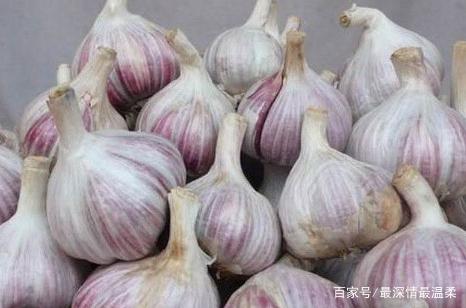
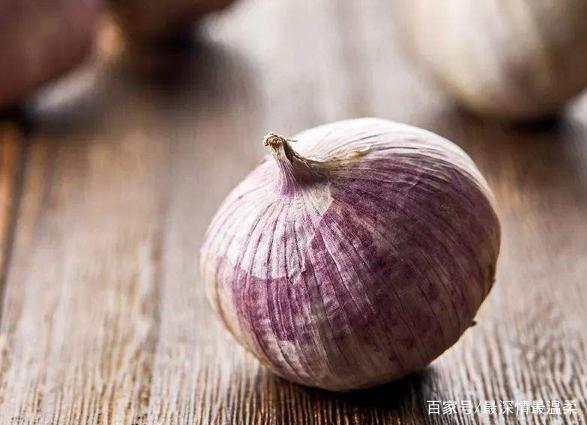
Purple-skinned garlic is renowned for its plump cloves, abundant juice, intense pungent aroma, and the fact that it retains its flavor even when mashed into a paste. It is not only a nutritious and delicious seasoning, but its garlic sprouts and garlic scapes are also popular vegetables.
Purple-Skinned Garlic Cultivation Techniques
1. Pre-planting Preparation for Purple-Skinned Garlic
1. Land preparation and bed making. Garlic is a crop that prefers cool conditions, requires ample sunlight, and likes moisture while fearing dryness. It is best to choose soil rich in humus, fertile, loose and well-aerated, with strong water retention and drainage capacity. It can be grown in continuous cropping, but should not follow Chinese chives or Welsh onion; the preceding crop should preferably be early-maturing potato, snap bean or cabbage. After harvesting the previous crop, prepare the land carefully so that the soil is fine and crumbly, the ground is level, and the beds are uniform in size.
2. Apply basal fertilizer well. Because garlic roots are arc-shaped fibrous roots, mainly distributed in the shallow soil layer within 25cm, and garlic likes moisture and is tolerant of fertilizer but has weak nutrient uptake, the quality requirements for basal fertilizer are relatively high. Choose a full-effect, high-quality organic fertilizer for the basal fertilizer; apply 3000kg/667m of organic fertilizer together with an appropriate amount of N, P, K compound fertilizer or diammonium phosphate while watering. The fertilizer and soil should be evenly incorporated into the soil in advance to avoid fertilizer burn.
2. Sowing Purple-Skinned Garlic
1. Sowing garlic at the right time leads to early growth and rapid development, early scape emergence, and high returns. However, sowing too early out of season leads to a high incidence of garlic leaf blight, and plants are prone to premature aging. The suitable sowing period is generally from late August to late September. Cooler regions may sow slightly earlier, while warmer regions may delay appropriately...
2. Seed garlic selection and treatment. The seed clove is the main nutrient source during the garlic seedling stage, and its size and quality greatly affect the formation of the product organ. As the saying goes, a big mother makes fat children. The larger the seed clove, the stronger the plant growth, the heavier the bulb formed, and correspondingly the higher the yield. Therefore, before sowing, select garlic cloves that have completed dormancy, with plump and protruding young buds, and individual cloves weighing about 5g as seed garlic.
3. Sowing method. Irrigate the bed surface appropriately according to soil moisture; after the moisture condition is suitable, open furrows and sow by dibbling. The garlic furrows should be uniform in depth. When planting garlic, keep the line connecting the back and belly of the mother clove parallel to the row direction, so that the new leaves grow perpendicular to the row direction. This method allows the leaves to receive more sunlight without shading each other and increases yield by 10-20% compared with random placement.
4. Sowing density and depth. Rational close planting: for densities aimed mainly at harvesting garlic scapes and bulbs, the usual cultivation density is 5-6 million plants/mu, with a sowing rate of 120 kg per mu. Dibbling is recommended for sowing. Experimental results show that appropriately deep sowing can increase the rate of single-clove garlic, so after sowing the soil cover depth should be kept at 4-8cm. For garlic after rice and for relatively sticky soil, the soil cover should be shallower.
3. Field Management of Purple-Skinned Garlic
1. Fertilizer and water management: Autumn-sown garlic requires 7-10 days for the sprouting stage, during which it does not need much water or fertilizer. During the seedling stage, it mainly grows leaves, and basal fertilizer can meet the growth needs at this time. Generally, when seedlings have grown to about 8-15cm or when the ground temperature is above 15°C, irrigate with a small amount of water by flooding to strengthen the seedlings; do not allow water to accumulate. During the seedling stage, the root system grows relatively quickly in the horizontal direction. The flower bud and bulbils differentiation stage is the key period for the development of garlic scapes and bulbs.
When the aboveground part has produced 50% of its leaf mass, about 7-8 leaves, the underground part grows flower buds, and bulbils form in the leaf axils. If 4-5 leaves turn yellow at this time, it is due to nutrient imbalance; dissolve 5kg/667m of quick-acting urea and 0.3k/667m of potassium dihydrogen phosphate in 30kg of water and spray. During the garlic scape growth period, the underground bulb begins to expand and needs sufficient water and fertilizer supply; dissolve 0.2k-667m of potassium dihydrogen phosphate in 20kg of water and spray.
When the bracts of the garlic scape inflorescence extend 13-16cm out of the leaf sheath, the garlic scapes can be harvested. Harvest on a sunny afternoon or on a cloudy day after the dew has dried. During the peak bulb expansion period, leaf growth stops, and the aboveground part becomes soft and lighter.
2. Intertillage and weeding. Weeding and loosening the soil can loosen the soil and increase aeration, conserve moisture and fertilizer, and reduce soil fertility consumption.
4. Control of Diseases, Insects and Weeds in Purple-Skinned Garlic.
The main diseases of garlic include leaf blight, purple blotch, rust, white rot, and sclerotinia rot. Control should focus mainly on agricultural measures, with chemical control as a supplement. The key to chemical control is at the early stage of disease onset (after the 5-leaf stage), with emphasis during the peak incidence period. For chemical control, choose 10% difenoconazole powder at 1500 times, or 25% prochloraz emulsifiable concentrate at 1000 times, or 25% Junwei emulsifiable concentrate at 1000 times.
Apply once every 7-10 days, for 3-4 consecutive applications, with control efficacy reaching over 90%. The main insect pests include leafminer, stone leek leafminer moth, thrips, and aphids. At the 3-4 leaf stage of garlic, spray 1.8% abamectin emulsifiable concentrate at 10-15 milliliters/mu, or 1.8% Aifuding emulsifiable concentrate, or pyrethroid pesticides, which can effectively control the harm of these insects to garlic.
For weed control, 20-25 days after sowing, at the 3-4 leaf stage of garlic and the 2-3 leaf stage of grass weeds, carry out a one-time foliar treatment, using 40% suancaoling 110 milliliters per mu or 20% chlorotoluron 300 grams/mu diluted with water and sprayed. The one-time weed control effect reaches over 90%, and it is safe and effective for garlic production.
5. Timely Harvest of Purple-Skinned Garlic
1. Garlic requires "harvest at nine-tenths yellow, take at ten-tenths." Harvesting garlic too early results in tender bulbs with high moisture content, and the skin wrinkles after drying; harvesting too late causes the skin to discolor and split, reducing marketability and lowering product quality.
2. Harvest the bulbs about 25 days after harvesting the garlic scapes, that is, when the leaves turn yellow. When harvesting, remove the mud, trim the root fibers, and cut off the stems to avoid mechanical damage.
3. After harvest, there is a physiological dormancy period of 1-3 months; during this time, store in a dry, ventilated place at a suitable temperature.
Nutritional Value
Purple-skinned garlic is pungent in taste and warm in nature, entering the spleen, stomach, and lung meridians; it has the effects of warming the middle and promoting digestion, moving stagnant qi, warming the spleen and stomach, relieving food accumulation, detoxifying, and killing parasites; it is mainly used for dietary stagnation, cold pain in the epigastrium and abdomen, edema and distension, diarrhea, dysentery, malaria, whooping cough, carbuncles and toxic swellings, white ringworm and tinea sores, snake and insect bites, as well as hookworm, pinworm, and other conditions.