Detailed Explanation of Camellia Planting Methods and Technical Key Points
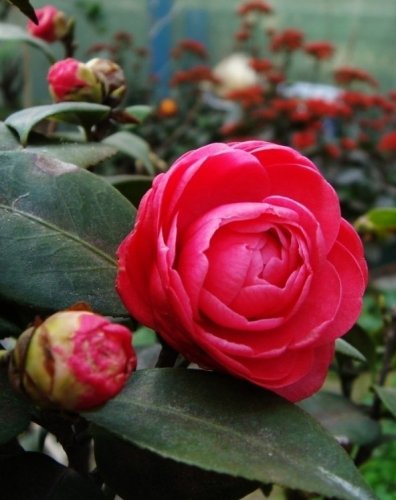
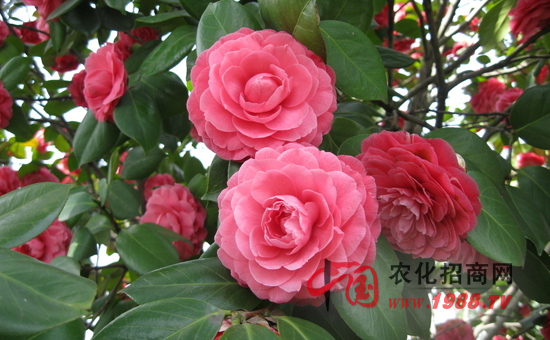
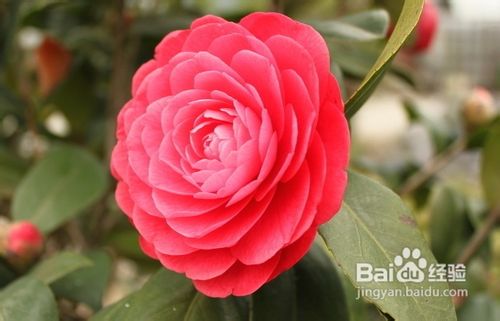
Camellia, also known as camellia flower, is a general term for multiple plants and horticultural cultivars of the genus Camellia in the family Theaceae. The petals are bowl-shaped, divided into single or double forms. Single camellias are mostly original flower species, while double camellias can have as many as 60 petals. Camellias come in varying degrees of red, purple, white, and yellow flower varieties, and there are even colored variegated camellias. They prefer warm, humid environments. The flowering period is relatively long, blooming from October to May of the following year, with the peak blooming period usually from January to March. Because of their graceful plant form, dark green and glossy leaves, and brilliantly colorful flowers, they are treasured by the world horticultural community. There are extremely many camellia cultivars. It ranks eighth among China's ten traditional famous ornamental flowers, and is also one of the world's precious flowering trees.
Cultivation Techniques
Light and Temperature
Camellia is a semi-shade flower and needs shade from a shed in summer. After the Start of Autumn, when the temperature drops, camellia enters the flower bud differentiation stage, and the whole plant should gradually receive sufficient light. In winter, it should be placed indoors in a place with ample sunlight. If the indoor light is too weak, camellia will grow poorly and is prone to pests and diseases. Camellia is a long-day plant. It can only form flower buds in an environment with a day length of 12 hours. The optimum growth temperature is 18-25°C, and the optimum flowering temperature is 10-20°C. Above 35°C, the leaves will be scorched. It is not cold-tolerant, so it should be moved indoors in winter, with the temperature kept at 3-5°C. It can also endure short periods of -10°C low temperature, but it cannot be kept above 16°C for a long time, otherwise it will promote sprouting and cause leaf drop. During the growing period, it should be placed in a semi-shady environment and should not receive overly strong direct sunlight. In particular, shading should be carried out in summer and autumn, or it should be placed in a sparse shade under trees. Camellia likes warmth and fears cold. Indoor temperature must not be lower than 5°C. In a room with a temperature of 10°C to 15°C, with other measures properly taken, it can bloom at Spring Festival, and the flowering period can last until March.
Watering and Fertilizing
Keep the soil in a state that is neither too dry nor too wet. Do not water too much, otherwise it is not conducive to root respiration. For each flowering cycle of camellia, it is best to fertilize four times, and not too frequently. Too much fertilizing makes it difficult for flower buds to open, or even causes them to drop. After the flowering period each year, first supplement fertilizer once to replenish the nutrients consumed during the flowering period. The amount of fertilizer applied should be controlled according to the size of the seedling. Phosphorus fertilizer should be the main type, with compound fertilizer as a supplement.
Shaping and Pruning