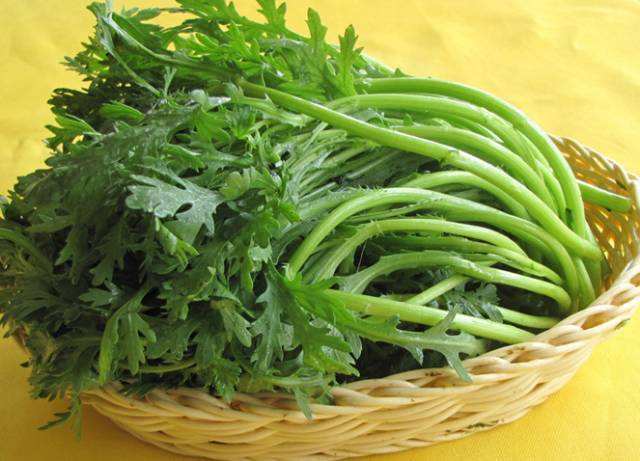
Detailed Guide to Crown Daisy Planting Methods and Key Techniques
Crown daisy (Chrysanthemum coronarium L.), also known as tonghao, penghao, haocai, chrysanthemum greens, tanghao, haozigan, haozi, penghuacai, and tonghuacai (called ecai or yicai in places such as Fujian), is an annual or biennial herbaceous plant of the order Asterales, the family Asteraceae, and the genus Chrysanthemum. Its leaves are alternate, long and pinnately lobed; the flowers are yellow or white and closely resemble those of the wild chrysanthemum. The achene is ribbed, and the plant grows two to three chi tall. The tender stems and leaves are edible and can also be used medicinally.
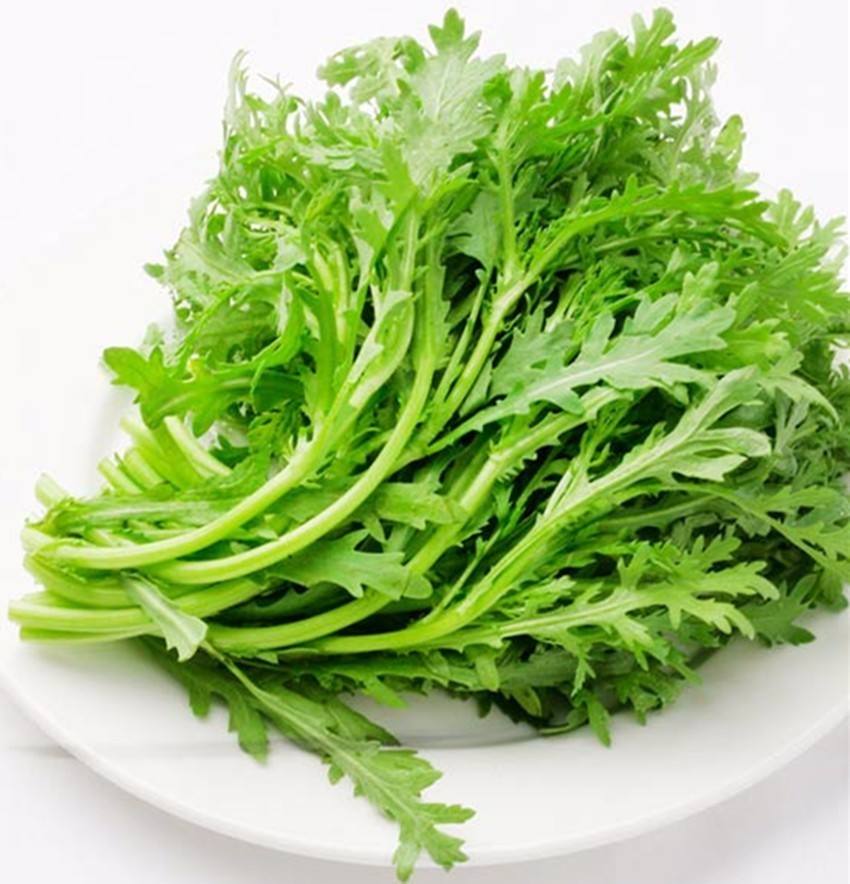
Crown Daisy Planting Methods
1. Site selection and land preparation: Sandy loam is suitable for crown daisy cultivation, and convenient irrigation conditions are required. After selecting the site, plow the soil and apply high-quality farmyard manure, at more than 1000 kg per 0.1 hectare, along with 25 kg of diammonium phosphate as base fertilizer. Make flat beds 1.2-1.4 m wide and 10-20 m long, ready for sowing.
2. Seed treatment: 3-4 days before sowing, soak the seeds in hot water at 50-55 for 15 minutes, then soak for 12-24 hours, and place them in a warm place at about 25°C to germinate. During germination, rinse once a day with clean water. If the seeds are new, place them in advance at a low temperature of 0-5°C for about 7 days to break dormancy.
3. Sowing timing: For protected cultivation in spring, sow and raise seedlings in a hotbed in late March or April; for open-field cultivation in spring, sow and raise seedlings in a hotbed in mid-April; for direct sowing in open fields in spring, sow under small arch tunnels or plastic film in early May; for summer and autumn cultivation, sow in batches and stages in cold frames or open fields, with one sowing period every 7-10 days.
4. Sowing method: Depending on the cultivation method (direct sowing or seedling transplanting), use broadcast sowing or drilling. For broadcast sowing, the seeding rate is 60-70 kg per hectare; for drilling, sow at a row spacing of about 10 cm, with a seeding rate of 30-37.5 kg per hectare. For seedling raising in seedbeds in early spring, cover with medicated soil to prevent damping-off disease. The seedling age should be 20-0 days, and the suitable time for transplanting is when 3-4 true leaves have formed.
5. Transplanting and field management: From sowing to germination and emergence generally takes 5-7 days. During germination, keep the soil moist to prevent it from drying out. When the seedlings are 2-3 cm tall with 1-2 true leaves, thin them and pull seedlings in the field so that the plant spacing remains 1-2 cm. Carry out shallow intertillage, and transplant when the seedlings have 3-4 true leaves; the external or greenhouse temperature at transplanting must be stable above 10°C. The plant spacing for transplanting or final thinning should be 4-6 cm. Water once at the first thinning, and water again after final thinning, applying quick-acting nitrogen fertilizer with the water. Afterwards, thin and harvest in stages.
6. Harvesting: Crown daisy generally has a growing period of 40-50 days. When the plants reach about 20 cm tall with 12-13 true leaves, they can be harvested. To keep the product fresh and tender, harvesting should be done in the morning. If harvesting is delayed and the temperature is high, the stems and leaves will age and the quality will be poor, or the internodes will elongate and the plant will bolt and flower. If multiple harvests are desired, cut the main stem with a knife, leaving 2-3 cm at the base, and tie the cut tender stems and leaves into small 0.5 kg bundles for market. After cutting, water the plants, and they can be harvested again after one month.