Detailed Explanation of Lettuce Planting Methods and Technical Points
Lettuce (var. ramosa Hort.), commonly known as leaf lettuce, also called goose lettuce, mark lettuce, or stem lettuce, belongs to the genus Lactuca in the Asteraceae family. It is an annual or biennial herbaceous crop, with long obovate leaves densely packed into a blue-green head, edible raw, crisp and refreshing with a slight sweetness. Lettuce originated along the Mediterranean coast of Europe, domesticated from wild species. The ancient Greeks and Romans were the first to eat it.
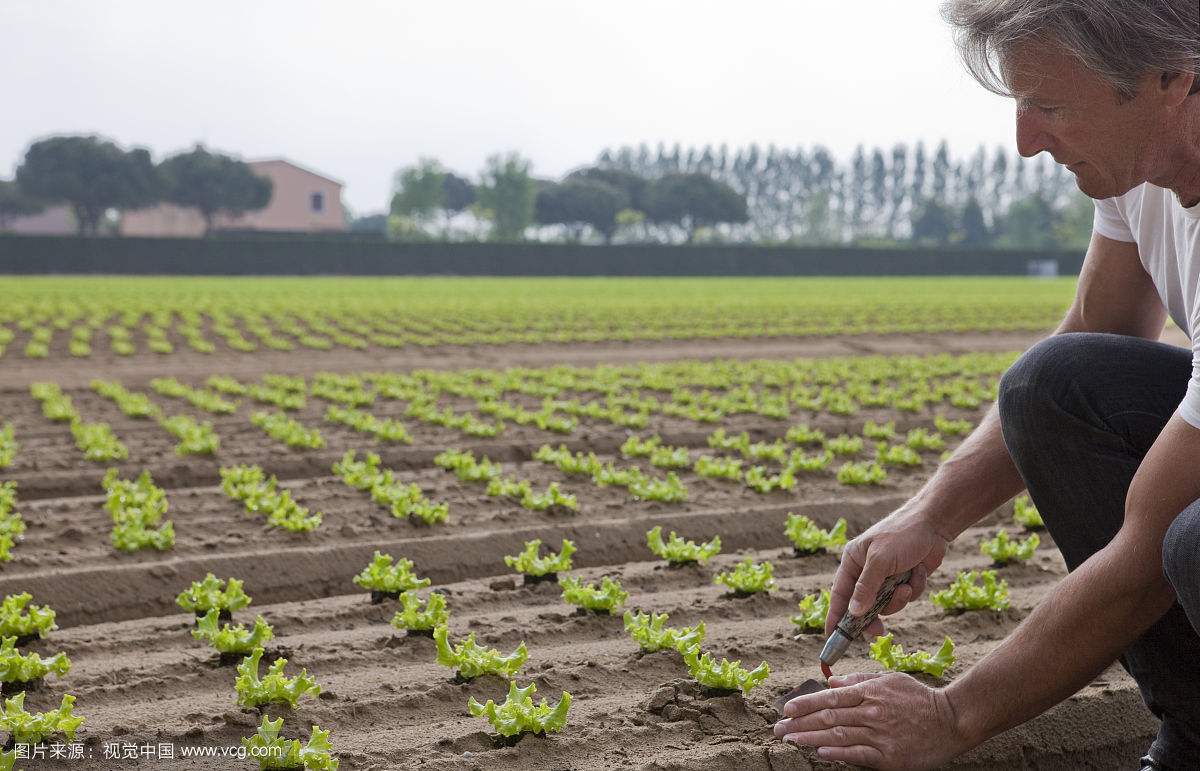
Winter Greenhouse Lettuce Cultivation
For winter planting of broccoli, first select varieties with wide adaptability and strong cold resistance, sow them in a pre-prepared seedbed, or raise seedlings in nutrient pots. The sowing rate is 20-25 grams of seed per mu.
1. Preparation before sowing: Broccoli can be sown in seedbeds or raised using floating seedling trays. The substrate and nutrient solution for floating seedling cultivation are the same as those used for flue-cured tobacco seedling cultivation; for seedbed seedling cultivation, select loam soil with convenient irrigation and drainage, plow and sun-dry it thoroughly, and build beds 1-1.8 m wide (including trenches) and 20-25 cm high as seedbeds. Apply 10-15 kg of decomposed organic fertilizer and a certain amount of phosphorus and potassium fertilizer per square meter of seedbed, then mix the fertilizer thoroughly with the soil, rake it fine and level it, and spray with Hushu Jiangjun for sterilization and disinfection to reduce sources of pathogens.
2. Sowing: For seedbed seedling cultivation, pre-mix the seeds with a certain amount of fine sand before sowing, at a sowing rate of 4-5 grams per square meter (that is, seedlings raised on 5 square meters are enough to plant one mu of field). After sowing, cover with 0.5-1 cm of thin soil, spray with 800-fold diluted Xingao Zhimo solution (spraying 800-fold diluted Xingao Zhimo solution preserves moisture and prevents water evaporation, protects against sun and drought, preserves heat and prevents freezing, prevents soil crusting, suffocates and isolates sources of pests and diseases, and increases the seedling emergence rate), then cover with a layer of thin rice straw. In late summer and early autumn, when the weather is hot and rainy, whether using floating seedling cultivation or seedbed seedling cultivation, cover with a shade net to block sun and rain.
3. Management during the seedling stage after sowing: After sowing, pay attention to watering and keep the soil moist at all times. Seedbed seedlings generally emerge uniformly in about 3 days, and the rice straw should be removed promptly. For summer seedling cultivation, special attention should be paid during the seedling stage to controlling damage from striped flea beetles and cabbage caterpillars. Remove the shade net 7-10 days before transplanting so the seedlings receive full light for hardening. About 30 days after sowing, when the seedlings are about 15 cm tall and have 5-6 true leaves, they can be planted out. Before planting out, spray the seedbed once with insecticide and fungicide. After planting out, promptly spray with 800-fold diluted Xingao Zhimo solution, which can effectively prevent above-ground water evaporation and seedling moisture transpiration, isolate pests and diseases, shorten the seedling recovery period, and help the plants quickly adapt to the new environment and grow healthily.
Health Benefits
Lettuce contains an interferon inducer, which can stimulate normal human cells to produce interferon, resist viruses, and improve human immunity.
Lettuce contains a substance called protocatechuic acid, which has a clear inhibitory effect on cancer cells, especially in resisting cancers of the digestive system such as gastric cancer, liver cancer, and colorectal cancer, with notable effects.
The vitamin E, carotene, and other substances in lettuce can protect the eyes, maintain normal vision, and relieve eye dryness and fatigue.
Lettuce is rich in vitamin C and has a certain whitening effect.
Lettuce has a very high content of nutrients such as dietary fiber, and regular consumption helps eliminate excess fat, so lettuce is also known as weight-loss lettuce.