A Detailed Guide to the Planting Methods and Key Technical Points for Parochetus communis
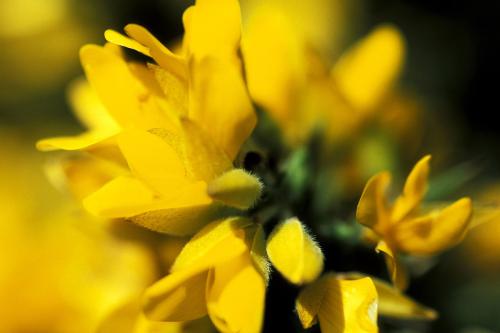
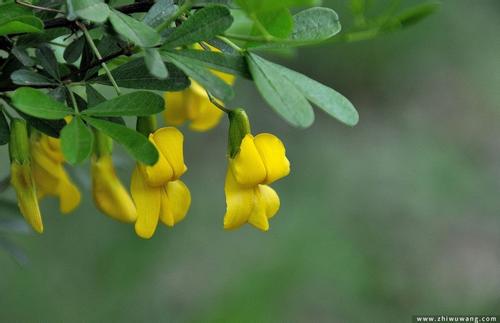
Parochetus communis, also known as the shamrock pea (scientific name: Parochetus communis), is a creeping herb in the Fabaceae family and the genus Parochetus, growing 10-20 cm tall and sparsely covered with soft hairs. Its rhizomes are thread-like, rooting at the nodes, and bear root nodules. The petal tips are slightly pointed and split into two side petals, shaped like a flying sparrow, and golden yellow in color, which is why it is called jinquehua (golden sparrow flower). It grows in forest-edge grasslands, on hillsides, and in wasteland along roadsides, at elevations of 2000-3000 m. It is found in Sichuan, Yunnan and Tibet. It is also distributed in India, Nepal, Bhutan, Sri Lanka, Myanmar, Thailand, Malaysia and eastern Africa.
Growing Environment
It grows in forest-edge grasslands, on hillsides, and in wasteland along roadsides, at elevations of 2000-3000 m. It is light-loving and often grows on sunny hillsides. It has a well-developed root system with root nodules, is drought-resistant and tolerant of poor soil, and can grow in crevices between rocks. It dislikes waterlogging. Its sprouting ability and suckering ability are both strong, and it can reproduce naturally by seed. It grows even better in deep, fertile, moist sandy loam.
How to Grow Parochetus communis and Points to Note
1. Soil: If you want Parochetus communis to grow vigorously, you need to let it grow in suitable soil. Choosing the soil is the first step in laying a good foundation and is very important. Generally, it is best to choose loose, fertile sandy loam. This kind of soil has good drainage and aeration, allows the plant to absorb nutrients better, and is not prone to water accumulation.
2. Fertilizing: Fertilizer is one of the main nutrients in the growth process of Parochetus communis. Especially after it enters its growing period, its demand for fertilizer is very high. Basically, we need to fertilize once a month so that the plant has sufficient nutrients to grow vigorously. However, when fertilizing, there is one point we should note: apply diluted fertilizer, not too high in concentration, otherwise it can easily burn the plant.
3. Water: This plant, Parochetus communis, is rather intolerant of waterlogging, so when growing it we should not water too much. We should maintain the principle of "do not water if not dry, and water thoroughly when watering." In summer, we can water a little more appropriately, but the amount of water should be controlled. If too much water is given and water accumulates, it can easily cause the plant's roots to rot.
4. Light: Parochetus communis is rather light-loving but not tolerant of strong light. In spring and autumn, because the light is relatively suitable, we can keep it outdoors to receive light all day. However, after summer arrives, because the light is stronger, we still need to pay attention to shading to avoid long periods of full exposure that can scorch the plant.
5. Pruning: In the process of growing Parochetus communis, we also need to prune it regularly, cutting off some overly dense branches as well as dead, diseased and weak branches. This not only keeps its plant shape attractive and helps with ventilation and light penetration, but also promotes branching, making the plant look fuller.
6. Pests and diseases: During the growth of Parochetus communis, if our care is not careful enough, pests and diseases can easily take advantage of the situation. Such problems are very harmful to the plant, so once we find them, we must deal with them immediately.