Tea Plant Cultivation Techniques and Growing Management Methods
The tea plant is a shrub or small tree of the genus Camellia in the family Theaceae, with hairless young branches. The leaves are leathery, oblong or elliptical. The leaves of the tea plant can be made into tea (unlike the tea-oil camellia), the seeds can be pressed for oil, and the tea plant's wood is fine-grained and can be used for carving.
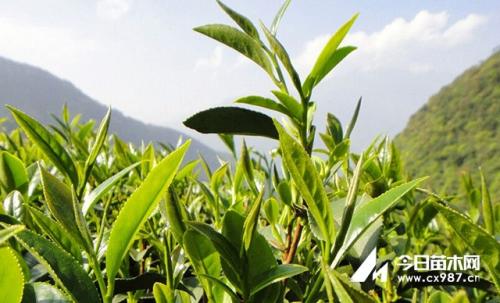
Planting methods
-
Different tea varieties have different optimal ecological conditions, the most important of which is air temperature. If the ecological conditions exceed the optimal range for a variety, its superior traits cannot be fully expressed; choosing varieties with strong cold resistance and strong adaptability makes planting easier to succeed.
-
Before planting, pest and disease quarantine work must be done, and exposure to sun and wind must be prevented. In the early stage, cover the seedlings with rice straw and tarpaulin to protect them from sun and wind, and the roots of the seedlings must also be dipped in yellow mud slurry to ensure survival.
-
Transplanting should be carried out when the aboveground part of the tea plant is in the dormant period, which is conducive to survival. At the same time, local climate conditions should also be taken into account, avoiding transplanting during drought and severe cold. According to China's climate and production conditions, transplanting can be carried out in late autumn and early winter or in early spring. Transplanting in late autumn and early winter is conducive to the survival of tea seedlings, because although the aboveground part has stopped growing at this time, root growth continues; after the tea seedlings overwinter, the roots can enter normal growth earlier the following spring. However, in areas with severe winter drought or freezing, it is better to choose early spring, when temperatures are low and rainfall is sufficient, and the amount and frequency of watering after planting can be reduced.
-
After transplanting, tea plants generally grow weakly, have shallow root systems, and poor drought resistance, so seedling protection work must be done well. Generally, mulching with straw or shallow tillage can be used to improve drought resistance.
-
Timely prevention and control of pests and diseases: because the ecological environment of young tea plants changes before and after transplanting, and because the seedlings grow weakly in the early stage and have low resistance to diseases and pests, pest and disease control should be strengthened.
- Periodic pruning of mature tea plants In order to maintain vigorous growth of the tea plant, preserve a good population structure of the canopy over the long term, facilitate operation and management, and extend the tea plant's high-yield years, in addition to strengthening fertilizer management, regulation must also be carried out through annual pruning.