Canna Lily Planting Methods and Care Tips Explained in Detail
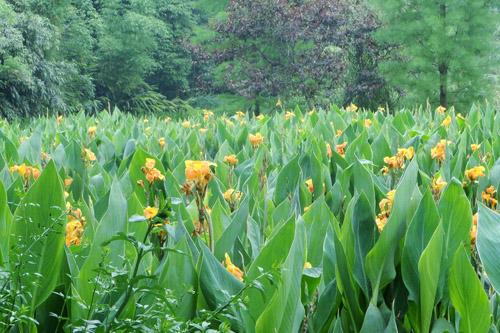
Canna lily, also known as orchid canna, red brilliant canna, small-flowered canna, small banana, etc., is a perennial herbaceous plant with fleshy roots in the Cannaceae family. It is native to tropical America, India, Malaysia and other places, and is widely cultivated throughout China. It is an ideal flower for greening, beautifying and purifying the environment, and has high cultivation value.
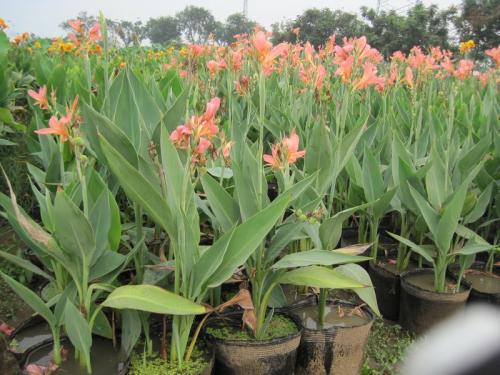
Environmental Requirements for Canna Lily Growth
1. Soil: It grows best in loose, fertile, well-drained sandy loam, and also adapts to fertile clayey soil. Potting soil should be mixed with leaf mold, garden soil, peat soil, mountain soil and other soils rich in organic matter.
2. Potting: For pot cultivation, dwarf varieties should be chosen, using soil mixed with leaf mold, vegetable garden soil and rice husk ash. After fertilizing, choose a day with good weather in March-April to take out the tubers, select stem pieces with 2-3 healthy buds and bury them in the pot soil, with the bud tips just exposed above the soil surface.
3. Light: Growth requires full sun, ensuring at least 5 hours of direct sunlight per day. Insufficient light will delay the flowering period. When blooming, move to a cool place to extend the flowering period.
4. Temperature: The suitable growth temperature is 15-30°C. Moderate low temperatures can extend the flowering period. Around the time of Frost's Descent, move potted canna lilies to a place at 5-10°C for safe overwintering. When the temperature reaches above 40°C, move the canna lily to a ventilated and cool place.
5. Humidity: During the growing season, spray water on the leaves 1-2 times a day to maintain humidity, and water thoroughly in the pot.
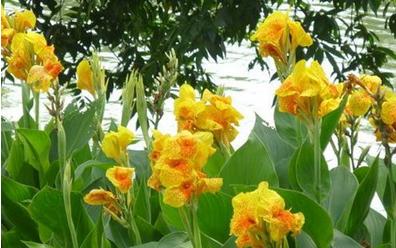
Watering Methods for Canna Lily in Different Seasons
1. Spring: In spring, some leaf buds begin normal growth, and water consumption gradually increases. At this time, water once a day.
2. Summer: Summer is the vigorous growth period for canna lilies, requiring watering once in the morning and once in the evening each day. During the plum rain season in June, watering once a day is sufficient, and outdoor cultivation should drain excess water promptly. In July, appropriately increase the amount of watering, preferably spraying water on the leaves, which can keep the leaf surface clean and make the leaf color more fresh and tender.
3. Autumn: After the beginning of autumn, the weather is dry and frequent watering is needed to keep the soil moist. After October, the temperature will gradually decrease day by day, and the amount of watering should be reduced as appropriate to resist the cold.
4. Winter: After the beginning of winter, canna lily growth slows down or even stops. Water once a day or once every two days. It is not suitable to water with cold water; watering in sunlight is better, and the best watering time is generally between 1 and 2 in the afternoon.
Precautions for Watering Canna Lilies
1. Before the rhizomes of canna lilies have grown new roots, water less.
2. The pot soil should be kept moist; overly wet soil easily causes root rot.
3. After the flower scape of the canna lily emerges, it should be watered frequently to keep the pot soil moist. If water is lacking, the canna lily is prone to the phenomenon of "flowers hidden among leaves" after blooming.
4. In winter, watering should be reduced, following the principle of "water when dry, stop when wet."
5. In hot summer, if the water temperature is too cold, it will cause the leaf edges to scorch.
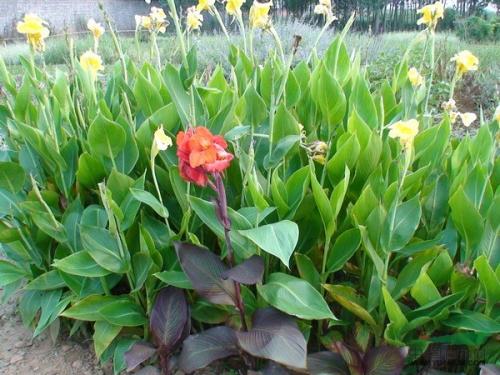
Fertilization Methods for Canna Lilies
1. Peak growing season: In addition to applying sufficient base fertilizer before planting, topdressing should be applied 3-4 times per month during the peak growing season.
2. Flowering period: If flower buds have not yet emerged 20-30 days before the scheduled flowering period, spray 0.2% potassium dihydrogen phosphate solution on the leaves to promote flowering.
3. Potting: Fertilization should not be excessive. Applying too concentrated fertilizer during the height of summer can scorch the rhizomes and "burn them to death."
Propagation Methods for Canna Lilies
1. Sowing: In April-May, cut a notch in the hard seed coat with a sharp tool, soak the seeds in warm water for a full day and night, then sow in open ground. Seedlings emerge 2-3 weeks after sowing. Transplant once when 2-3 leaves have grown. They will bloom in the same year or the following year.
2. Tubers: Tuber propagation is carried out in March-April. Dig out the old rhizomes, divide them into blocks, keeping 2-3 buds on each rhizome piece with root fibers attached, plant into the soil at a depth of about 10 cm, with a plant spacing of 40-50 cm, and water thoroughly. When new shoots grow to 5-6 leaves, apply decomposed fertilizer once, and they will bloom in the same year.
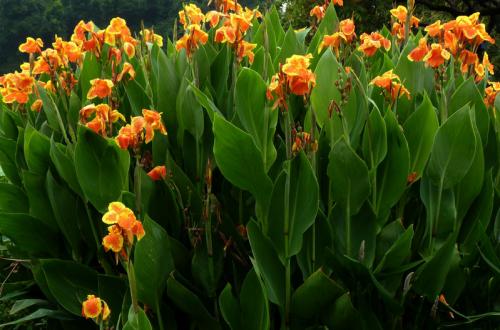
Pruning Methods for Canna Lilies
After the flowers at the stem tip fade, the stem branches should be cut off from the base at any time, so as to promote new shoots and grow flowering branches that bloom successively.
Pest and Disease Control for Canna Lilies
1. Black spot: Before planting bulbs, soak them in 800 times diluted 50% thiophanate-methyl wettable powder for 5-10 minutes to prevent the disease. In the early stage of the disease, cut off diseased leaves and burn them, and spray 75% chlorothalonil wettable powder once every 7-10 days for 2-3 consecutive times to inhibit the development of the disease.
2. Black spot: Root division propagation easily transmits the virus year after year, so when propagating, it is advisable to select virus-free mother plants as propagation material. Remove and destroy diseased plants immediately upon discovery to reduce sources of infection.
3. Mosaic disease: When the disease occurs, insecticides are needed to control aphids, generally using 2000 times diluted 40% omethoate, or 1000 times diluted each of 50% malathion, 20% diazinon and 70% pirimicarb for spraying.
4. Bud rot: Select healthy rhizomes as propagation material. For rhizomes suspected of carrying bacteria, soak them in 500-1000 times diluted streptomycin solution for 30 minutes before planting, which can both prevent disease and promote the growth of buds and branches.
Precautions for Growing Canna Lilies
1. Ensure light: Provide sufficient light during the growing period, ensuring at least 5 hours of direct sunlight per day.
2. Control fertilizer amount: Applying too much ferrous sulfate to potted canna lilies can cause symptoms of scorched leaf edges and yellowing. Applying too concentrated fertilizer during the height of summer can scorch the rhizomes of the canna lily and "burn them to death." Stop fertilizing during the flowering period and overwintering period of the canna lily.
3. In hot summer, if the water temperature is too cold, it will also cause the leaf edges to scorch.
4. Pruning: After the flowers at the stem tip fade, the stem branches should be cut off from the base at any time, so as to promote new shoots and grow flowering branches that bloom successively.
Cultivation Benefits of Canna Lilies
1. Decoration: Canna lilies have large flowers and bright colors, rich variety, relatively tall and sturdy plants, and are relatively easy to cultivate. New varieties of canna lilies have extremely high ornamental value and can be used as potted plants or planted in the ground.
2. Environment: Canna lilies can beautify the environment, absorb carbon dioxide, hydrogen chloride, and carbon dioxide and other harmful substances, and have good resistance.
3. Industry: The stem and leaf fibers can be used as raw materials for making artificial cotton, gunny bags and ropes, used for weaving gunny bags and twisting ropes; the leaves can be used to extract aromatic oil, and the residue can also be used for papermaking.
4. Medicine: Its rhizomes clear heat and remove dampness, relax muscles and activate collaterals; used to treat jaundice hepatitis, rheumatic numbness, traumatic bleeding, bruises, uterine prolapse, heart and chest pain, etc.