Detailed Explanation of Key Wheat Cultivation Techniques and Management Methods
Wheat is the collective name for plants of the wheat genus, a monocotyledonous plant, and a grass-family plant widely cultivated around the world. The caryopsis of wheat is one of humanity's staple foods; once milled into flour, it can be used to make foods such as bread, steamed buns, biscuits, and noodles; after fermentation, it can be made into beer, alcohol, baijiu (such as vodka), or biofuel. Wheat is one of the three major grains, and is used almost entirely for food, with only about one-sixth used as feed. Mesopotamia is the world's earliest region for cultivating wheat, and China is one of the world's earliest countries to grow wheat.
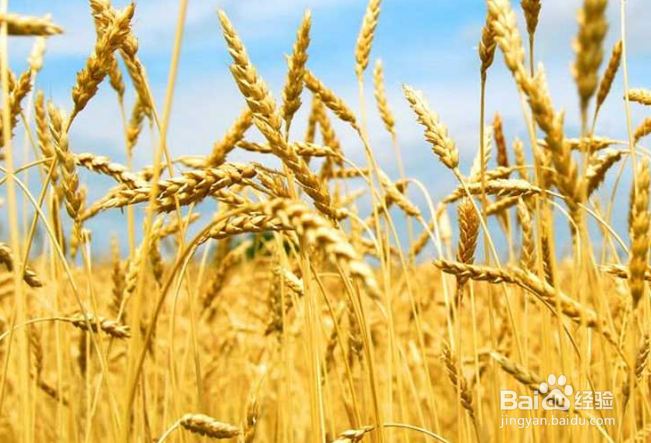
Cultivation methods:
-
Step one: first select the wheat seeds; be sure to select wheat seeds with relatively large grains, and they must undergo strict selection and screening. If conditions permit, physical selection, chemical selection, or specialized instruments can be used for screening.
-
Step two: before planting, treat the selected seeds according to a certain proportion of pesticide, or according to the guidance of professional pesticide technicians, prepare the pesticide, then mix the prepared pesticide with the wheat and stir evenly.
-
Step three: choose suitable soil for wheat cultivation. The soil for wheat cultivation must not be too dry or too moist; in particular, never plant wheat in saline-alkali land, and do not plant wheat in mountainous or arid places.
-
Step four: the season for planting wheat must be chosen well. Winter wheat is generally planted in late autumn after the corn harvest is completed. Be very careful that when planting winter wheat, you must not plant it when it is too cold.
-
Step five: once the seeds are prepared, the land is chosen, and the season is selected, when starting to plant wheat, you can first loosen the soil, or use a machine to loosen all the soil in the field. Be sure to note that some fertilizer can be spread while loosening the soil.
-
Step six: when formally starting to plant wheat, you can directly use machinery for cultivation, or use tools to dig holes by hand, then plant the wheat seeds in the ground. It is best to choose a time just after rain or in a moist environment for planting wheat. After planting wheat, be sure to observe carefully, especially paying attention to preventing and controlling pests and diseases that damage wheat. Pay attention to irrigation and fertilization, and prevent and control pests and diseases.
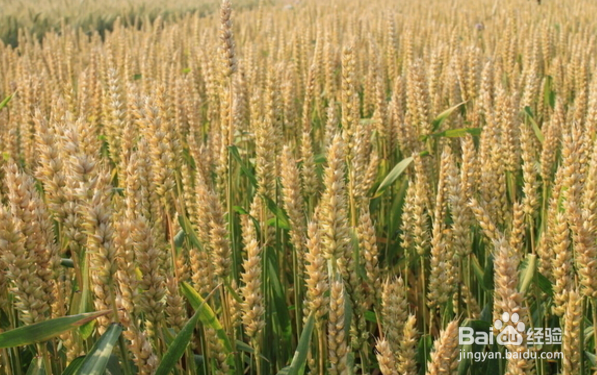
Common threats
Diseases harmful to wheat include: wheat stripe rust, leaf rust, stem rust, stinking smut, loose smut, yellow dwarf disease, red dwarf disease, take-all disease, fusarium head blight, leaf spot disease, etc. Insect pests include wheat aphids, wheat seed flies, wheat blossom midges, red spiders, leafhoppers, white grubs, wireworms, mole crickets, wheat leaf sawflies, wheat stem flies, etc.