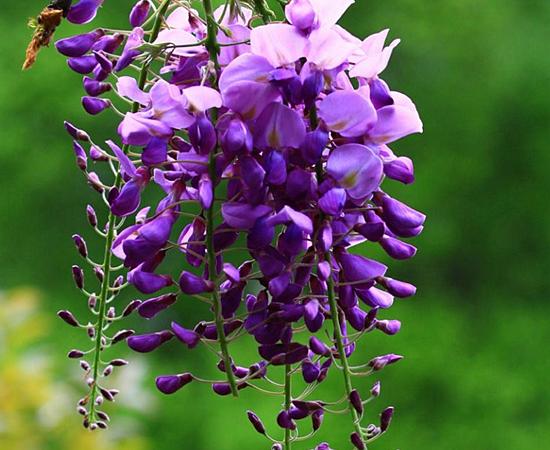
Detailed Guide to Wisteria Planting Methods and Key Techniques
Wisteria, also known as Chinese wisteria, Zhu Teng, and Huang Huan. It belongs to the Fabaceae family and the Wisteria genus, and is a deciduous climbing twining large woody vine. The bark is dark gray and does not split; it blooms in spring, with blue-purple papilionaceous corollas, the flowers purple or deep purple, very beautiful. Wisteria is a plant of warm and temperate zones, with strong adaptability to growing conditions. Wisteria is a large flowering species that is very good at climbing. Most people do not grow this flower, because its flowering time is especially long, said to be as long as seven or eight years, so many people say that by the time you plant wisteria you may be old before it blooms. Wisteria is a flower with a very beautiful flower language.
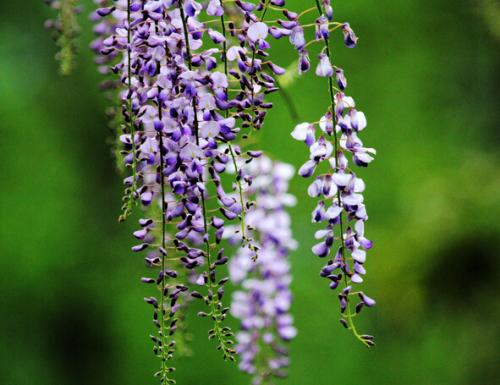
1. Soil
Wisteria has a long taproot, so the planting site needs deep soil. Wisteria tolerates poor soil, but fertile soil is more favorable for growth. Wisteria is also highly adaptable to soil pH. You should choose a high, dry spot with deep soil, fertile soil, and good drainage; excessive moisture easily causes root rot.
2. Fertilizing
Although the soil we choose is relatively fertile, the natural soil obtained from nature is still relatively poor in fertility, so it needs to be enriched and supplemented with nutrients to meet its growth needs. We can choose some animal manure as a base fertilizer to apply, or apply some organic fertilizer.
3. Light and Water
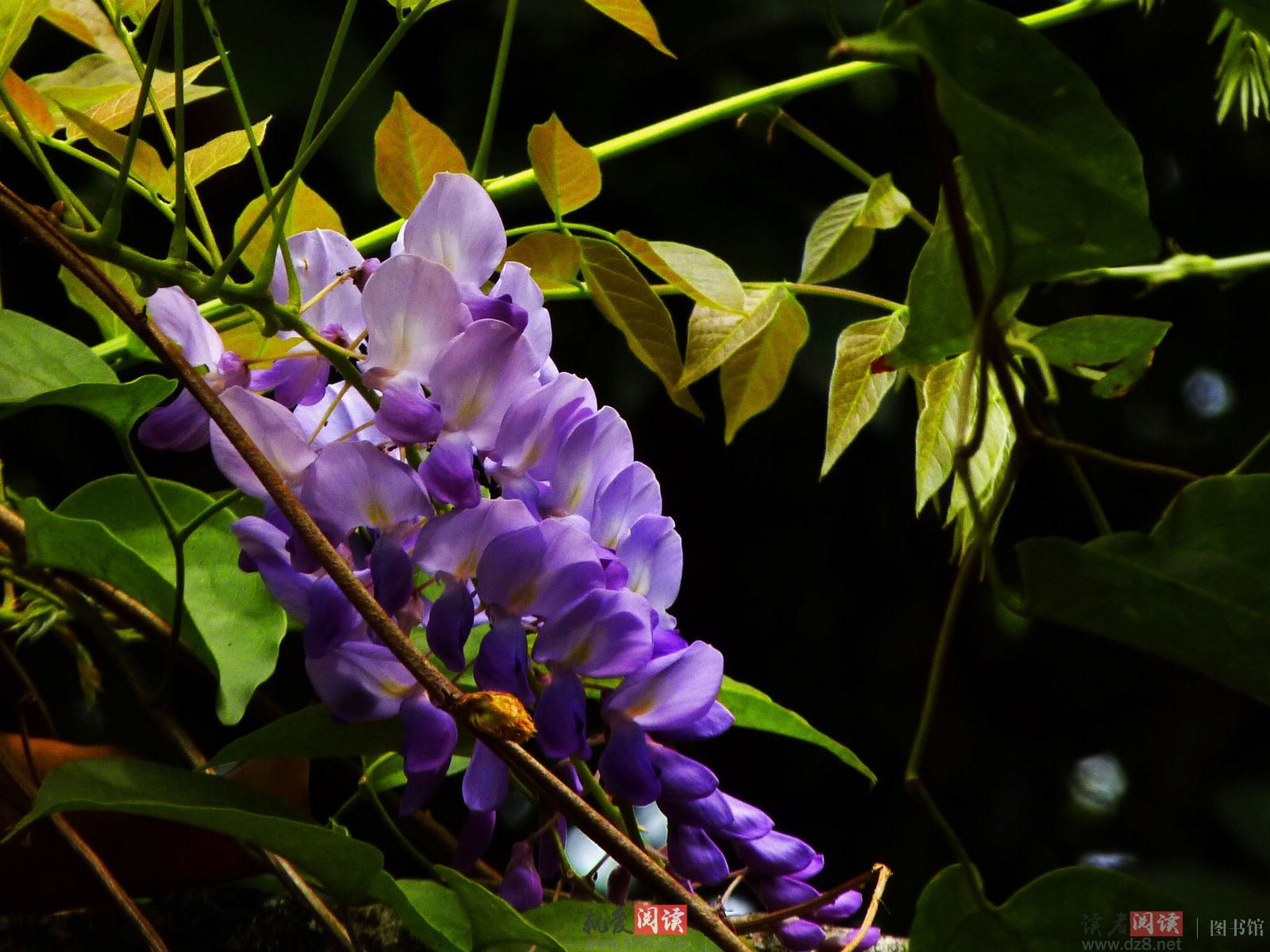
Its requirements for light and soil are not high. After transplanting, the wisteria can be placed outdoors for care or on your own balcony. However, if it is outdoors, pay attention to protective measures and avoid heavy rain beating on it. Give it appropriate watering at ordinary times; as for light, just let it be natural. There is no need to pay special attention; normal sunlight is enough.
4. Planting Out and Setting Up a Support
Because wisteria is a climbing and twining plant, as mentioned at the beginning, before transplanting you first need to set up a support for planting it in place. Build some supports around where it grows, then tie some of the relatively sturdy branches onto them and let it twine and grow along them by itself. Because later, as its growth takes off, it will become larger and heavier, so when we set up the support we should make it firm and durable.
5. Potting, Planting, and Pruning
At this step, the wisteria is to be grown in the open ground. First set up the support, then plant it. If what you have prepared is an ordinary flower pot, then plant it in the exact center of the pot, so as to prevent the plant from becoming too large later and causing the pot to tilt.