Tea Tree Mushroom Cultivation Methods and Key Technical Points
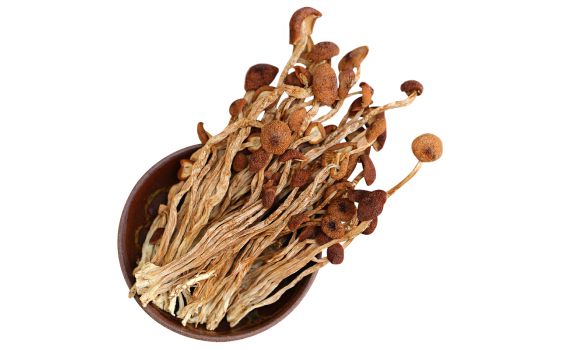
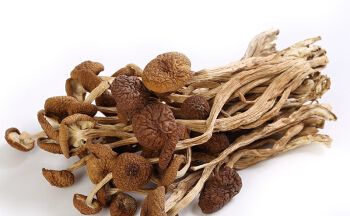
The tea tree mushroom (Agrocybe aegerita) is an edible and medicinal fungus with a tender cap, crisp stipe, pure aroma, and delicious flavor. The tea tree mushroom is rich in nutrients and high in protein, contains a variety of essential amino acids for the human body, and is also rich in B vitamins and mineral elements such as potassium, sodium, calcium, magnesium, iron, and zinc. The tea tree mushroom has the effects of clearing heat, calming the liver, improving eyesight, promoting diuresis, and strengthening the spleen. The tea tree mushroom is one of the ten rare mushrooms currently available for development.
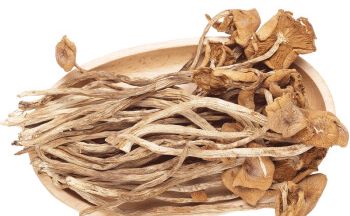
Tea Tree Mushroom Cultivation Techniques:
1. Selection and breeding of superior strains: At present, there are many tea tree mushroom strains. In the early period, the tea tree mushroom strains promoted in the Guangchang area of Jiangxi Province included AS78, AS982, and others bred by the Strain Preservation Center of the Ganzhou region of Jiangxi. In recent years, the tea tree mushroom strains promoted in Fujian Province include Tea Tree Mushroom-1, Tea Tree Mushroom-3, Tea Tree Mushroom-5, and other strains bred by the Sanming Institute of Fungi. Their spawn production is as follows:
1.1. Mother culture (first-level spawn): Use enriched PDA medium (potato 200g, glucose 15g, sucrose 5g, magnesium sulfate 0.5g, potassium dihydrogen phosphate 0.5g, B1 1g, water 1000ml) or PDA medium with added wheat bran (potato 200g, sucrose 20?g, wheat bran 10g, water 1000mL). Both formulas above use agar 20g. Generally, the mycelium from the latter formula is more robust. The mother culture made with the above formulas can be cultured at a constant temperature of about 26 degrees C for about 7 days.
2. Stock culture (second-level spawn): The stock culture made using sawdust medium (sawdust 78%, wheat bran 20%, sucrose 1%, gypsum powder or calcium carbonate 1%, a small amount of superphosphate, magnesium sulfate, and potassium dihydrogen phosphate) can be cultured at a constant temperature of about 25 degrees C for about 7 days.
3. Cultivation spawn (third-level spawn): The spawn made using sawdust medium or cottonseed hull medium (cottonseed hull 78%, wheat bran 20%, sucrose 1%, gypsum powder 1%) can be cultured at 24-28 degrees C for about 30 days. Tea tree mushroom spawn requires robust, thick, white mycelium. In the later stage of culture, it is normal for red-brown markings to appear on the slant of the mother culture, or for small fruiting bodies like those of enoki mushroom to grow on the surface of the stock culture or cultivation spawn. However, if the mycelium appears sparse and weak, does not fully colonize the substrate, or has colored spots or yellow liquid, it should not be used.
4. Cultivation season: Because the tea tree mushroom is relatively resistant to high temperatures and can also tolerate low temperatures, it can be cultivated year-round in most areas of Fujian, Guangdong, Zhejiang, and other provinces. However, cultivation in different seasons results in different yields and quality, so to achieve high yield and high efficiency in tea tree mushroom cultivation, the appropriate cultivation period must be selected. According to cultivation trials in various places, spring or autumn cultivation is suitable in most areas of China, and spring cultivation in particular gives a higher yield. In production, spring cultivation is generally arranged when the temperature reaches 20 degrees C, and autumn cultivation is suitable when the temperature drops to 25 degrees C for fruiting. Each place can choose the appropriate cultivation period according to local climatic conditions. For example, in the eastern Fujian area, the suitable spring cultivation period is bag-making from January to February, with fruiting in April to May, or bag-making from September to October, with fruiting in November to December.
5. Temperature: The tea tree mushroom is a mesophilic edible fungus. Its mycelium can grow at 4-35 degrees C, stops growing below 0 degrees C and above 35 degrees C, and loses vitality and dies above 45 degrees C. Mycelium grows fastest at 25 degrees C, elongating 7.5mm per day, and grows relatively fast within the range of 20-28 degrees C.
6. Water and humidity: The water content of the culture medium for tea tree mushroom cultivation should be kept at 60%-65%, that is, when a handful of culture medium is grasped and squeezed hard, it is moist between the fingers, with a little water but not dripping, and when the fingers are released it forms a clump that breaks apart after falling to the ground. However, different types and thicknesses of sawdust vary slightly, so it should be controlled flexibly. During mycelial growth, the relative air humidity should be kept below 70%; during the fruiting body formation and development stage, it should be 85%-95%, and appropriately lowered during the growth period to extend the freshness retention period of the product.
7. Air: The tea tree mushroom is an aerobic macrofungus and is very sensitive to carbon dioxide. Poor ventilation and excessively high carbon dioxide concentration can easily cause slow mycelial growth, thick and long fruiting body stipes, small caps, early veil opening, and deformed mushrooms. During the mycelial growth stage, the incubation room should be ventilated intermittently, 1-2 times per day. During the fruiting body growth stage, the cultivation room should be ventilated frequently, 3-6 times per day, depending on actual conditions.
8. Carry out integrated pest control: Physical and biological control are mostly used, and chemical control should be avoided as much as possible during the fruiting period. Focus on sanitation, promptly dispose of spent mushroom bags, disinfect the inside and outside of the mushroom house, and use clean tap water for replenishment. Use a combination of insect-proof nets, black light lamps, and the water immersion method (before primordia appear or after harvest, pour water into the mushroom logs so that the water surface is 1-2mm above the substrate surface, soak for 2 days, then pour it off) to control insects.
Key Cultivation Techniques