Daidaiflower (Bitter Orange) Planting Methods and Key Technical Points
Daidaiflower, also known as: bitter orange, Huiqingcheng, Daidaicheng. Latin name: Citrus aurantium L. Belongs to the Rutaceae family, Citrus genus. A small tree with dense branches and leaves and many thorns; the thorns on water sprouts can reach 8 cm long. Its green leaves dance gracefully, and golden fruits hang down, making it a rare treasure among home-grown flowering plants. The fruit of Daidaiflower is initially dark green, turns orange-yellow when ripe, and does not drop; by the following spring and summer it turns blue-green again, hence the name "Huiqingcheng" (return-to-green orange). If cared for properly, the fruit can persist until the third year, hence it is also called "Daidai" (generation after generation).
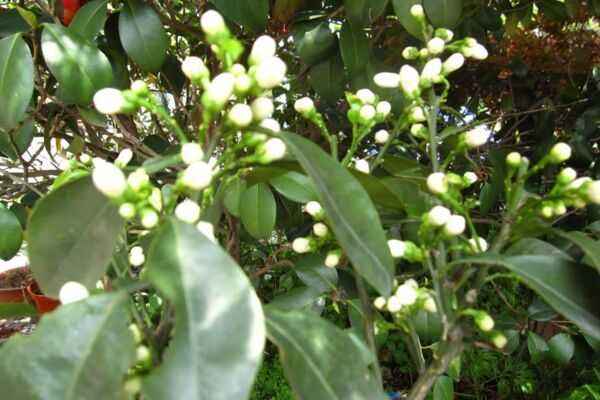
Planting Methods:
1. Repotting and Pruning
Daidaiflower has a relatively well-developed root system with too many old roots; if the potting soil is too compacted and poor, it will hinder the plant's absorption of water and nutrients, thereby causing flower and fruit drop. Usually it should be repotted once every 1 or 2 years; repotting should preferably be done in early spring and combined with pruning. When pruning, just retain 2 or 3 buds at the base of the side branches and cut off the parts above, which can stimulate vigorous new branches and help produce abundant flowers and fruit.
2. Frequent Fertilization
Daidaiflower likes fertilizer. If it cannot get the necessary nutrients during fruit growth, it will drop fruit, so it should usually be fertilized about once every 10 days. Pause fertilization during flowering to avoid causing flower drop. Avoid nitrogen fertilizer before and after flowering, and apply more phosphorus and potassium fertilizer to avoid promoting autumn shoots that compete with the fruit for nutrients.
3. Reasonable Watering
Daidaiflower likes moist soil; potting soil that is too dry or too wet will both cause fruit drop. In the rainy season, it is best to prop up the bottom of the pot with bricks to help excess water drain out and prevent root rot. In summer, water generously and spray water on the branches, leaves and surrounding environment from time to time.
4. Flower and Fruit Thinning
When Daidaiflower blooms, flowers and fruits should be thinned appropriately to improve the fruit-setting rate and fruit quality. Usually keep 1 or 2 fruits on a large branch; for a not-too-large plant, select and keep at most 3 to 5 fruits per plant. This not only makes the fruits larger but also benefits the plant's growth the following year.
5. Appropriate Light
Daidaiflower likes sunlight, and the most suitable growing temperature is 22 to 27 degrees C. If the environment is too shady, it will cause excessive growth of branches and leaves, reduce flowering and fruit setting, and some may not set fruit. Daidaiflower is not adapted to a high-temperature climate above 35 degrees C. In summer, when temperatures are high, appropriate shading is needed at noon, which can increase the plant's fruit-setting rate.
6. Sufficient Dormancy
Daidaiflower has a certain cold resistance. After being brought indoors in winter, it can overwinter safely as long as the room temperature is kept above 0 degrees C. At this time, the potted plant should be allowed sufficient dormancy. If the room temperature is too high, the plant's respiration will increase, and it will consume too many nutrients during the winter, which is unfavorable for growth the following year and may cause flower and fruit drop.
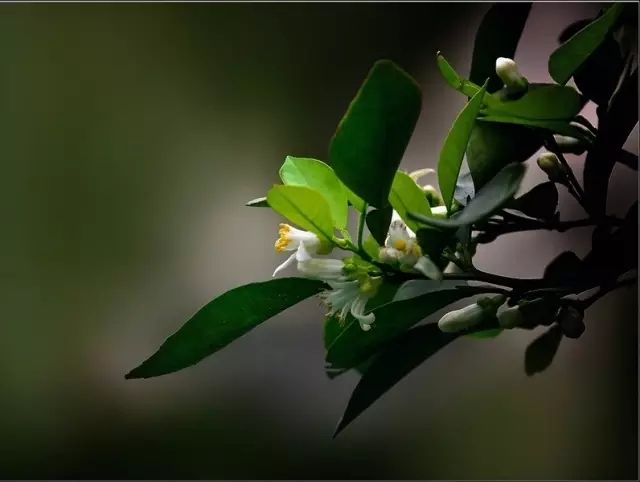
Precautions:
1. The soil used for sowing also has certain requirements. It must be well-drained, fertile sandy loam; the seeds should be covered with soil 0.4-0.5 cm thick, and the soil should be kept moist.
2. At the most suitable germination temperature of 22-25 degrees C, seedlings can emerge after about 20 days.
3. 7-10 days after emergence, thin the seedlings so that the young plants get enough growing space and sufficient sunlight, promoting strong seedlings.
4. When the seedlings have 4 true leaves, transplant them promptly to promote strong root development and expand the growing space for aboveground branches and leaves, which is beneficial for robust growth.
5. Fertilization of Daidaiflower: Daidaiflower has the habit of growing multiple times a year. In order to make the seedlings grow quickly and strongly, half a month after transplanting, apply a thin fertilizer once every half month. At first, use a fertilizer-to-water ratio of 2:8. As the seedlings grow, gradually increase the fertilizer concentration, but you must follow the principle of applying thin fertilizer frequently; the fertilizer must not be too concentrated, otherwise the plant will instead suffer fertilizer damage. With careful fertilizer and water management, it can grow to 25-35 cm in the same year, and after another 4 years of cultivation, it can bloom and bear fruit.