A Detailed Guide to Phlox Planting Methods and Techniques
Phlox, scientific name Phlox drummondii (annual phlox), also known as Drummond phlox, is an annual herb with upright stems that grow 15-45 cm tall. It prefers warmth and tolerates cold slightly, but cannot stand intense summer heat. Native to Mexico, it is cultivated in gardens throughout our country. Phlox plants are short and compact with rich flower colors, and can be used as planting material for flower beds, flower borders and rock gardens, or grown as potted plants for indoor decoration. Taller varieties can be used as cut flowers.
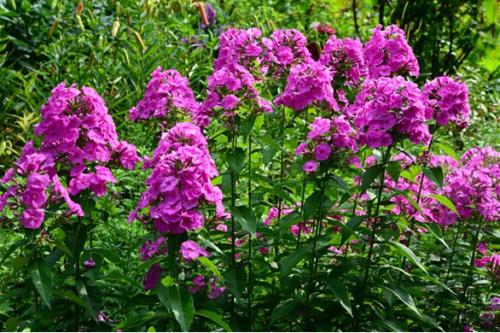
Propagation Methods of Phlox
Division Propagation
If you are growing it as a potted plant at home, you can choose the simple method of division propagation. Division is generally carried out in spring or autumn, which is its growing season. It has strong sprouting ability and frequently sends out side shoots during the growing season. We can dig up the mother plant and replant it, keeping the root system as intact as possible to improve the survival rate.
Cutting Propagation
Cutting propagation is also carried out during the growing season of phlox, roughly from May to June. We cut off the tender shoot tips and insert them into sandy soil, keeping the soil moist, and after quietly waiting half a month they will take root and sprout. On this basis, we pinch back the tips in spring to ensure dense flowering branches, though this may delay the flowering period.
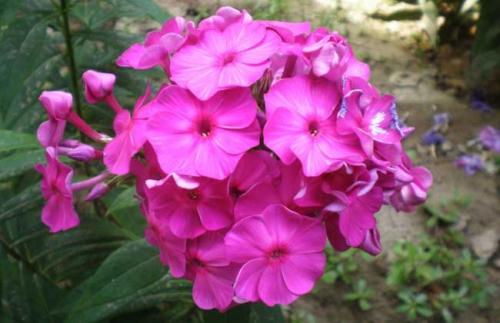
How to Grow Phlox
Light:Although phlox is an ornamental flower, its true origin is simply a wildflower by the roadside. It is often said that roadside wildflowers bloom beautifully with just a little sunlight, so we can confidently give it plenty of light, and appropriate shading is also beneficial to its growth.
Temperature:We can often see that on hot summer days, the phlox by the roadside has already drooped its head from the sun, showing that phlox is very intolerant of high temperatures. If the summer temperature exceeds 35 degrees, we must sprinkle water on it to cool it down, and when growing it indoors we must avoid direct sunlight. However, phlox is very cold-hardy, and in winter it can safely be left outdoors to overwinter.
Fertilizing:During its growing season, phlox has a relatively large demand for nutrients, so we should fertilize in time to provide nutrients and promote its flowering and growth. However, when fertilizing we should note that applying excessive nitrogen fertilizer may burn the roots, so when fertilizing we must be sure to add some phosphorus and potassium fertilizer and use less nitrogen fertilizer.
Pruning:When phlox grows to 15 cm, it should be pinched back once; at this time the top should be removed to promote branching, control plant height, and ensure a sturdy plant shape. After flowering, the stems and spent flowers can be pruned off and the branches appropriately trimmed to ensure that new branches can bloom a second time.