A Detailed Guide to Osmanthus Tree Planting Methods and Key Techniques
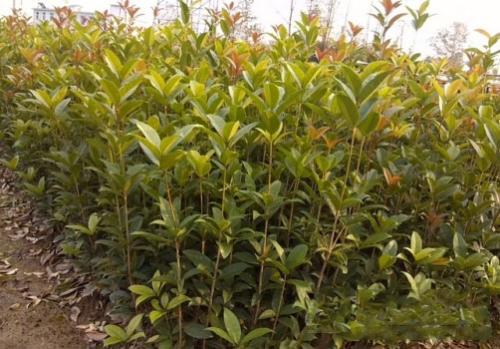
The osmanthus tree, also known as sweet olive, is an evergreen tree of the Oleaceae family. Osmanthus is a long-day plant that prefers to grow in full sunlight and in places with deep, fertile soil and good drainage; the soil should be slightly acidic, with a pH of 5.5-6.5. It dislikes alkaline soil and is intolerant of waterlogging and coal smoke. In the north it must be grown in pots and overwintered in a low-temperature greenhouse; a temperature of around 0°C will not harm potted osmanthus.

1. Growing Environment
Osmanthus trees can be grown either in pots or in the ground. How do you plant a potted osmanthus tree? First, you need to choose a suitable growing environment for it. Osmanthus trees like warm, sunny conditions and are not particularly cold-hardy plants. If it is a potted osmanthus kept indoors, it is best placed by a southeast-facing door or window, where it can receive the maximum amount of sunlight.
2. Soil
The growing soil for osmanthus trees should preferably be slightly acidic; heavily alkaline or heavy clay soil is not suitable for growth. You can use 4 parts leaf mold, 3 parts sandy soil, and 3 parts decomposed base fertilizer, plus a small amount of fish scales, then bone meal, and so on, mixed together. The slightly acidic soil made this way is exactly what osmanthus trees like. To maintain the slight acidity of the soil, you should also apply a 0.1%-0.2% ferrous sulfate solution every half month, which also benefits growth.
3. Light
How do you grow osmanthus trees in the hot summer? Summer is also the period when osmanthus flower buds form, and during this time it must be given about 10 hours of sunlight. Osmanthus is very tolerant of high temperatures and basically does not need shading; do not be afraid of it being scorched. Temperatures of 30-35°C can promote bud formation and increase the chance of flowering. In winter, also let it get as much sun as possible. Osmanthus is heat-tolerant but not cold-tolerant; if the temperature drops below 4°C and there is insufficient light, it will drop its leaves the following year and flowering will be affected. It also needs protection from wind, as winter wind is extremely harmful to osmanthus getting through the winter. In spring, do not move it outdoors too early either; it needs to adapt gradually to temperature changes so that its growth is not affected.
4. Watering
Since summer is the period when its flower buds form, and there is plenty of light, water consumption is correspondingly greater. Potted osmanthus must be watered generously, and the frequency must be increased compared with before. If the temperature has not reached 30°C, watering once a day in the evening is enough; once it goes above 30°C, water once each in the morning and evening every day, following the principle of not watering until dry, and watering thoroughly when you do.
Provide a little shade when the midday sun is at its strongest, and you can mist the plant lightly to keep it moist and prevent the leaves from being scorched. In midsummer there are sometimes rainstorms; if water accumulates in the pot, be sure to pour it out promptly, otherwise once the weather clears it can damage the roots and cause death. During the flowering period, do not water too much either, as this can easily cause the flowers to drop.
Before bringing it indoors in winter, water it thoroughly as well, and then water at noon on sunny winter days, about once every 10 days. Do not water with cold water; water at a temperature close to room temperature is best.