Detailed Guide to Chloranthus Planting Methods and Technical Points
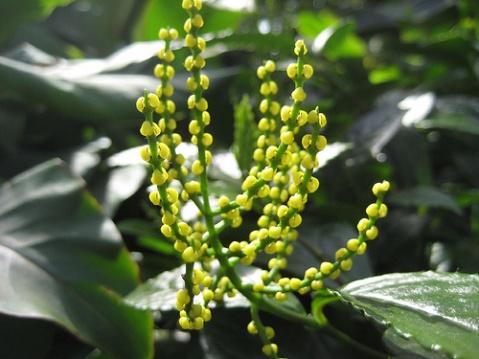
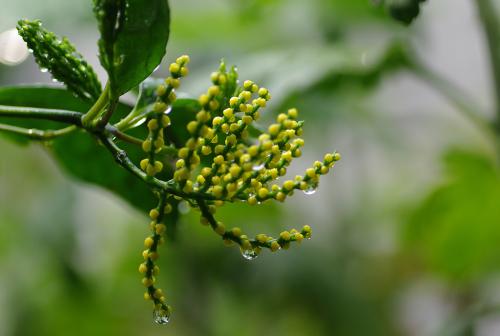
Chloranthus is named for its small flowers, which are yellow like millet and have a delicate fragrance like orchids. Its flowers are round like pearls and bloom at the same time as the Cymbidium ensifolium, with a similar fragrance, hence it is also called Zhulan, Zhenzhulan, Jizhaolan, and so on. Its flowers also resemble fish roe, earning it the name Yuzilan. Its leaves are shaped like tea leaves, and its flowers can be used to scent tea, so it is also called Chalan.
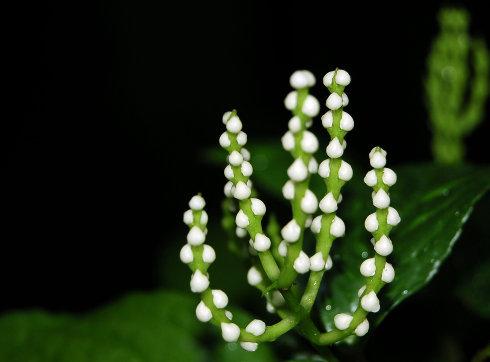
I. Introduction to Chloranthus
Chloranthus is a semi-shrub, erect or slightly prostrate, 30-60 cm tall; stems cylindrical, hairless. Leaves opposite, thickly papery, elliptical or obovate-elliptical, 5-11 cm long, 2.5-5.5 cm wide, apex acute or obtuse, base wedge-shaped, margin with crenate-serrate teeth, each tooth tip with a gland, adaxial surface dark green, glossy, abaxial surface pale yellow-green, lateral veins 6-8 pairs, slightly raised on both sides; petiole 8-18 mm long, base more or less connate; stipules minute. Flowers small, yellow-green, extremely fragrant.
II. How to Grow Chloranthus: Cultivation Methods and Precautions
1. Growing Environment
① Temperature: Chloranthus is a shade-loving plant and needs shading during the growing period; it dislikes direct strong sunlight. Its branches are soft, so when grown at home it is best to provide supports, and pinching should begin from the seedling stage. After flowering, some old branches should be thinned appropriately to promote new shoot growth and more branching. Chloranthus is not cold-tolerant, so in winter attention must be paid to cold and frost protection.
② Fertilization: Chloranthus likes fertilizer. In spring, just after it is moved outdoors, only dilute fertilizer should be applied, once every half month. During the growing period, apply once every 7-10 days, controlling the amount from less to more. From budding to flowering, apply once a week, and the concentration can be slightly stronger; well-rotted fish waste water or bone water can be used to promote abundant flowering and a rich fragrance. In autumn, resume fertilizing once every half month. After each fertilization, water and loosen the soil promptly.
③ Watering: For growing Chloranthus, it is appropriate to keep the potting soil moist, but avoid over-wetting. After Chloranthus is moved outdoors in spring, water once at noon each day. In summer, water once in the morning and once in the evening, and also spray the leaves before noon. When the weather turns cooler in autumn, water once every 2-3 days; in winter, keep the soil slightly moist. Chloranthus should be watered with clean water; turbid water is detrimental to root growth.
2. Ground Planting: It is best to choose slightly acidic sandy loam rich in humus. For container growing, a mixed substrate made from leaf mold, coarse sand, and garden soil can be used, with their proportions by volume preferably 1:1.5:1.50, and at the same time a small amount of bone meal can be mixed in, with the amount controlled at about 0.3% of the total volume of the growing substrate.
3. Planting Method: Chloranthus seedlings are mostly planted in spring and summer. It is best to choose a site with higher terrain, sheltered from wind, and with dappled shade. Dig holes at a row spacing of 50 cm and a plant spacing of 30 cm, plant one biennial seedling per hole, firm the seedling, cover with soil, press lightly, and water thoroughly. For potted planting, Chloranthus seedlings are mostly planted from March to May each year. It is best to give them a topdressing 3 days in advance. Medium or large flower pots can be used as containers. During operation, first place a small amount of potting soil, then put in the formed seedling and straighten it, fill with soil, press lightly, and leave a rim. Water an appropriate amount first, and do not fertilize within 4-6 weeks. Planting is best done in the evening, so that after a night of recovery, the plant can receive normal sunlight the next day.
4. Key Management Points: Chloranthus likes a moist soil environment, but during the vigorous growth stage the water supply should be ensured, while in winter watering should be controlled. The air should remain humid, avoiding excessive dryness. Its fertilizer demand is not high. In addition to applying base fertilizer at planting, topdressing should be carried out separately before the plant buds and after leaf fall. A trench can be opened near the plant roots, perpendicular to the crown, and an appropriate amount of fully fermented barnyard manure buried in it. Chloranthus likes dappled shade and dislikes direct sunlight; it is best to let the plant receive no less than 4 hours of scattered sunlight each day. It likes high temperatures and fears cold, growing well within a temperature range of 16-28°C. To make the plant full and shapely, pinch the growing tips when the seedlings reach 15-20 cm. After the plant grows larger, it is best to set up supports to secure it and avoid creeping growth. In actual cultivation, Chloranthus may be harmed by root rot and attacked by pests such as short-whiskered scale insects, brown soft scale, and aphids; if this occurs, timely control measures should be taken.
5. Planting Years: This plant is perennial and takes 5-6 years from propagation to formation. For ground-planted specimens, the ornamental period after formation can reach 20 years or even longer, so the planting time in the same spot is very long. For potted specimens, the best ornamental period after formation can reach more than 10 years; without repotting, continuous planting should not exceed 2 years. When the plant's growth weakens due to non-management factors, such as leaves gradually becoming smaller or reluctance to bloom, replacement of the plant should be considered, and at that time care should be taken to avoid continuous cropping.
6. Beautification Effect: Although Chloranthus grows relatively slowly, it has strong adaptability, especially since it is fairly shade-tolerant, so it can add rich greenery to places lacking direct sunlight.