Detailed Explanation of Planting Methods and Key Technical Points for Sacred Lily
Sacred lily, also known as Songshou orchid, bamboo-root seven, purple-clad grass, etc., is a perennial evergreen herbaceous plant of the genus Reineckea in the Liliaceae family. The plant has an elegant form and emerald green leaves, is cold-tolerant and shade-tolerant. Sacred lily is a perennial evergreen herbaceous plant.
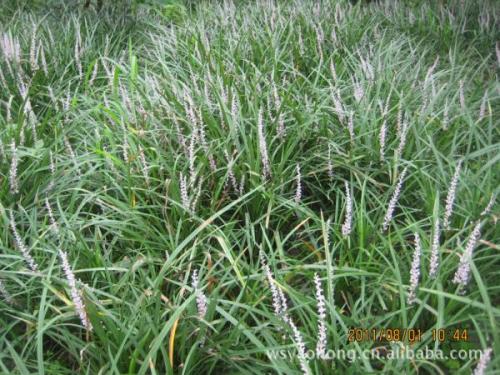
Growth habits of sacred lily
Sacred lily grows about 20 cm tall, with creeping underground rhizomes that root at the nodes. The leaves are band-shaped and lanceolate with acuminate tips. The scape emerges from the leaf cluster. The flowers are white inside and purplish-red outside, with a slight fragrance. The flowering and fruiting period is from July to November. It grows on shaded and humid mountain slopes, in valleys, or under dense forests, at an altitude of 170 to 3200 m. It prefers warm, humid environments, is relatively cold-tolerant and shade-tolerant, has low soil requirements and strong adaptability, and does best in well-drained fertile loam.
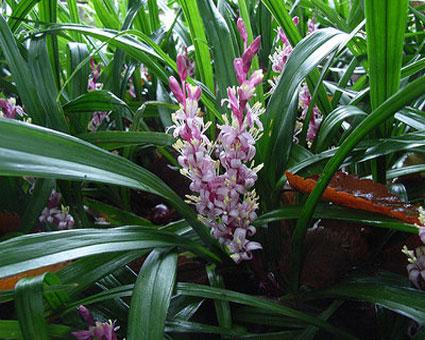
Cultivation methods for sacred lily
1. Soil: Sacred lily is not strict about soil and does best in well-drained fertile loam. A potting mix can be prepared with 2 parts leaf mold and 1 part each of garden soil and sand.
2. Temperature: Sacred lily prefers warmth and is relatively cold-tolerant. In warmer regions it can overwinter outdoors, while in cold northern regions it needs protection to overwinter in winter.
3. Watering: When the soil is too dry or the air is dry, leaf tips tend to scorch and wither. Therefore, keep the soil moist at ordinary times, spray water when the air is dry, and avoid direct strong sunlight in summer.
4. Fertilizing: After sacred lily sends out new leaves, apply manure once a month to make it grow more luxuriantly.
5. Sunlight: Sacred lily is vigorous in growth and can grow in full sun or deep shade, but semi-shaded and humid places are best. When light is too strong, the leaves are not green but yellowish; when too shaded, growth is weak and it cannot bloom. When placed indoors for viewing, keep the leaf surfaces clean. If the environment is too shady, also place it outdoors for a period every half month, then move it back indoors.
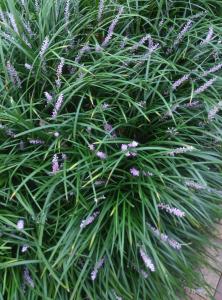
Field management