Detailed Guide to Planting Methods and Cultivation Techniques for Red-back Excoecaria
Morphological characteristics:
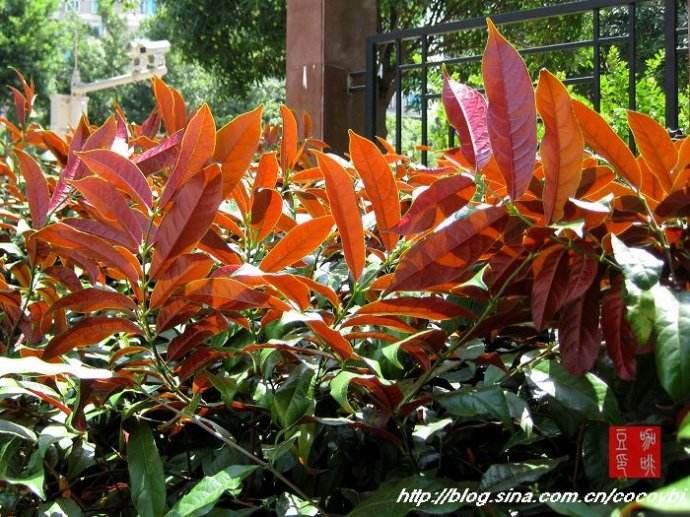
Red-back Excoecaria (Excoecaria cochinchinensis) is an evergreen shrub. Leaves opposite, rarely also alternate or nearly 3-whorled, papery, blade narrowly elliptic or oblong, 6-14cm long, 1.2-4cm wide, apex long acuminate, base attenuate, margin sparsely finely toothed, teeth 3-10mm apart, both surfaces hairless, upper surface green, lower surface purplish red or blood red; midvein raised on both surfaces, lateral veins 8-12 pairs, arcuately ascending, curved and arched to connect away from the margin, reticulate veins inconspicuous; petiole 3-10mm long, without glands; stipules ovate, apex acute, about 1mm long.
Capsule spherical, about 8mm in diameter, base truncate, apex sunken; seeds nearly spherical, about 2.5mm in diameter. Flowering almost year-round.
Characteristics:
Leaves resemble those of sweet osmanthus, upper surface oily green and glossy, bright green to emerald green, shiny, lower surface a rich deep blood red. The whole plant is toxic from top to bottom, with the milky sap being more toxic. Poisoning symptoms: Red-back Excoecaria belongs to the tumor-promoting category of plants, secreting tumor-promoting substances, and the soil in which such plants have been grown has also been detected to contain activating components of carcinogens. It can induce nasopharyngeal carcinoma and esophageal cancer. 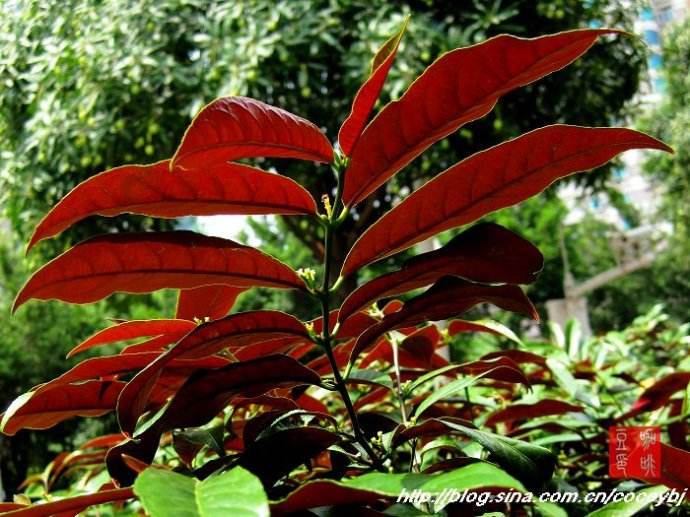
Propagation methods:
Cutting propagation
For Red-back Excoecaria, cutting in June-July is best. Cut mature branches 12-15cm long, keep the 2 leaves at the tip, remove the lower leaves, and after the milky sap at the cut has dried, insert into a sand bed, maintaining a room temperature of 20-25°C. Roots form after 30-40 days, and after 50 days they can be potted.