Planting Methods and Key Technical Points for Manglietia insignis
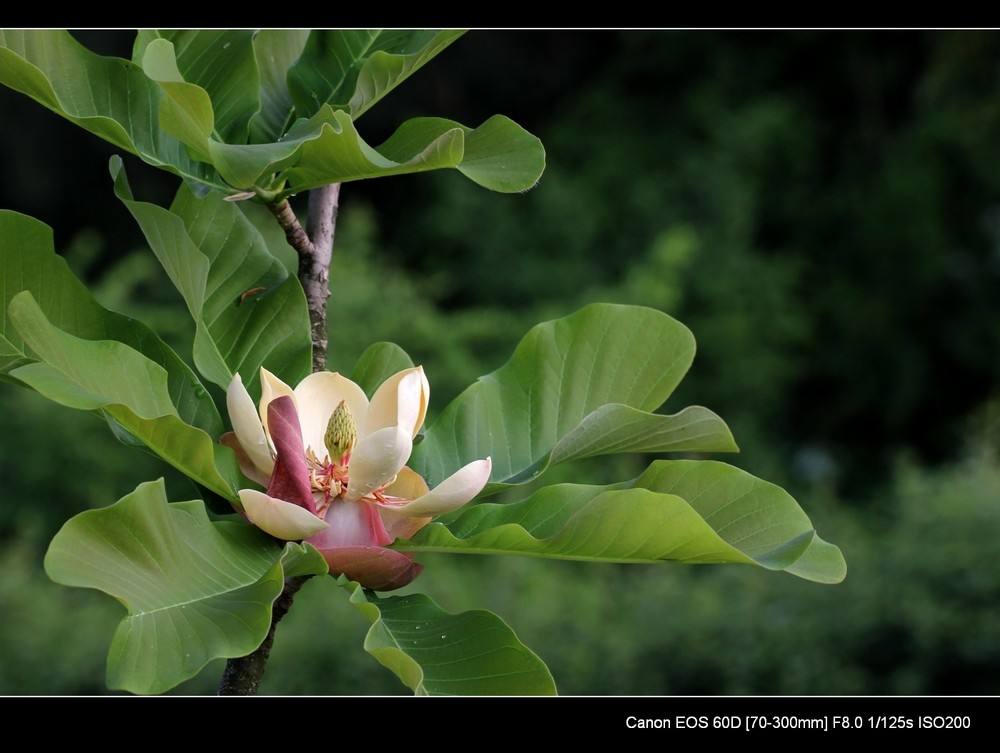
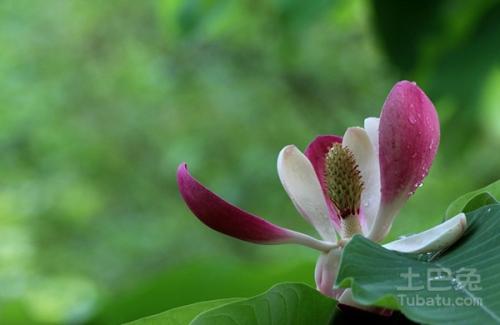
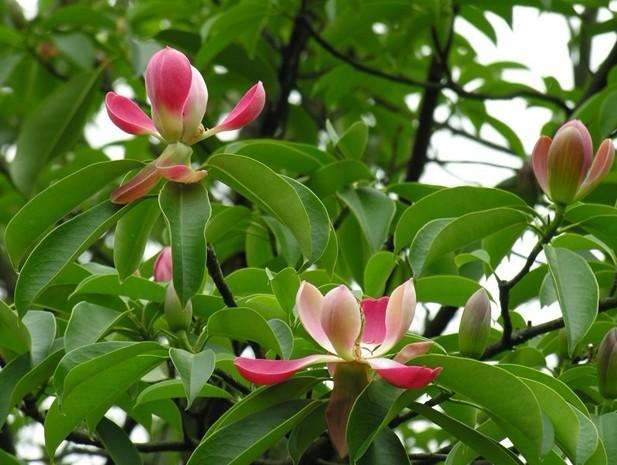
Manglietia insignis (scientific name: Manglietia insignis), also known as red manglietia, is a near-threatened species. It is an evergreen tree reaching up to 30 m tall, with a diameter at breast height of 40 to 60 cm. It generally changes its leaves in late spring, and bears fruit in alternate on-and-off years; its seeds are dispersed by birds. The flowering period is May and June, and the fruit ripens in August and September. Its leaves are deep green, elegant and leathery, simple and alternate, and are oblong-elliptic, oblong or oblanceolate in shape. The tree form is lush and graceful, and the flowers are brightly colored and fragrant, making it a rare and valuable ornamental tree species; it is listed as a national Grade 3 protected plant. It is distributed in parts of Hunan, Guizhou, Guangxi, Yunnan and Tibet at elevations of 900 to 2600 m in evergreen broad-leaved forests or evergreen and deciduous broad-leaved mixed forests.
Planting methods:
For planting Manglietia insignis, choose the lower middle slopes or valleys below 800 m in elevation, with relatively deep, loose, moist and fertile soil. It is not suitable to plant on ridges, hilltops, in poor soil or in strongly windy places. It can be used to create mixed forests of multiple tree species with camphor, sassafras, Michelia macclurei, sweetgum, masson pine and others; container seedlings are planted in May-June on rainy overcast days. After afforestation, the young stands are tended for 3 years, and after the stand closes, thinning is carried out in stages. Deep plowing for Manglietia insignis is an important cultivation measure; it can promote the development of the plant root system and enhance the plant's disease resistance.
Fertilization: Reasonable fertilization of Manglietia insignis can promote the growth and development of medicinal plants and enhance their resistance and ability to recover after being damaged by pests and diseases.
For example: applying sufficient organic fertilizer to Atractylodes macrocephala and appropriately increasing phosphorus and potassium fertilizer can reduce mosaic disease. However, the barnyard manure or compost used must be fully decomposed; otherwise, the surviving pathogens in the fertilizer and the eggs of underground pests such as white grubs are not killed, which can easily worsen underground pests and certain diseases.
Weeding, pruning and clearing the garden: Field weeds and the residues of medicinal plants after harvest that have been damaged by pests and diseases, as well as the fallen dead branches and leaves in the field, are often places where pests and diseases hide and overwinter, and are the source of pests and diseases the following year. Therefore, weeding, cleaning the garden and, in combination with pruning, burning or deeply burying pest- and disease-damaged residues and dead branches and leaves can greatly reduce the severity of pest and disease damage the following year.