A Detailed Guide to Phalaenopsis Planting Methods and Care Tips
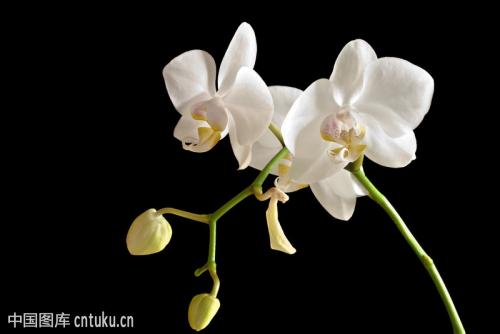
Phalaenopsis (Phalaenopsis aphrodite Rchb. F.) belongs to the genus Phalaenopsis in the orchid family. It is native to subtropical rainforest regions and is an epiphytic orchid. The thick white aerial roots of Phalaenopsis are exposed around the leaves; besides absorbing nutrients from the air, they also carry out growth and photosynthesis. In the New Year season, the Phalaenopsis plant sends out long flower stalks from the leaf axils and produces flowers shaped like dancing butterflies, which are deeply favored by flower enthusiasts and are known as the "Queen of Foreign Orchids."
Planting Methods
-
Soil
When growing Phalaenopsis at home, we need to choose loose, breathable soil. Ordinary flower soil from a flower shop will do, and a little corncob residue or pinecone residue can be mixed in. Phalaenopsis also needs a relatively large pot; one that is too small will affect its growth. Use more soil so that its roots can develop well and breathe, to prevent root rot.
-
Temperature
In my experience, the temperature cannot be too high. We can see that Phalaenopsis is mostly placed in large halls, and they are all shaded halls, where it grows quite well. I estimated that the temperature rarely exceeds 20 degrees, but the most suitable temperature is one where it does not feel cold. The temperature in my home is on the high side, around 23 degrees, but the Phalaenopsis still does not grow too badly. The main thing is that friends living in single-story houses in winter should pay attention to keeping Phalaenopsis warm.
-
Watering
Phalaenopsis needs frequent watering, but there must be no standing water. That is, as long as we ensure the soil drains well, we can guarantee there will be no standing water, but we must also ensure the soil is moist, and the soil's breathability must also be good, working together with watering to ensure the normal growth of Phalaenopsis and to prevent problems of water shortage or root rot caused by being too wet.
-
Ventilation
When Phalaenopsis is grown, its branches and leaves are relatively lush, and after flowering they are even denser. To ensure its normal growth, we need to keep it in a ventilated environment. Generally, a balcony is quite suitable, but we must pay attention to providing shade and it is best not to have direct sunlight. Also, with ventilation, Phalaenopsis is less likely to get sick, and its roots are less likely to rot.
-
Fertilizing
Phalaenopsis is a plant that likes heavy feeding. We need to ensure it has sufficient nutrients so that it can be lush and bloom fully. Generally, we can just buy special fertilizer directly from a flower shop. If you do not want to buy it, you can find some organic fertilizer, such as animal manure, but it needs to be decomposed and dried manure, or dead branches and fallen leaves can also be used as fertilizer. If it is not growing well, we can ask at the flower shop what is going on, and then we will know what fertilizer to use.
-
Support
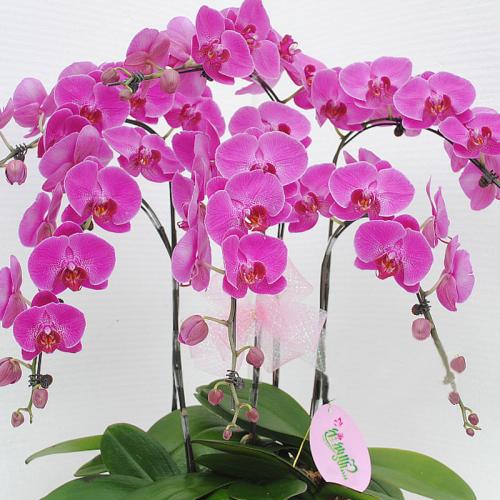
The flowering stem of Phalaenopsis is relatively long, so we need to give it support to let it grow upward, and let it spread out in all directions at the top. We just need to tie the stem of the Phalaenopsis to the support. When it blooms, there are leaves below and flowers above, which is very beautiful. If we do not provide support, the stem of the Phalaenopsis will fall over, which looks very bad, and the ventilation effect is also not good.