Detailed Guide to Planting Methods and Key Technical Points for Purple-Leaf Barberry
Purple-leaf barberry (scientific name: Berberis thunbergii var. atropurpurea Chenault), also known as: red-leaf barberry, belongs to the family Berberidaceae and the genus Berberis. It is native to southern Northeast China, North China and the Qinling Mountains. It mostly grows at forest edges or in open sparse woodland at an altitude of about 1000 m. It is a deciduous shrub with clustered branches; young branches are purplish red or dark red, while old branches are grayish brown or purplish brown. The leaves are small and entire, rhombic or obovate, purplish red to bright red, with a slightly lighter color on the underside. It blooms in April, with yellow flowers. The fruit is elliptical, and when ripe it is a brilliant, beautiful red.
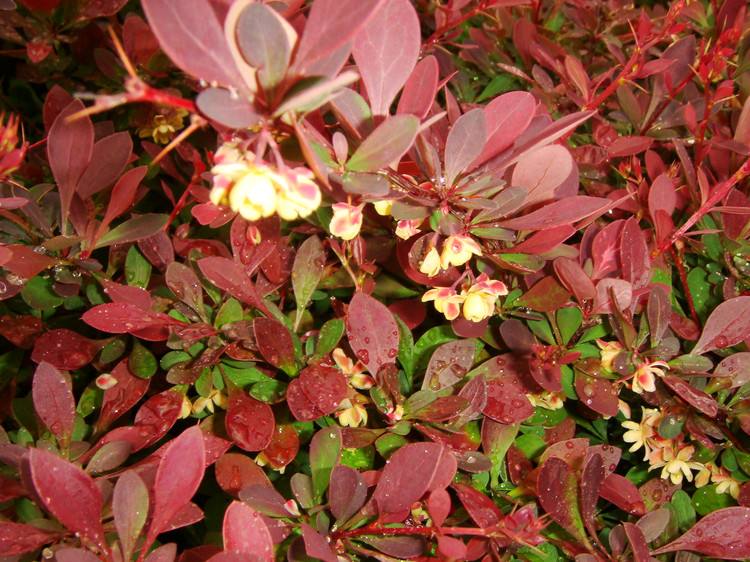
Purple-leaf barberry has strong adaptability, prefers sun, and tolerates partial shade, but when the light is slightly poor or the planting density is too high, some leaves will turn green again. It is cold-hardy, but not afraid of hot, high temperatures, and tolerates pruning. In landscaping it is often used with evergreen tree species for block color arrangements, and can be used to lay out flower beds and flower borders, and is an important tree species for color-block combinations in landscaping.
1. Beautifying the environment
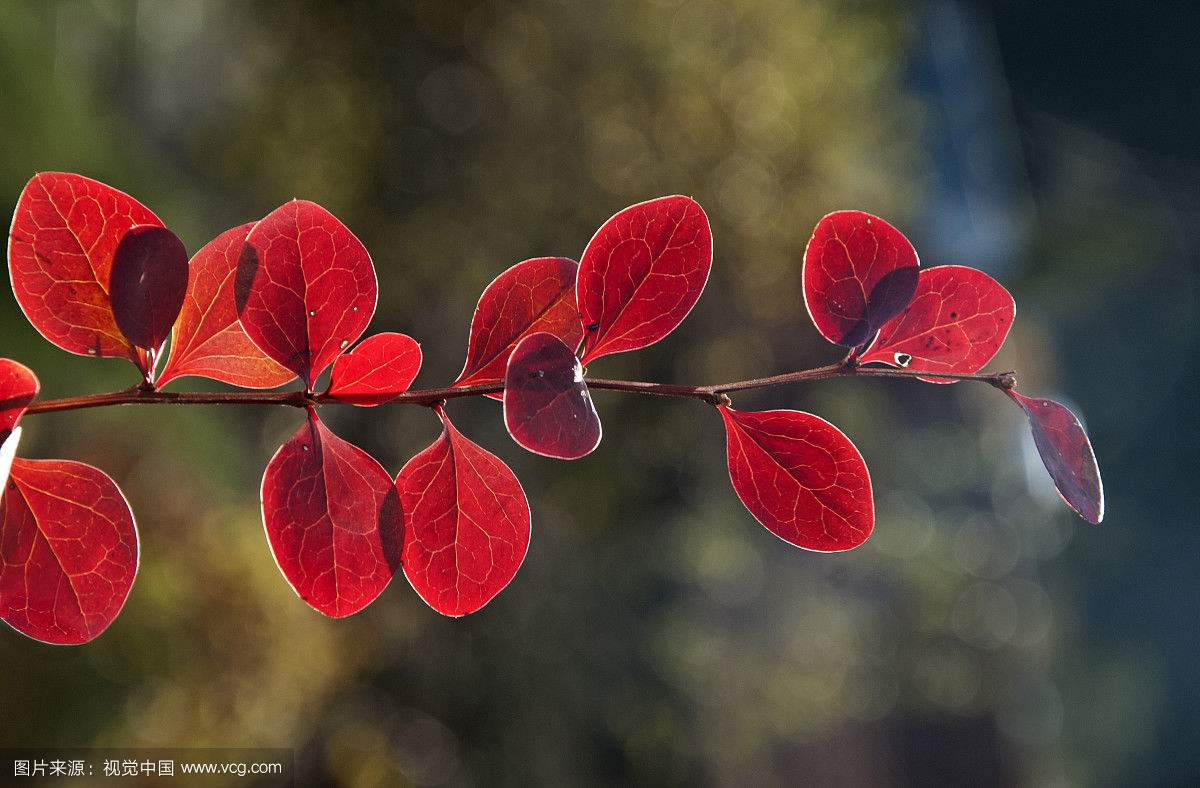
Beautifying the environment is one of the main uses of purple-leaf barberry, because its branches are slender and dense, and in spring it produces beautiful small yellow flowers; after autumn its leaves turn red, and the fruits it bears are also bright and beautiful. It is an ornamental plant that combines foliage, flowers and fruit in one, and planting it in natural settings can beautify the environment and provide ornamental value.
2. Making traditional Chinese medicine
Making traditional Chinese medicine from purple-leaf barberry is also one of its important uses, because it is itself a medicinal plant. Its branches, bark and roots can all be processed into Chinese medicinal materials, and it is a common medicine for treating human conjunctivitis and gastritis. In addition, purple-leaf barberry contains some natural berberine, which is an important raw material for the drug huanglianasu (berberine), so processing berberine from purple-leaf barberry is also one of its important uses.
3. Landscape construction
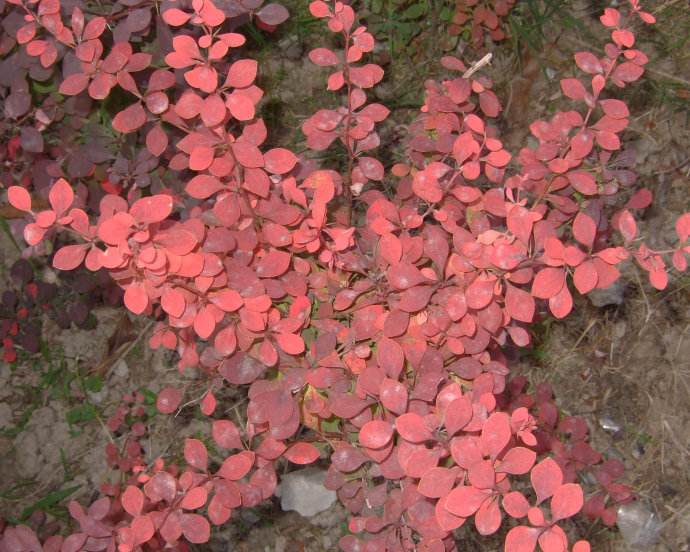
Purple-leaf barberry is often used in landscape construction in various places in nature. It is an important tree species for color-block combinations in greening, and using it to lay out flower beds and flower borders looks especially good. In addition, when people use purple-leaf barberry to build garden scenic areas, it is best to pair it with green tree species, so that red and green set each other off and make the completed garden landscape especially beautiful.
4. Decorating indoor environments
In daily life, purple-leaf barberry is also often used to decorate indoor environments. Usually, after cutting off the branches that bear fruit, people insert them into vases and place them in the desired indoor positions, which can produce an obvious decorative effect. In addition, purple-leaf barberry can also be made into potted plants and placed indoors or in an entrance hall, which can make the indoor environment cozier and more elegant and give the interior a faint natural atmosphere.