Detailed Explanation of Red Magnolia Planting Methods and Techniques
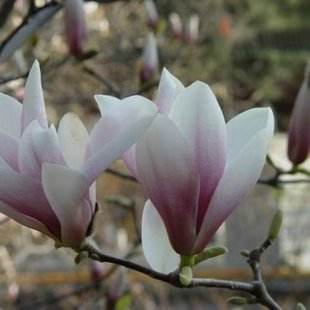
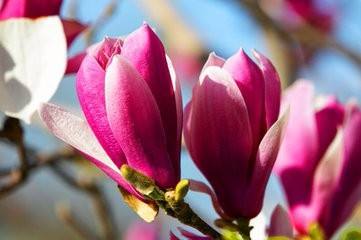
As a common ornamental tree for landscaping, the red magnolia is greatly loved by people. The red magnolia blooms with red flowers in early spring; when planted together with the white magnolia and the purple magnolia, it looks even more vividly fresh and lovely, forming a pleasant early-spring scene in the city.
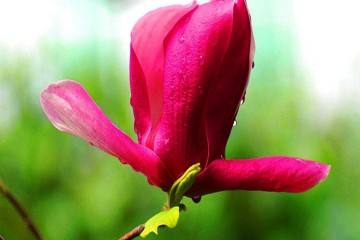
1. Red magnolia seedling raising and transplanting: after the saplings emerge, during the midsummer of the 1st to 2nd year, appropriate shading is needed; after winter begins, cold protection is also needed in northern regions. When transplanting, do not damage the root system; when planting large saplings, keep the soil ball, dig large holes, and apply deep fertilizer; appropriately deep planting can suppress sprouting and is beneficial to growth. The best transplanting time is before sprouting, or before the flowers have just faded and leaves have not yet unfolded.
3. Water management for red magnolia: summer is the growing season for magnolia. High temperatures and drought not only affect vegetative growth, but can also cause flower buds to shrink and drop, affecting flowering the following year. Therefore, irrigation to preserve soil moisture should be emphasized, especially in key scenic areas, where the soil should be kept consistently moist.
5. Pest and disease control for red magnolia: at the seedling stage, root rot and underground pests such as white grubs should be prevented; the stems and trunks may be damaged by longhorn beetles; in midsummer, red spider mites should be prevented.