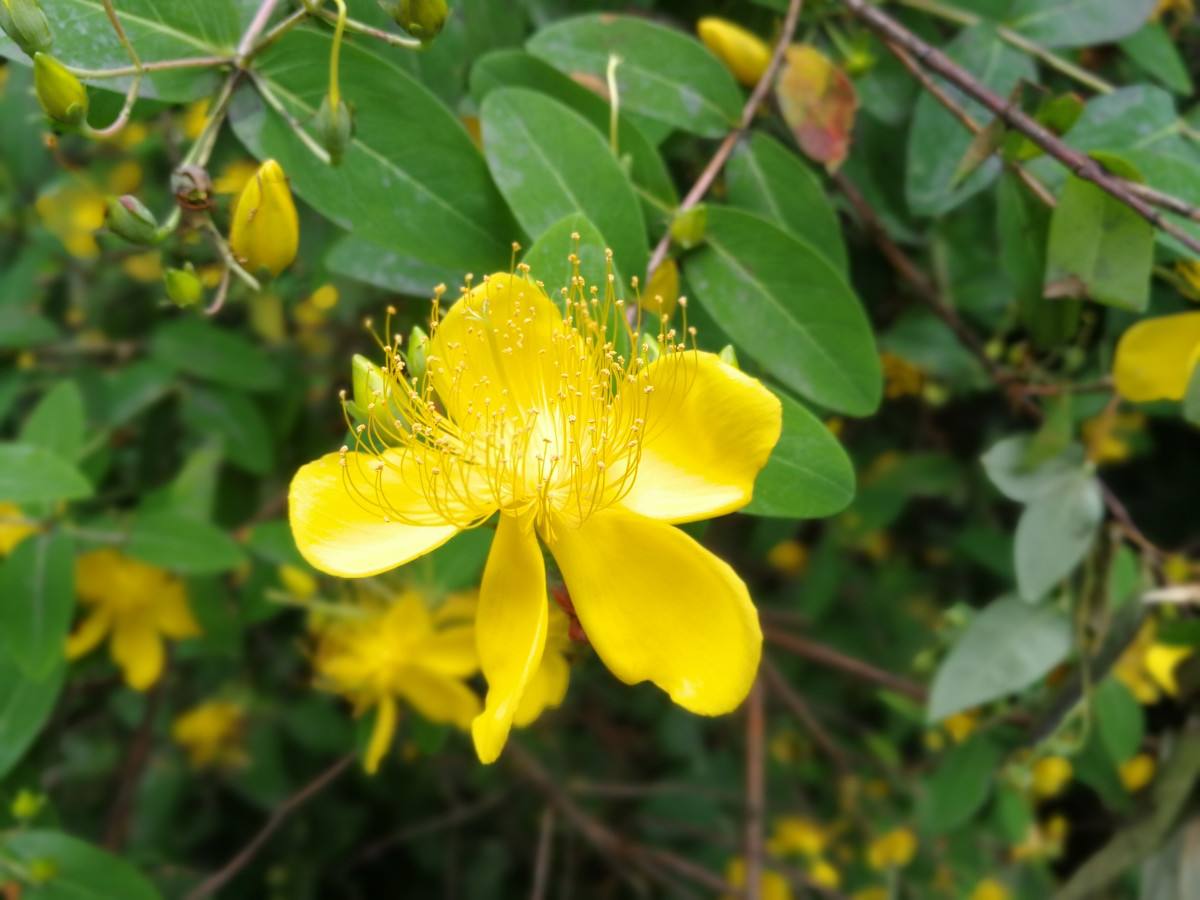
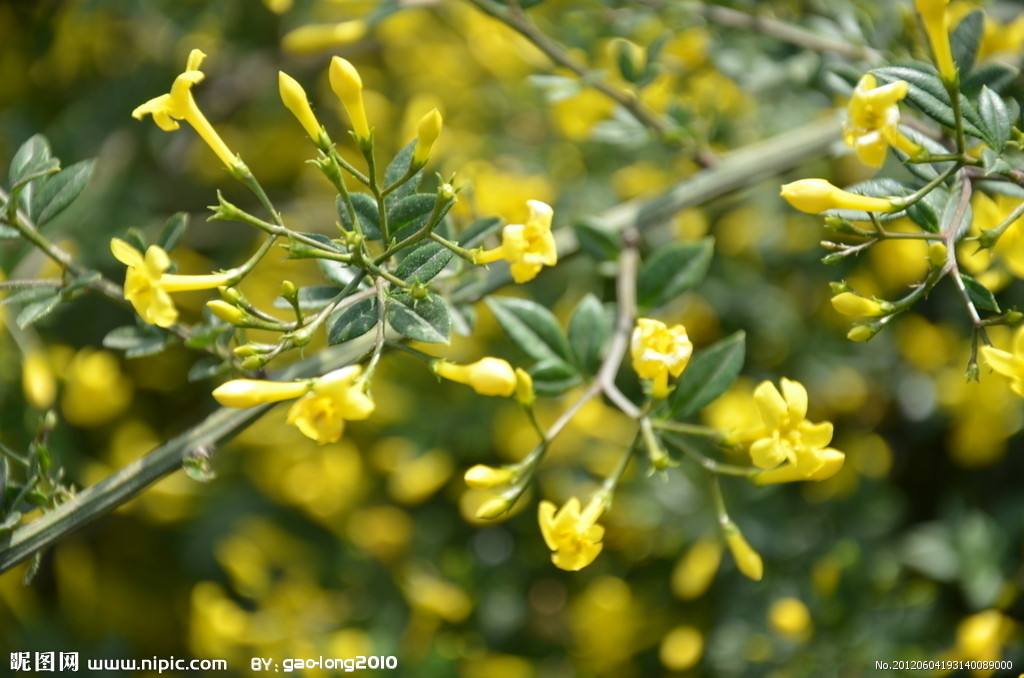
Caragana, also known as yellow sparrow flower, native soybean, sticky sock, sauce petal, sun sparrow flower, and yellow thorn, grows on hillsides and in shrub thickets. It is distributed on sunny slopes in the hilly and mountainous areas of the Yangtze River basin and North China. It is light-loving and often grows in sunny spots on hillsides. Its root system is well developed and bears root nodules; it is drought-tolerant and poor-soil-tolerant, and can grow in cracks between rocks. It dislikes waterlogging. Both its sprouting capacity and suckering capacity are strong, and it can reproduce naturally by seed. It grows even better in deep, fertile, moist sandy loam. It is a shrub, 1-2 m tall. The bark is dark brown; the branchlets are angular and hairless.
Propagation Methods
Caragana can be propagated by sowing, cuttings, division, layering, and other methods. For sowing, it is best to sow as soon as the seeds are collected; if they have been stored dry, the seeds should be soaked to promote germination before sowing the following spring. For cuttings, hardwood cuttings can be taken in February to March, or softwood cuttings can be taken during the plum rain season. The cuttings should be cut into 8-12 cm lengths and inserted halfway. After inserting, set up a shade frame for shading and water moderately. After rooting, remove the shade frame so the plants receive full light and grow vigorously, resulting in a relatively high survival rate. Division propagation is carried out in spring from February to March.
Caragana is generally propagated by sowing. Caragana seeds mostly mature in early August. When the fruits turn dark yellow, they should be picked promptly; if picked too late, the seeds will scatter as the pods burst and will be difficult to collect. Place the collected seed pods in the sun to dry so the seeds naturally separate from the pods. After cleaning the seeds, store them in a clean cloth bag in a shaded, ventilated place. In mid-March of the following year, soak them in 45°C warm water for 48 hours before sowing.
Select fertile, flat, well-drained sandy loam as the nursery site, and apply decomposed and fermented cow and horse manure as base fertilizer at a rate of 3500 kg per mu. The base fertilizer should be mixed evenly with the nursery soil, then after sun-drying treatment, rake it fine and level it, and disinfect the seedbed with quintozene. Broadcasting can be used for sowing, with a seeding rate of 20 g to 25 g per sq m. After sowing, tread lightly with the feet and spray water once.
During seed germination, keep the soil moist. After the seedlings emerge evenly, irrigate once every 5 to 7 days, watering thoroughly each time. Irrigation should preferably be done in the morning or evening. When the seedlings grow to about 20 cm, thin them. Thinning should be carried out on cloudy and rainy days and done carefully to avoid damaging other seedlings.
To promote faster seedling growth, apply urea once in mid-June and a phosphorus-potassium fertilizer once in early August, and water promptly after topdressing. Transplanting can be done after two years.
Cultivation Techniques
Planting Methods
Caragana can be planted in both spring and autumn. The spring planting period is from late March to mid-April, and autumn planting should be carried out from mid-November to early December. Before planting, dig the planting holes as required. The planting holes are generally 0.8 m x 0.8 m, with a depth of no less than 0.8 m. When digging, keep topsoil and subsoil in separate piles. At planting, use decomposed and fermented cow and horse manure as base fertilizer. The base fertilizer should be mixed thoroughly with the planting soil to prevent excessive heat release from burning the roots. The planting depth should be appropriate; generally, for bare-root planting, a depth 2 cm to 3 cm above the original soil mark is sufficient. When backfilling, first return the topsoil, then the subsoil, and tread firmly layer by layer. After planting, water immediately for the first watering, water again after 5 days, and a third time after 10 days. After that, water according to soil moisture conditions, always keeping the soil at a mostly moist state.
Water and Fertilizer Management
Caragana tolerates relatively extensive management. It can enter the normal maintenance period in the second year. For watering management, pay attention to watering well for the green-up water and the freeze-up water. At other times, unless it is too dry, there is generally no need for special watering, and it can grow relying on natural rainfall. However, note that in the rainy season, standing water should be drained promptly to prevent root rot caused by waterlogging. Applying farmyard manure once each spring is sufficient.
Shaping and Pruning
Caragana management is relatively extensive, and special pruning is generally not needed. In daily maintenance, it is mainly enough to keep the canopy ventilated and light-permeable. Dead branches, diseased and pest-infested branches, overly dense branches, crossing branches, overlapping branches, and leggy branches can be cut off at any time.