A Complete Guide to Bird of Paradise Planting Methods and Care Tips
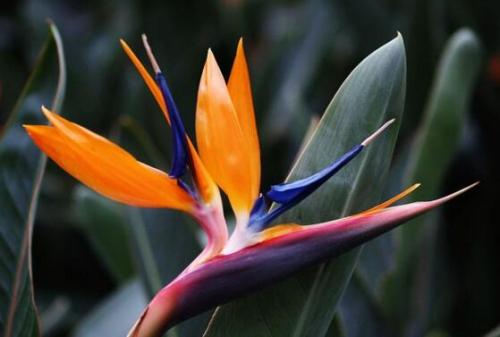
The bird of paradise, also known as the crane flower (Strelitzia reginae), is a light-loving plant native to southern Africa. It is a perennial herbaceous plant with no stem. The leaves are oblong-lanceolate, 25-45 cm long and about 1 0 cm wide, with an acute apex and a rounded or wedge-shaped base, and the lower edges are wavy; the leaf stalks are slender.
Planting Methods
1. Light
It is a subtropical plant that prefers a sunny, well-ventilated, warm and humid environment. It is drought-tolerant and tolerant of partial shade. Generally, it should be placed in a well-ventilated, well-lit spot with a certain amount of spatial humidity; if there is not enough sunlight, poor ventilation, and no certain spatial humidity, the plant may turn yellow and dry out, leading to pest and disease problems, and eventually death.
2. Watering
If it is planted in a pot and water is not supplied for a long time, the plant will wither from lack of water. Therefore, observe it promptly and water according to how dry or moist the soil is, keeping the soil moist. Water until water seeps out of the drainage holes at the bottom of the pot, but do not give half-hearted watering (that is, wet on top and dry at the bottom). After one watering, wait until the soil surface turns pale and the top layer of soil is dry, then water a second time; never wait until the entire pot of soil is completely dry before watering. In hot seasons, frequently spray water on the leaves or the surrounding environment to lower the temperature and increase air humidity. Water less often in winter and spring, and more often in summer and autumn.
3. Fertilizing
It does not like heavy fertilizer; applying just over 10 granules of compound fertilizer each month is enough. When fertilizing, bury the fertilizer into the soil along the edge of the flower pot, and water immediately after fertilizing. The main components of the fertilizer are nitrogen, phosphorus and potassium.
4. Pruning
Turning a wild stump into a bonsai is a process in which pruning is a very important step. In the first year, first build up its root base and nurture its vitality, only removing buds that are in the wrong position; only in the second year, after the branches have grown thick and woody, may you use the shears. Pruning should be the main method, with tying and binding as a supplement. Pruning once a year is appropriate; for vigorous plants, you may prune twice, and once the forked branches growing from the shortened branches are thick and strong, prune again. Repeat this process, and if you prune properly and skillfully, within four years a fine bonsai will appear in your hands.