A Detailed Guide to Hyssop Planting Methods and Key Technical Points
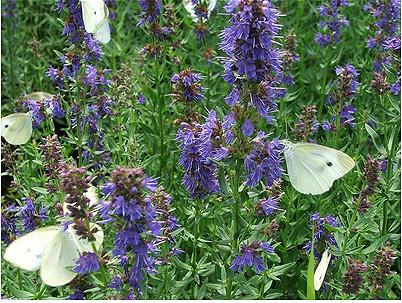
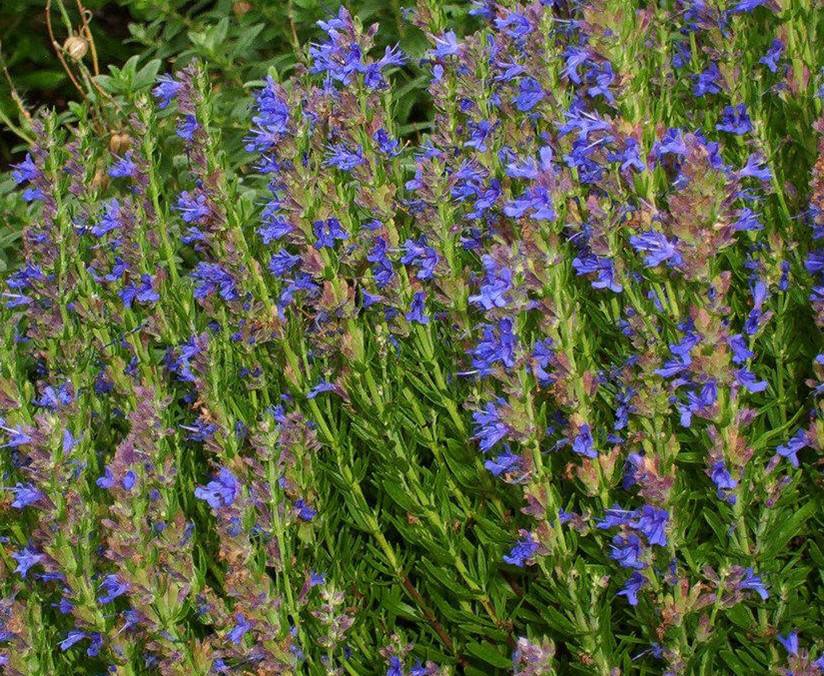
Hyssop (Hyssopus officinalis) is a perennial dicotyledon subshrub of the mint family (Lamiaceae), genus Hyssopus; its English name is Hyssop. Hyssop has been cultivated in Europe since ancient times, where it is popular as an aromatic vegetable, and it is well known in India as a medicinal plant. In various tropical regions it is grown as a flavoring at high altitudes. The Japanese name Yanagihakka (willow mint) was given because its leaves are shaped like willow leaves.
Cultivation and Propagation
1. It likes full sun; when grown outdoors, plenty of sunlight is best.
2. Moderate watering: when the potting soil gradually dries, water thoroughly each time. Well-drained, nutrient-rich soil is best; waterlogging easily causes root rot (root death).
3. Low humidity growing environment: most herbs prefer a cool, dry environment, and overwintering on the plains is difficult; at such times place them in a shaded spot, and after the autumn cool, prune and repot them and start growing again.
4. High fertilizer requirements: herb plants grow very quickly, so they need large amounts of fertilizer; apply a three-element fertilizer at least every 15 days.
5. Regular pinching: pruning: herbs grow very fast, and at about one chi (approximately 33 cm) tall they can be pinched or pruned, which favors side bud growth and makes the plant lush.
6. Propagation: seasons with plenty of sunlight and little rain are more suitable for growing herbs, with a growing temperature of about 15-30°C. Methods such as sowing, cuttings, division, and layering can be used. For perennial herbaceous herbs such as lemongrass, dividing the plants every year will produce better growth and a higher essential oil yield. Others, such as thyme and mint, which root easily, can be propagated in large numbers by layering.
Key Care Points
- It likes full sun; when grown outdoors, plenty of sunlight is best.
- Moderate watering: when the potting soil gradually dries, water thoroughly each time. Well-drained, nutrient-rich soil is best; waterlogging easily causes root rot (root death).
- Low humidity growing environment: most herbs prefer a low-temperature, dry environment, and overwintering on the plains is difficult; at such times place them in a shaded spot, and after the autumn cool, prune and repot them and start growing again.
- High fertilizer requirements: herb plants grow very quickly, so they need large amounts of fertilizer; apply a three-element fertilizer at least every 15 days.
- Regular pinching and pruning: herbs grow very fast, and at about one chi (approximately 33 cm) tall they can be pinched or pruned, which favors side bud growth and makes the plant lush.
- Propagation: seasons with plenty of sunlight and little rain are more suitable for growing herbs, with a growing temperature of about 15-30°C. Methods such as sowing, cuttings, division, and layering can be used. For perennial herbaceous herbs such as lemongrass, dividing the plants every year will produce better growth and a higher essential oil yield. Others, such as thyme and mint, which root easily, can be propagated in large numbers by layering.
- Pests and diseases: herb plants themselves have an insect-repelling effect, so pest and disease problems are not serious and pesticides are largely unnecessary; the more plants and varieties grown, the more obvious the insect-repelling effect.
- Harvesting: generally long-day herbs are harvested before overwintering; note that for perennial herbs, continuous harvesting prevents flowering.