A Detailed Guide to Shell Flower Planting Methods and Key Techniques
Shell flower, also known as collar flower or elephant's ear, is an annual or biennial herbaceous plant of the genus Moluccella in the mint family (Lamiaceae). It is deeply loved for its graceful appearance, and its charming floral meaning makes it a top choice as a gift. So how should it be cultivated?
Planting Methods
Shell flower is propagated by sowing seeds, which can be done in spring, summer, or autumn. The optimal sowing temperature is 15-25°C, and germination takes about one week. Seedlings can be transplanted once they have 5-6 true leaves. The best growing medium is fertile, loose, well-drained loam; the soil should not be too clayey, otherwise the plants will not thrive and will grow slowly. Begin fertilizing after the transplants have established, once every half month, and stop fertilizing after flowering. Pinching can be done to encourage branching.
It grows vigorously and rarely suffers from pests or diseases, but watch out for leafminer damage. For ornamental purposes, seeds can be sown in staggered batches.
The shell flower has a unique flower shape and is elegant and attractive. It is a popular filler material for flower arrangements worldwide, and can also be used as a dried flower or grown as a potted ornamental.
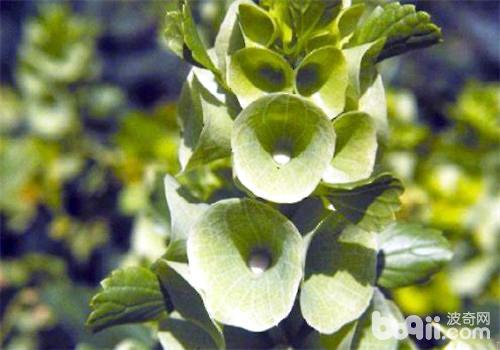
The seeds of the shell flower are triangular. After sowing, seedlings emerge in about 1 week. The seedlings grow very slowly, producing true leaves only after 20 days, and remaining small even after more than 1 month. It takes about 2 months or more before they start to take shape, and flowers can be seen at around 3 months. The small trumpet-shaped parts are its sepals; the small white flowers are arranged in whorls of six, resembling a collar, which is why it is also called collar flower.
Form: plant height 40-70 cm, leaves opposite, nearly round or ovate, with serrated margins.
Small white flowers, axillary, with very large calyces, emerald green, shell-shaped.
Flowering period: blooms from spring to autumn
Sunlight: requires good sunlight
Management: use fertile loam as the growing medium, with good drainage.
When seedlings reach 10-15 cm tall, pinch once to encourage branching.
It prefers warmth, with an optimal growing temperature of 15-25°C.
Fertilizing: apply a top dressing once a month
Propagation: by sowing, can be sown in autumn, winter, or early spring.