Bitter melon is also a common vegetable. Although many people dislike its bitter taste, after years of cultivation, many varieties of bitter melon have had their bitterness removed. Combined with its excellent heat-clearing and internal-heat-reducing effects, it remains very popular in summer.
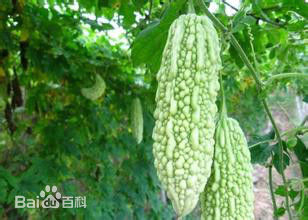
Planting Methods
1. Seed Treatment
Anyone who has eaten bitter melon knows that the seeds have a sticky, gummy coating on the surface and a relatively hard outer shell, so seed treatment is the first step in planting. Soak the bitter melon seeds in warm water at 50-60 degrees for about 20 minutes; this not only softens the outer shell but may also kill some bacteria. Then soak them in warm water at 20-30 degrees for 12 hours, remove the seeds, wipe off the sticky coating on the surface, wrap them well in a wet towel, and place them in an environment at around 30 degrees to germinate.
2. Sowing
Bitter melon has strong adaptability and does not demand much from the soil, but it grows well and yields more in fertile, loose soil. After 2-3 days of germination, the seeds can be sown. Generally, direct sowing in the open field is used. Before sowing, dig the planting holes about 2-3 cm deep, place 1-2 seeds in each hole, and do not cover with too much soil; a shallow covering of 0.5-1 cm is sufficient.
3. Fertilizer and Water Management
Bitter melon has a high demand for fertilizer and water. During the seedling stage, growing period, and fruiting period, it needs a large amount of water, and the soil should be kept moist at all times. Especially during high-temperature periods, it should be watered both morning and evening. Bitter melon has only moderate tolerance to waterlogging, so do not apply too much water at one time. During prolonged rainy or heavy rain weather, drainage measures should be taken to ensure the field is not flooded. When planting at low temperatures, pay attention to controlling water to increase the plant's cold resistance. During the growing and fruiting periods, bitter melon is generally top-dressed with fertilizer once a week, which can promote plant growth and fruit production.
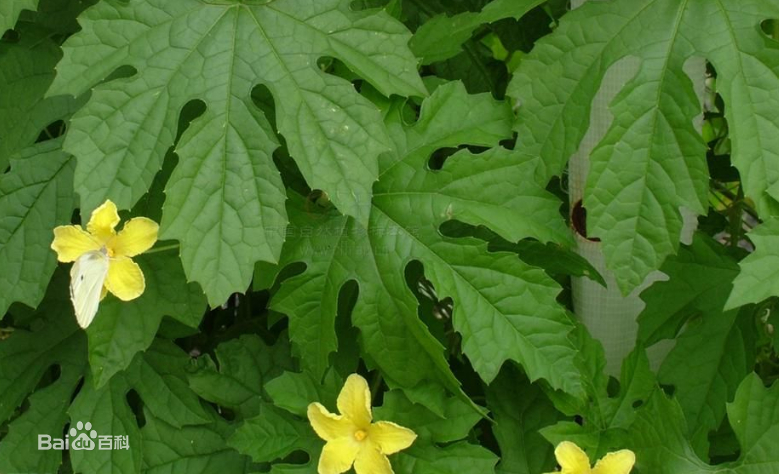
Nutritional Value
Clearing heat and detoxifying: Bitter melon can dispel restlessness and heat from the heart and remove toxins from the body. The best way to eat bitter melon is still as a cold salad. A cold salad can well preserve the vitamins contained in bitter melon. If stir-frying is used, these vitamins will be largely lost during the stir-frying process, and the oil content after stir-frying is relatively high, so people will intake more grease after eating it and it will not have the effect of cooling and reducing internal heat.
Beautifying the skin and keeping it tender: Regularly eating bitter melon can enhance the vitality of the skin layer and make the skin delicate, tender, and healthy. Fresh bitter melon pounded into juice or decocted as a soup is an excellent auxiliary dietary remedy for red eyes due to liver fire, stomach duct pain, and damp-heat dysentery; fresh bitter melon pounded and applied externally can treat carbuncles and boils; in summer, children are prone to prickly heat, and wiping the prickly heat on the body with sliced bitter melon can help it heal sooner; boiling bitter melon in water or preparing it as a dish can dispel heat and relieve summer heat.
Lowering blood sugar: Clam and bitter melon soup is a top-grade dish for lowering blood sugar. Crude bitter melon extract contains substances similar to insulin and has a clear blood-sugar-lowering effect. Traditional Chinese medicine holds that bitter melon is sweet, bitter, cold, and cooling in nature and flavor, and can clear heat, relieve restlessness, and quench thirst; clam meat is sweet, salty, and cold, and can clear heat, nourish yin, quench thirst, and promote urination. Used together, they clear heat and nourish yin and are suitable for diabetic patients with stomach yin deficiency accompanied by heat.
Nourishing blood and tonifying the liver: Bitter melon tastes bitter; when raw it is cold in nature, and when cooked it is warm in nature. Eaten raw, it clears summer heat and purges fire, relieves heat, and removes restlessness; eaten cooked, it nourishes blood and tonifies the liver, moistens the spleen and tonifies the kidney, and can remove pathogenic heat, relieve fatigue, clear the heart and brighten the eyes, boost qi, and strengthen yang. However, when eating bitter melon, care should also be taken not to damage the qi of the spleen and lungs. Although the summer weather is hot, people should not eat too much bitter-flavored food, and it is best to pair it with pungent-flavored foods (such as chili peppers, pepper, scallions, and garlic). This can prevent the bitter flavor from entering the heart and helps tonify lung qi.