Detailed Explanation of Kumquat Planting Methods and Key Technical Points
Kumquat (Latin scientific name: Fortunella margarita (Lour. ) Swingle), a plant under the genus Fortunella in the family Rutaceae, also known as golden jujube, golden tangerine, and small orange. Kumquat is an evergreen shrub. It grows 3 m tall, generally without thorns, with green branchlets that branch abundantly when nutrients are sufficient; leaves are lanceolate to long elliptic, 5-9 cm long, with entire margins, and petioles slightly winged; flowers are small, white, fragrant, borne 1-3 per leaf axil, with 5 petals, 20-25 stamens, and a 5-loculed ovary; the fruit is elliptic or obovate, 2.5-3.5 cm long, golden yellow; the one with spherical fruit belongs to the Japanese kumquat (F. japonica).
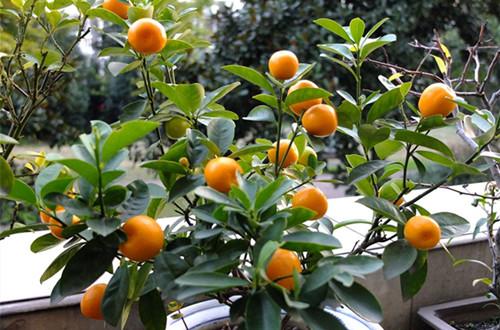
How to grow kumquat
1. Light: Kumquat prefers a warm and humid climate. In daily care, it should be placed in a sunny place, otherwise flowering and fruiting will be affected, branches and leaves will grow excessively, and ornamental value will be reduced. In summer, be careful not to place it where sunlight is too strong; in winter, it is best to keep the room temperature from freezing so the plant can fully go dormant, and the following year it can bloom abundantly.
2. Pruning: Pruning kumquat is an important measure for maintaining its ornamental value. Reasonable pruning can help the plant concentrate nutrients to bear more fruit and give it a beautiful tree shape; when pruning, pay attention to removing dead branches and diseased branches, and also prune overly dense or overly long branches. You can keep several vigorous branches from the previous year, leave a few buds on each branch, and then apply a quick-acting phosphorus fertilizer once; after flowering and fruiting, keep two or three fruits per branch, and one on weak branches. Prune autumn shoots in time to avoid a second fruiting, which can ensure the fruit is consistent in size and degree of ripeness.
3. Watering: Kumquat likes moisture. In windy spring, besides watering the pot, you can spray water on the leaves to increase leaf humidity; if the potting soil is too dry, it will cause flowers and fruit to drop, so it is best to keep the potting soil neither dry nor wet.
Precautions for kumquat
Water accumulation in the kumquat pot is taboo, as it easily causes root diseases and flower and fruit drop. Just keep the potting soil moist. During the flowering season, water carefully, prevent the flowers from being exposed to rain, and provide good conditions for pollination. Kumquat should not be placed indoors for a long time, to avoid affecting flower bud differentiation. In the north, kumquat can be watered once a week with fertilizer water, or watered with 200-250 times diluted vinegar water, which can make the leaves dark green and produce more fruit.