Detailed Explanation of Sweet Pepper Planting Methods and Key Technical Points
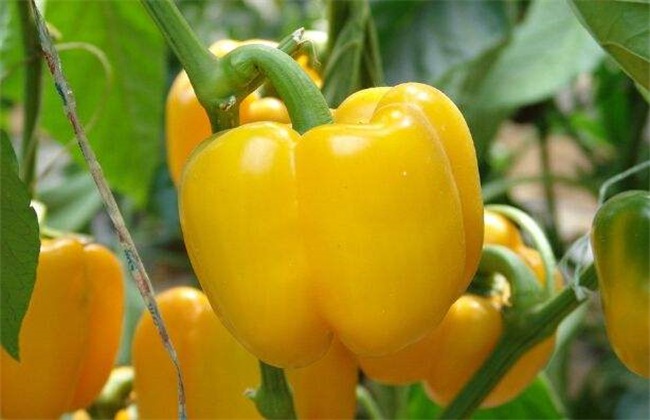
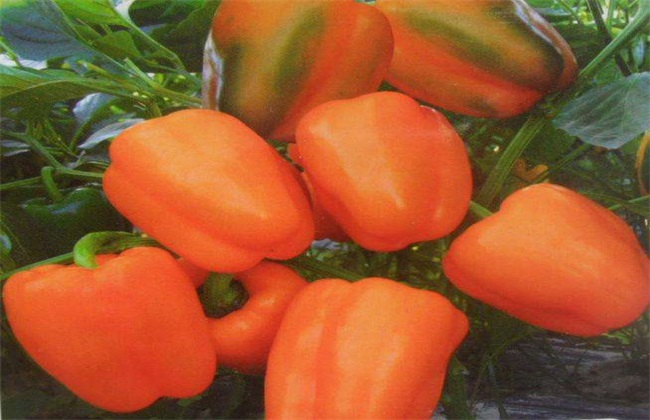
Sweet pepper (scientific name: Capsicum annuum var. grossum), commonly known as bell pepper, tomato pepper, or sweet pepper, and also called "datongzai" in Taiwanese Hokkien, is a variety of chili pepper in the genus Capsicum of the nightshade family. It is distributed across both northern and southern parts of mainland China and belongs to the "non-artificially introduced and cultivated" type of plant. Compared with ordinary large peppers, it tastes non-spicy or extremely mildly spicy. It is best to choose sweet peppers with firm skin and a glossy surface. Sweet pepper is a vegetable very suitable for eating raw, containing rich vitamin C and B vitamins and carotene as strong antioxidants, which can help resist cataracts, heart disease and cancer. The redder the sweet pepper, the more nutrients it contains, and its vitamin C content far exceeds that of other citrus fruits, so it is more suitable for eating raw. Sweet pepper can also relieve heat, relieve pain, prevent cancer, increase appetite, aid digestion, lower blood lipids and help with weight loss. Because of its bright green color, and because newly bred varieties also come in red, yellow, purple and other colors, it can not only be served as a dish on its own but is also widely used as a side ingredient.
Planting Time
The best temperature for sweet pepper seeds to germinate is around 15 to 30 degrees. The planting time for sweet peppers can therefore be chosen according to temperature. Secondly, because there are certain differences in climate and temperature among regions of our country, there is no clearly fixed regulation for the planting time of sweet peppers. For early-maturing sweet peppers, we can plant from late December each winter to January of the following year, and we can also plant in August each year, both of which are acceptable, because planting can be carried out as long as the temperature is suitable.
Planting Methods
1. Land preparation and fertilization
Before sowing, we need to first prepare the land. Sweet pepper is more suitable for planting in fertile sandy soil containing more organic matter. Of course, loess or black soil can also be chosen. Secondly, the soil viscosity should not be too high, especially soil that cannot drain after rainfall must absolutely not be used for planting. When preparing the land, we should first evenly spread a layer of livestock manure, then fill in any hollows in the field, and break the soil clods into fine pieces. Finally, make ridges and furrows according to a width of 60 cm and a height of 30 cm, and then wait for sowing.
2. Sowing and raising seedlings
Generally, sweet peppers need to be sown and raised as seedlings first, and then transplanted, because the growth speed of sweet peppers varies, so raising seedlings uniformly is beneficial for our later field management. Before raising seedlings, we need to first use warm water to promote germination of the seeds. The water temperature must not be higher than 50 degrees. Soak for about one day, then remove and rinse clean with clear water, and place in a suitable environment for germination. Generally, sowing can be carried out after about 3 to 5 days. When sowing, first wet the seedbed, then evenly scatter the seeds, then cover with a layer of organic decomposed fertilizer, and finally a layer of plastic film can also be used to cover it to keep warm and retain moisture.
3. Reasonable planting
Under normal circumstances, seedlings will emerge in about 5 days, and then when the sweet pepper seedlings grow to about 15 cm, we can transplant them. We dig out the cultivated sweet pepper seedlings together with the soil, which can increase the survival rate, and then plant them at a spacing of about 30 cm between rows and about 25 to 30 cm between individual plants. After planting, if the temperature is relatively low, plastic film can also be used to keep warm. Secondly, after planting, watering is needed, which is beneficial for root growth.
4. Field management
About one week after planting, we should observe the growth situation of sweet peppers in the field. If there are missing or dead seedlings, we should timely replant seedlings for final planting. About 7 to 10 days after final planting, we need to carry out the first hoeing and weeding, and combine it with fertilization. This fertilization is to promote the growth of sweet pepper seedlings, so we generally use manure and urine water and add an appropriate amount of urea for irrigation. Before sweet peppers enter the flowering period, one more loosening of the soil and weeding is needed. After entering the flowering period, carry out the second fertilization, mainly with potassium fertilizer and phosphorus fertilizer, applied by spraying. Finally, when the sweet peppers are about the size of a thumb, we need to spray an appropriate amount of foliar fertilizer. Each fertilization must be combined with watering, which is beneficial for the absorption of nutrients and for diluting the nutrient concentration, so that sweet peppers can grow better.