White Orchid Tree Planting Methods and Care Tips Explained in Detail
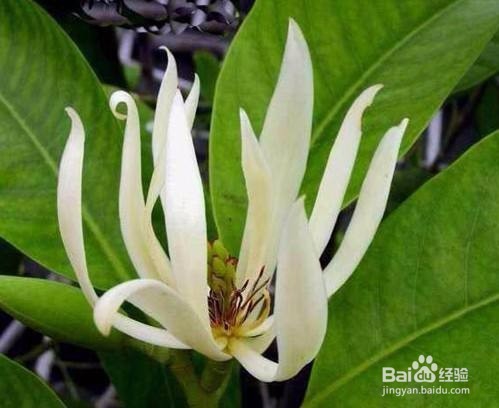
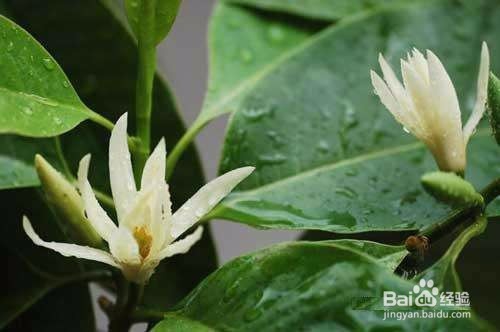
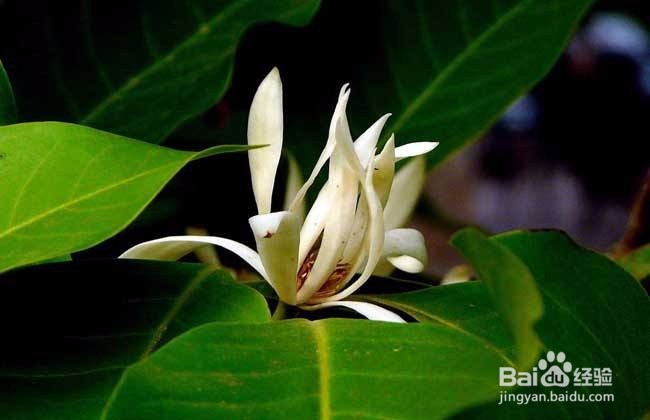
White orchid tree (scientific name: Michelia alba DC.): an evergreen tree, up to 17 m tall, with widely spreading branches and a broad umbrella-shaped crown; trunk diameter at breast height 30 cm; bark gray; crushed branches and leaves aromatic; young branches and buds densely covered with pale yellow-white fine pubescence, hairs gradually falling off when old. Leaves thinly leathery, oblong or lanceolate-elliptic, glabrous above, sparsely covered with fine pubescence below, reticulate veins on both sides very obvious when dry. Flowers white, extremely fragrant; tepals 10, lanceolate; pistil carpels numerous, at maturity, as the receptacle extends, forming an aggregate fruit of loosely arranged follicles; follicles bright red when ripe. Flowering period April-September, blooming profusely in summer, usually not setting fruit.
Propagation
Grafting, cuttings, layering, and sowing are the most commonly used propagation methods for the white orchid tree, among which grafting and layering are used the most.
Layering is suitable from June to July, using the air layering method while keeping the plant moist; roots will form in about 2 months.
For grafting, the rootstock should be a 2-year-old branch; during the plum rain season, take a branch of the same thickness as the rootstock; after grafting is completed, it can heal in about 60-70 days, and then it can be cut away from the mother plant.
Potting soil
For home potting, the choice of soil should emphasize air permeability and looseness, and it should also be rich in humus.
Flower pots such as clay pots, purple clay pots, and plastic pots with more bottom holes will have better air permeability, and granular soil of varying sizes is more conducive to water drainage and air movement.
Repotting
The size of the flower pot needs to be chosen according to the crown size and tree age of the white orchid tree, so that the plant's growing environment can be more suitable.
Repot when the potting soil is slightly dry; the specific method is to slowly tilt or invert the pot, supporting the pot while firmly holding the plant, then tip out the white orchid tree and move it into a new pot.
If replacing it with a new pot, first scatter a small amount of loose soil and base fertilizer into it, then water thoroughly, and once it has settled in after planting, it will be fine.
Planting location
The time to move potted white orchid trees outdoors is March-April each year, and placing them in a spot with sufficient light is enough.
During high summer temperatures, measures should accordingly be taken to cool and care for the white orchid tree using shade netting or a simple shade shed, so that while the white orchid tree receives sufficient light, it can also avoid excessive direct strong light and prevent sunburn damage to the branches and leaves of the white orchid tree.
Pruning
When pruning the terminal buds and cutting back some side branches, attention should be paid to choosing the height; a suitable pruning position will promote side branches, flower buds, and flowering.
Before placing the white orchid tree indoors, the dry, leggy, diseased, and overly dense branches need to be cut off to reduce nutrient consumption to a minimum; when placed outdoors, old leaves at the base of the branches can be removed as appropriate, which is beneficial for stimulating the growth of new branches.
Fertilizing
Only with sufficient fertilizer can there be many flowers and a strong fragrance. In addition to applying enough base fertilizer, from mid-April, decomposed cake fertilizer water or human waste should be applied 3-4 times each month; when entering the flowering period, the fertilizer concentration can be appropriately increased, and a complete-element compound fertilizer mainly based on phosphorus should be supplemented 2-3 times each month, and phosphate fertilizer can also be directly scattered on the surface of the potting soil, according to the size of the pot, 30-100 grams per pot, allowing it to seep into the roots with watering.
Watering
The white orchid tree has fleshy roots and is most afraid of waterlogging; the slightest negligence in watering can cause disease or root rot. But it is also afraid of drought; in summer, as long as watering is slightly delayed, the leaf margins become scorched like ginger and may even burn the tender shoots. Poor growth and yellowed leaves are often caused by improper watering, and diseased plants are even harder to deal with. Therefore, watering must be strictly controlled; when the potting soil is not dry, by no means water it. Summer and autumn are the peak growth seasons for the white orchid tree; when the weather is hot, water demand is high, so generally water fully in the early morning, and in the evening, depending on the dryness and wetness of the potting soil, appropriately water once more as a supplement. After mid-September, reduce the amount of water. In summer and autumn, do not let water accumulate in the pot after rain.
Temperature
The white orchid tree is susceptible to cold damage, so temperature is the key to whether the white orchid tree can safely overwinter; areas outside South China must bring it indoors for care in winter, and the room temperature should at the lowest remain above 5°C, until the Qingming and Guyu periods, when it can be placed outdoors again.
During high-temperature summer weather, effective measures should be taken to help the white orchid tree cool down.
Light
Although the white orchid tree needs sufficient light, in summer it is best placed under a shaded flower shed; when the light is suitable, move the shade away, and when there is strong light at noon, return the shade to its original position.
When placing the white orchid tree indoors, priority should be given to a light-transmitting position with abundant sunlight.
Pest and disease control
Common white orchid tree diseases include chlorosis, root rot, and anthracnose, etc.
Before diseases occur, enhance plant resistance through ventilation, loosening the soil, and controlling watering; after diseases occur, immediately carry out scientific spraying of medicinal liquid.
Common pests include red spider mites, scale insects, and aphids, etc.
Before pest outbreaks, frequently spray water to raise humidity for prevention; after pests occur, when the degree is mild, the leaves can be rinsed with clean water, and when severe, insecticide needs to be sprayed.