A Detailed Guide to Catnip Planting Methods and Technical Points
Catnip (Nepeta cataria L.), also known as fragrant catnip, linear catnip, four-angled stalk mugwort, and false perilla, is a perennial plant of the Lamiaceae family and the genus Nepeta. The stem is sturdy, woody at the base, much branched, 40-150 cm tall, nearly four-angled at the base and bluntly four-angled above, with shallow grooves, covered with white short soft hairs. Its dried stems, leaves, and flower spikes are used medicinally. The fresh tender shoots are best for calming children; catnip leaves are yellow-green, the stem is square and slightly purplish, the cross-section is yellow-white, and the spikes are slightly black-purple to yellow-green. The taste is mild, the nature is warm, it is non-toxic, and it has a strong fresh fragrance.
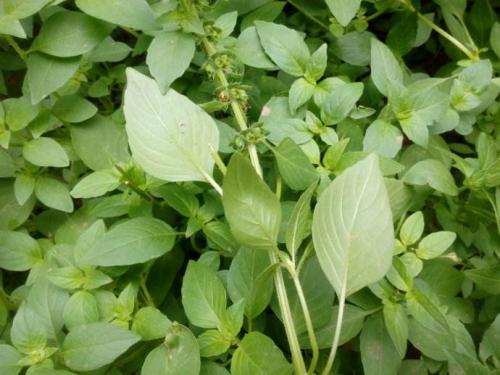
Cultivation techniques for catnip:
Seed soaking and sowing
Before sowing, the seeds should be screened to pick out impurities and damaged seeds, then soaked in water for 12-24 hours, taken out and dried in a ventilated, dry place. This can speed up the seeds' internal metabolism, enhance their vitality, and increase the germination rate. Because catnip seeds are tiny, to make sowing more even, wait until there is no water on the seed surface, then mix in an appropriate amount of fine sand or fine soil. The ratio of seeds to sand and soil is 3:1. After stirring evenly, they can be sown. On the seedbed, use a tool to open furrows along the bed, with a furrow spacing of about 20 cm and a furrow depth of about 5 cm. Sprinkle the seeds into the furrows. Usually, the seeding rate is about 1 kg per mu.
After sowing, cover with soil 1-2 cm thick, press down slightly with the foot, then level with an iron rake so that the seeds make close contact with the soil. Water after sowing to keep the seedbed soil moist, which helps emergence. When the ground temperature after sowing is 16-18°C, emergence takes 10-15 days. If the ground temperature is 19-25°C and the humidity is suitable, emergence takes about 1 week. Before and after emergence, the soil should also be kept moist.
Thinning and final thinning
When the seedlings are 6-10 cm tall, thin out the dense weak seedlings and small seedlings. When the seedlings are 10-15 cm tall, leave 2-3 plants per spot at a row spacing of 10-15 cm for final thinning. If there are gaps, the larger and stronger seedlings that were thinned out should be transplanted with soil. It is best to transplant on cloudy days and avoid doing so when the sunlight is strong. When transplanting seedlings, bring as much original soil as possible. After filling the gaps, water promptly to help the seedlings survive.
Fertilization, drainage, and irrigation
During the seedling stage, catnip needs more nitrogen fertilizer. To encourage sturdy stalks and many spikes, phosphorus and potassium fertilizer should also be appropriately applied as a top dressing. When the seedlings are 15-20 cm tall, scatter some chemical fertilizer along the rows, applying 10-15 kg of urea and 25-40 kg of cake fertilizer per mu as top dressing. During the seedling stage, water frequently to promote growth. After the plants mature, their drought resistance increases, and irrigation may no longer be needed. However, if there is a long summer drought with no rain, and the soil moisture content is below 8%, and the plants appear wilted, light watering should be carried out, and the amount of water each time should not be too large. During this period, catnip is most afraid of waterlogging. If there is too much rain, promptly drain the accumulated water in the field to avoid causing disease. When the seedlings are 20-25 cm tall, apply an additional 10 kg of potassium chloride in opened furrows, then earth up after application. When the seedlings are more than 30 cm tall, broadcast 60 kg of decomposed cake fertilizer per mu, and a small amount of phosphorus and potassium fertilizer can also be applied. In July, catnip enters the late growth stage. At this time, field management is generally not carried out, and it is allowed to grow naturally. This can inhibit reproductive growth, favor vegetative growth, and improve yield and quality.
Harvesting and processing
For harvesting stems and leaves, it is best to do so in summer when the plants are booting but have not yet headed. For catnip spikes, it is best to harvest in autumn when 50% of the seeds are mature and 50% are still flowering. Choose a sunny day after the dew has dried, cut the whole plant with a sickle and dry it in the shade; this is whole catnip. Pick the flower spikes and dry them, and they are called catnip spikes. The remaining aboveground parts are harvested from the base of the stem and dried, and these are called catnip stems. When harvesting the medicinal material, seed plants must be selected and retained, and harvesting should be done after the seeds are fully mature. Dry them in a half-shaded, half-sunny place. After drying, thresh them, remove impurities such as stems and leaves, and store them.
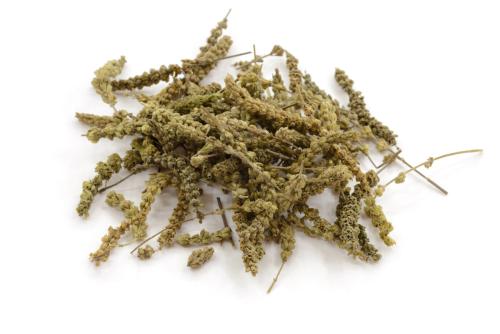
Effects and functions of catnip
1. Catnip helps promote sweating and helps fever patients reduce their fever as quickly as possible. Taking one dose of catnip decoction before bed, sweating for a while, and then sleeping will make you feel much lighter all over after waking up.
2. Calms phlegm and expels phlegm. Catnip has relatively strong antibacterial and anti-inflammatory effects. Therefore, if there are symptoms of cough with abundant phlegm, catnip combined with white alum and decocted can effectively expel phlegm and relieve cough symptoms.
3. Dispels wind and cools the blood. Catnip is slightly warm but not harsh, and its medicinal nature is mild, so it can effectively relieve wind-cold symptoms.
4. For women, the hemostatic effect of catnip can effectively relieve postpartum dizziness due to blood loss.
5. Catnip has a pungent dispersing effect and is often used together with mint to treat measles with poor eruption. The medicinal value of catnip is to release the exterior and disperse wind, promote eruption, and reduce sores. It is used for colds, headaches, measles, rubella, and the early stage of sores and ulcers.