Detailed Guide to Asparagus Fern Planting Methods and Care Tips
Asparagus fern (scientific name: Asparagus setaceus (Kunth) Jessop), also known as cloud pine, spiny asparagus, cloud bamboo, mountain grass, and chicken feather mushroom. It is a climbing plant, reaching a height of 3-6 m. The roots are slightly fleshy and slender. The stem branches profusely, and the branches are nearly smooth. The cladodes usually cluster in groups of 10-13, bristle-like, slightly triangular, 4-5 mm long; the scale-like leaves have a slightly spiny spur at the base or the spur is inconspicuous. The flowers are usually borne 1-3 (-4) per axil, white, with short pedicels; the tepals are about 7 mm long. The berry is about 6-7 mm in diameter, purplish-black when ripe, and contains 1-3 seeds.
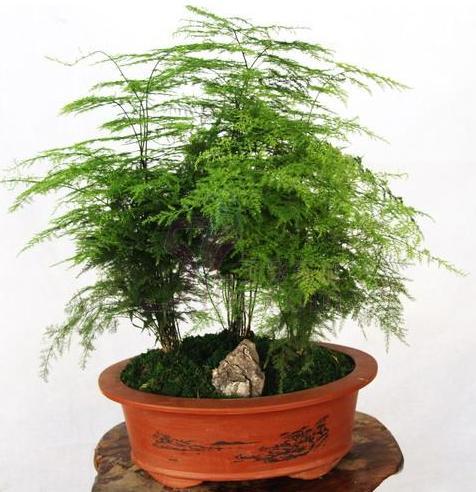
The most common propagation method for asparagus fern is cuttings, but there are certain conditions for rooting asparagus fern cuttings. If the temperature is very low when taking asparagus fern cuttings, it will affect their survival, and the survival rate will gradually decline. The best temperature for asparagus fern cuttings is between 20°C and 30°C. Choose cuttings with more leaves, make a small cut on the stem, then apply moss-type plants to it. Place it in a fairly ventilated spot, and it takes about ten days. In this environment, we need to provide a good humid environment for the asparagus fern. After about ten days, you can see the formed shapes, and then simply cut off all the resulting berries. Find a cloth bag, fill it with some loose soil, poke some small holes in the top of the bag, then insert the cuttings through the small holes, place it into the pot soil, and fill with soil; it does not need to be pressed too tightly.
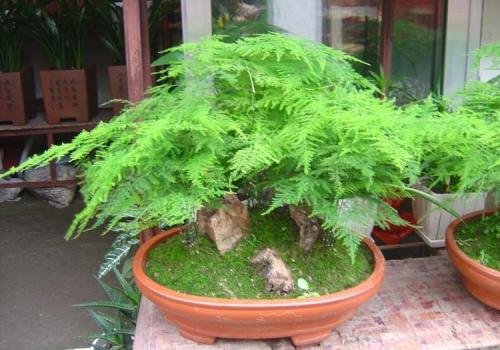
After taking asparagus fern cuttings, we begin sowing. First, you must wait until the seeds become soft before sowing. If the seeds become soft, it proves that the seeds have matured. At this point, we can pick the seeds, rinse them with water, wash them clean, dry them, and store them. When April comes, the seeds can be placed in sandy soil for sowing. Then use wooden pots for sowing, placing three seeds in each pot. After covering with sandy soil, water them generously, then seal them with plastic wrap. At a temperature of 25°C, they grow normally, and the soil must be kept sufficiently moist.
After taking asparagus fern cuttings, pruning is also a very important step. Pruning asparagus fern will make the overall tree shape grow very well; pruning will make the asparagus fern shorter, and can also make the leaves grow more densely. When pruning, we can cut off diseased branches and old branches, and also cut off those relatively long branches. These excess branches will affect the growth of new branches. After cutting them off, the new branches can effectively absorb nutrients, so when pruning, a great deal of effort is still required.
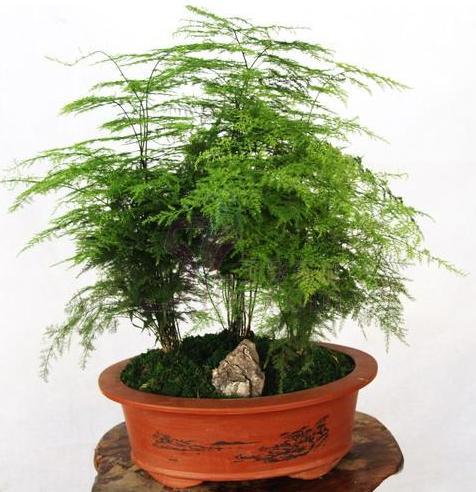
Asparagus fern has a very high demand for fertilizer. Generally, fertilizing is done throughout the four seasons. In spring, fertilize once a week; spring and autumn fertilizing are the same. In winter, we should fertilize less, about once a month, or once every fifteen days. If the asparagus fern is in its growing period, then it needs to be fertilized once a month. When it reaches the flowering stage, it does not need frequent fertilizing. Once the asparagus fern has taken shape, we no longer need to fertilize it.
The above are the cutting propagation methods for asparagus fern. The cutting method for asparagus fern is actually not very difficult; the main thing is pruning, where we need to be more careful, because good pruning will make the asparagus fern grow very well in the future, and the overall tree shape will also look very nice.